 Pin
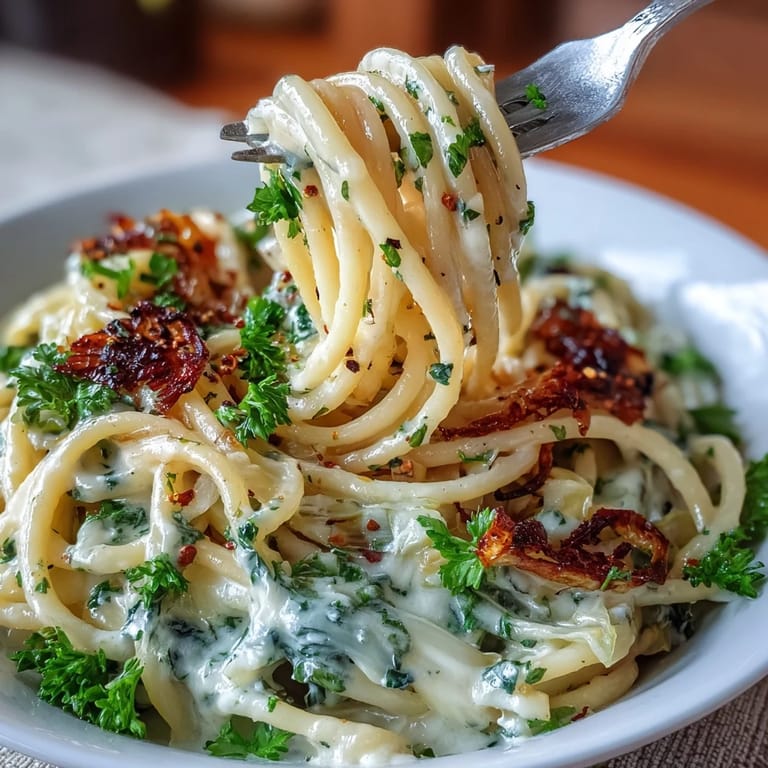
Pin There's something about the smell of cabbage turning golden in a hot skillet that makes me stop whatever I'm doing and just breathe it in. My neighbor Maria taught me this dish on a Tuesday afternoon when I showed up complaining that I'd grown tired of the same pasta rotation. She didn't fuss or apologize for the simplicity—she just pulled out a head of cabbage, sliced it thin, and let the magic happen slowly in butter and olive oil. By the time the garlic hit the pan, I understood why she'd been so confident.
I made this for my brother's unexpected visit last month, partly because I had half a cabbage sitting in my crisper drawer and no time for a real shopping trip. He sat at the counter watching the cabbage shrink down and turn caramel-colored, genuinely curious about whether this would actually be good. When he twirled that first forkful and tasted it, he went quiet for a second—the kind of quiet that means something landed right. He asked for the recipe before he left.
Ingredients
- Spaghetti or linguine (12 oz): Choose whatever pasta shape you have; thin shapes let the cabbage cling better, but thicker cuts work just fine.
- Green cabbage (1 medium head): Slice it as thin as you can manage because thin pieces caramelize faster and absorb all that garlicky flavor.
- Olive oil and unsalted butter (2 tablespoons each): The combination is the secret—oil keeps the heat right while butter adds richness that makes people ask if there's cream.
- Garlic cloves (4, thinly sliced): Slicing instead of mincing keeps pieces visible and prevents them from disappearing into the pasta.
- Crushed red pepper flakes (½ teaspoon, optional): Even if you're not usually a spicy person, just a whisper of heat balances the sweetness of the cabbage.
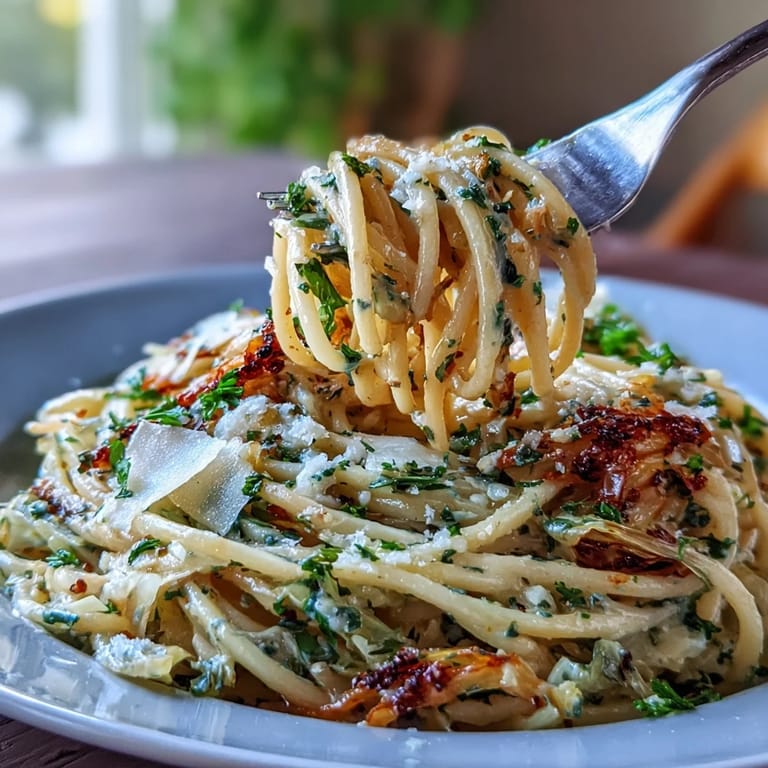
- Freshly grated Parmesan cheese (1 cup): Please grate it yourself—the pre-shredded stuff gets gummy and coats differently, and you'll notice the difference.
- Fresh parsley and lemon zest (optional): These aren't required but they bring brightness that makes the whole dish feel intentional rather than improvised.
Tired of Takeout? 🥡
Get 10 meals you can make faster than delivery arrives. Seriously.
One email. No spam. Unsubscribe anytime.
Instructions
- Get your pasta water ready:
- Fill a large pot with salted water—it should taste almost like the sea—and bring it to a rolling boil. This starchy water is your secret weapon later, so don't skip reserving a cup of it before you drain.
- Cook the pasta:
- Add pasta and stir occasionally so nothing sticks together. You want it al dente, which means it still has a tiny bit of resistance when you bite it, not soft all the way through.
- Start the cabbage magic:
- While the pasta cooks, heat oil and butter in a large skillet over medium heat. Once the butter foams, add your sliced cabbage and a pinch of salt, then let it sit for a minute before stirring.
- Let it caramelize slowly:
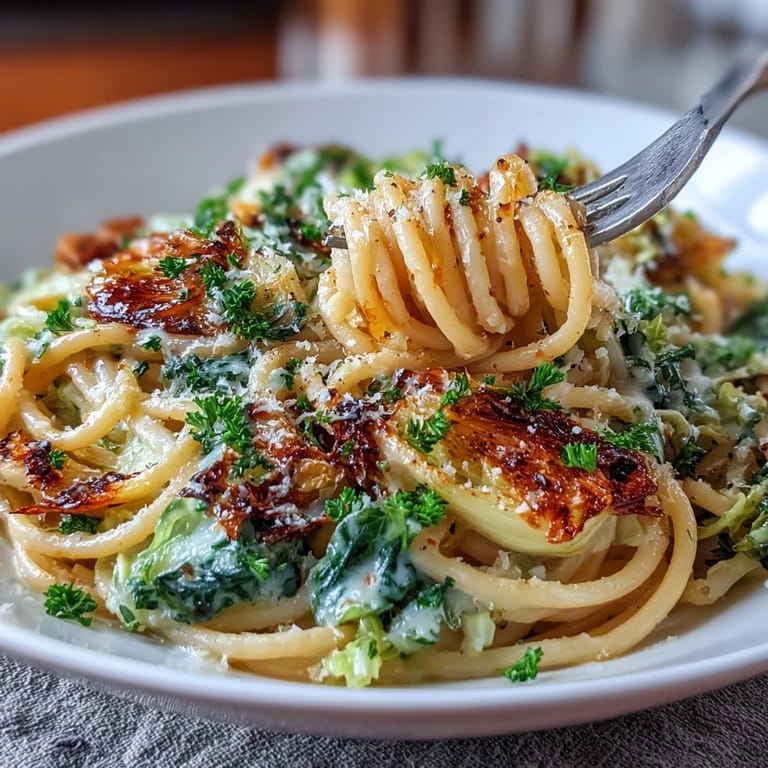
- Stir occasionally—every couple of minutes—and watch as the cabbage goes from pale green to golden to deep caramel-brown over about 12 to 15 minutes. The color is your cue that the sugar inside has turned sweet and the texture is getting tender.
- Wake up the garlic:
- Add your thin-sliced garlic and red pepper flakes if using. Cook just until fragrant, maybe 1 to 2 minutes—you're looking for aroma, not browning, because burnt garlic tastes bitter and ruins everything.
- Bring it all together:
- Add the drained pasta to the skillet and toss with tongs or a fork. Start adding reserved pasta water a little at a time until everything looks creamy and loose, not dry or stodgy.
- Finish with cheese and seasoning:
- Stir in your grated Parmesan and black pepper, taste a bite, and adjust salt and pepper as needed. The pasta water starch plus the cheese creates a gentle sauce that coats everything.
- Plate and garnish:
- Serve immediately in warm bowls, scatter parsley on top if you have it, maybe a whisper of lemon zest, and extra Parmesan for anyone who wants it.
 Pin
Pin This became my go-to dish during a particularly long winter when I was working from home and needed something that felt nourishing without being heavy. I made it so many times that my kitchen still smells like caramelized cabbage some mornings, and honestly, I never mind.
Why This Works as a Weeknight Dinner
There's comfort in how straightforward this tastes despite feeling like you put in effort. The cabbage handles the entire flavor profile—it's sweet, it's savory, it's substantial enough that you don't need meat—and it all comes together while you're boiling water. This is the kind of dish that taught me that simple ingredients treated with patience create something way more memorable than fussy cooking ever could.
Making It Your Own
Once you understand how this works, the variations practically suggest themselves. I've added a splash of white wine to the skillet for brightness, tossed in toasted breadcrumbs for someone who needed texture, and even stirred in a handful of crispy pancetta for a friend who needed that smoke and salt. Each version still tastes like the original because the cabbage and garlic and Parmesan are holding everything together.
Storage and Next Time
Leftovers keep in the fridge for a couple of days, though the texture changes slightly as everything settles together—it's still delicious, just needs a splash of water and a minute in a warm pan to come back to life. I've also made this with red cabbage on nights when I wanted something visually different, and it works beautifully with a slightly nuttier flavor profile.
- For extra richness, stir in another tablespoon of butter right before serving—it sounds indulgent but changes everything.
- Toasted walnuts or breadcrumbs add a crunch that makes people think you planned this dish instead of improvising it.
- A squeeze of fresh lemon juice at the very end brightens everything and makes the cabbage taste more alive.
 Pin
Pin This recipe became proof that the most satisfying meals don't require a long ingredient list or special techniques—just good timing and ingredients treated with respect. Make it tonight and you'll understand why I keep coming back to it.
Recipe Questions
- → Can I use a different type of pasta?
Yes, any long pasta like fettuccine, pappardelle, or even short pasta like penne works well. Just adjust cooking time according to package directions.
- → How do I know when the cabbage is properly caramelized?
The cabbage should be golden brown, significantly reduced in volume, and tender with sweet, deep flavor. This typically takes 12-15 minutes over medium heat.
- → Can I make this dish ahead of time?
While best served fresh, you can prepare the caramelized cabbage in advance and refrigerate. Reheat gently and toss with freshly cooked pasta when ready to serve.
- → What can I substitute for Parmesan cheese?
Pecorino Romano offers a sharper, saltier flavor, while Grana Padano is milder. For dairy-free options, use nutritional yeast or vegan Parmesan alternatives.
- → How can I add more protein to this dish?
Top with grilled chicken, crispy pancetta, white beans, or chickpeas. You can also add a fried egg on top for extra richness and protein.
- → Why should I reserve pasta water?
Pasta water contains starch that helps create a silky sauce and helps the ingredients bind together. Add it gradually until you reach your desired consistency.