 Pin
Pin I'll never forget the first time I created a Holly Berry Cluster for my sister's winter wedding shower. I was standing in her kitchen on a crisp December afternoon, surrounded by baskets of the most vibrant berries I could find at the farmers market, fresh herbs still glistening with morning dew. As I arranged those ruby-red currants and raspberries among the sprigs of rosemary and mint, something magical happened—the platter transformed into this living, breathing centerpiece that looked like it had sprung straight from a winter garden. That's when I realized this wasn't just food; it was edible art that whispered elegance without demanding hours in the kitchen.
I remember serving this for the first time at a holiday cocktail party, watching as guests circled the platter like it was the main event of the evening. Someone asked if I'd ordered it from a fancy caterer, and I had to laugh—I'd made it in my own kitchen while still wearing my weekend sweats. The confidence boost from that moment alone was worth every raspberry I carefully arranged.
Ingredients
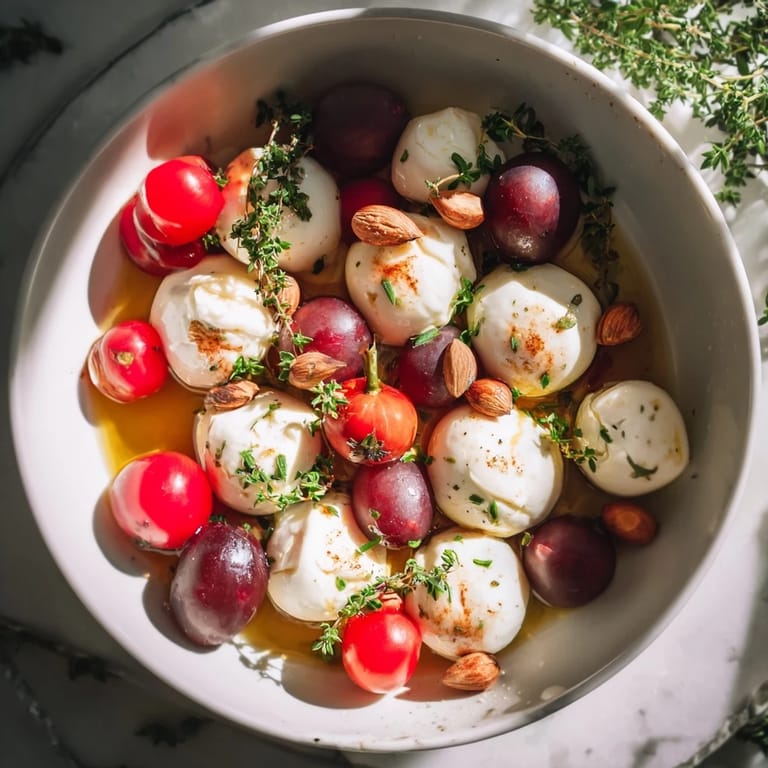
- Fresh red currants: These tiny jewels are the heart of the holly theme. If you can't find them, pomegranate arils or even tart red grapes work beautifully—the key is choosing berries that are plump, glossy, and deeply colored. I learned the hard way that watery berries will bruise easily, so handle them like precious gems.
- Cherry tomatoes: Choose the smallest, roundest ones you can find. Those tiny ones that feel slightly warm from the store shelf are absolute perfection. They add a savory surprise among the sweet berries and help balance the overall flavor profile.
- Raspberries: These must be firm and unblemished because they're so delicate. A soft raspberry can ruin your whole visual moment, so inspect each one. I always buy a few extra in case any have hidden damage.
- Fresh Italian parsley, rosemary, thyme, and mint: These aren't just garnish—they're the green foliage that makes your berry clusters pop. Buy them with stems intact and use the fullest, most fragrant bunches you can find. The aroma of fresh herbs is half the magic of this platter.
- Soft goat cheese: The tang of goat cheese against the sweetness of berries creates an incredible flavor balance. Rolling it into small balls takes a little practice, but it's worth the effort. A cold teaspoon helps—dip it in warm water between scoops for easier shaping.
- Fresh mozzarella pearls: These creamy little bites add richness and elegance. If you can't find pearls, tear fresh mozzarella into small pieces. Keep them separate from any moisture until the very last moment before serving.
- Marcona almonds or toasted walnuts: This adds a gentle crunch and richness. Toasting your own walnuts makes a real difference in flavor, but quality store-bought versions work just fine if you're short on time.
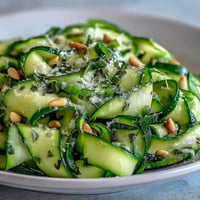
- Seedless cucumber: Slice these paper-thin for delicate layering. A mandoline makes this easier, but a sharp knife and a steady hand work beautifully too. These cool, refreshing rounds balance the richness of the cheese.
- Extra virgin olive oil: The quality here matters because it's one of the few flavors you'll really taste. Choose one with a robust flavor you genuinely enjoy.
- Flaky sea salt and freshly ground black pepper: These simple seasonings become essential when everything else is raw and unseasoned. The flakiness of sea salt catches the light and adds visual texture too.
Tired of Takeout? 🥡
Get 10 meals you can make faster than delivery arrives. Seriously.
One email. No spam. Unsubscribe anytime.
Instructions
- Prepare your ingredients like you're getting ready for something special:
- Wash everything under cool running water and pat it all dry with paper towels or a clean kitchen towel. This step feels simple, but moisture on berries and herbs is the enemy—it causes wilting and makes everything look sad within an hour. I learned this the hard way after my first platter started drooping mid-party. Take your time here; gently inspect each berry for any hidden bruises and discard anything that doesn't look absolutely perfect. Slice your cucumbers into those impossibly thin rounds—about 2 mm thick—using a sharp knife or mandoline. If you're working with goat cheese, use a cold teaspoon to scoop small portions, then roll them gently between your palms into bite-sized balls. Everything should look fresh and pristine at this stage.
- Choose your stage, also known as your platter:
- Select a large serving platter or rustic wooden board, ideally 12 to 14 inches in diameter. This isn't just about size—the background color of your platter matters. A neutral surface, whether it's white ceramic, natural wood, or soft gray, creates the perfect canvas for those vibrant reds and greens. Wipe it clean and dry completely. You want zero distractions so the berries and herbs become the main attraction.
- Create your green foundation like you're painting a landscape:
- Start by arranging your herb sprigs across the platter in loose, organic clusters. Don't overthink this—nature isn't symmetrical, so neither should your arrangement be. Place longer rosemary and parsley sprigs around the outer edges, letting them cascade slightly over the rim for abundance. Tuck shorter mint and thyme sprigs into the gaps, creating layers and depth. Aim to cover about 50 percent of the platter surface, leaving intentional gaps where your berries will nestle. Think of this step as creating a lush, garden-like bed. The herbs should smell absolutely incredible at this point—that's how you know you've done it right.
- Cluster your berries like nature intended:
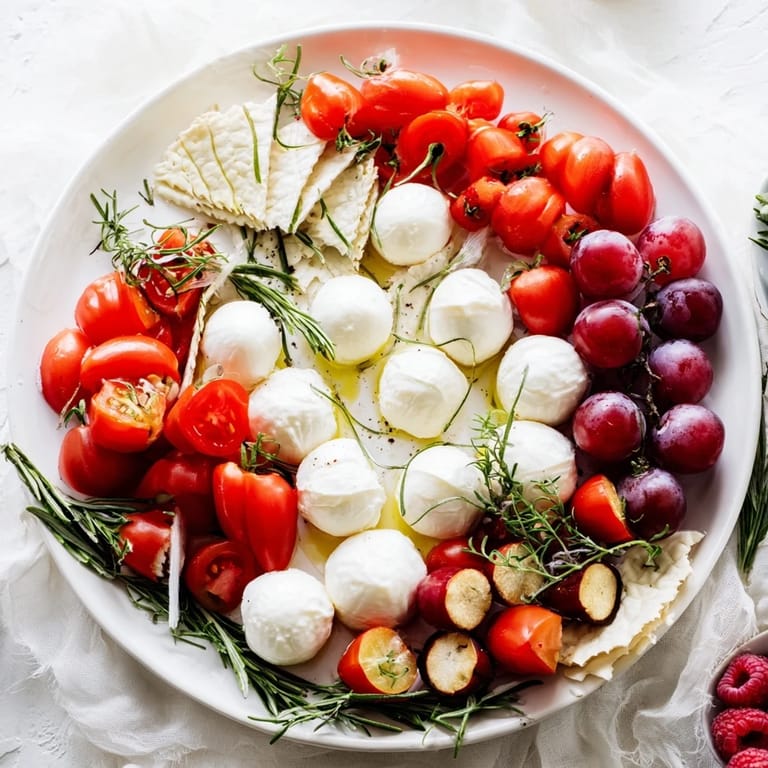
- This is where your platter comes alive. In tight, organic groupings, nestle your red currants, cherry tomatoes, and raspberries among the herbs. Don't scatter them evenly—create clusters that feel like they grew that way. Some clusters should be dense and tightly packed, while others are looser and more open. This variation is what makes it look natural and intentional rather than random. Press berries gently into the herb bed to anchor them so they don't roll around. Make sure each red cluster is distinctly bordered by green herbs so the color contrast pops. This is the most important visual moment of the platter—take your time and step back frequently to see how it's looking.
- Tuck in your cheese and accompaniments like you're adding the finishing details:
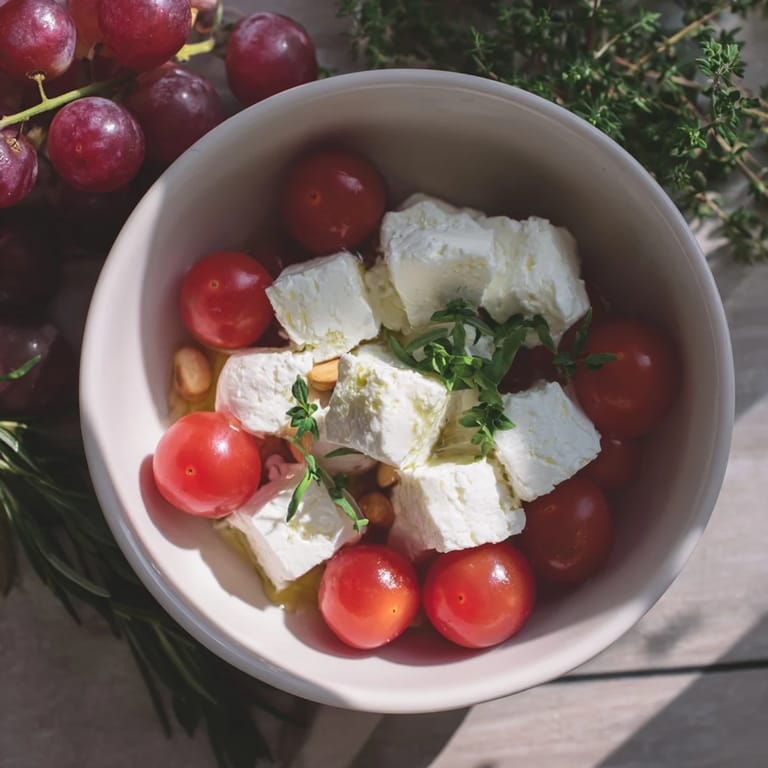
- Place your mozzarella pearls and goat cheese balls in small groupings near your berry clusters, treating them as secondary accents that complement rather than compete with the red-and-green theme. Scatter nuts and cucumber slices in natural-looking piles, avoiding any hint of symmetry or careful arrangement. Drizzle a thin, elegant stream of olive oil over the cheese—not over the berries, which would make them slick and sad-looking. Finish with a light sprinkle of flaky sea salt and freshly ground black pepper, focusing especially on the cheese where you'll actually taste it. The cheese should look creamy and glossy, never over-handled or smudged.
- Do your final sensory check and adjustments:
- Step back and look at your creation from a few feet away. Does it look lush, abundant, and organic? Or does it feel stiff and overly geometric? Make adjustments—add more herbs where things feel sparse, push clusters closer together if there are too many gaps, emphasize the holly effect by grouping berries in slightly denser clusters. Take a deep breath and inhale—you should smell fresh, fragrant herbs and sweet, ripe berries. If anything smells off or looks bruised, remove it. Wipe any smudges or stray olive oil from the platter's rim for a clean, polished finish. Then serve immediately to capture those berries and herbs at their absolute peak of freshness.
 Pin
Pin What struck me most about creating this platter was how it transformed the mood of every gathering where I served it. It became more than just an appetizer—it was a conversation starter, a centerpiece that made people slow down and appreciate beautiful, simple food. I watched guests reach for a raspberry or a piece of cheese, and then pause to take a photo or simply admire the arrangement before eating. That's when food becomes memory.
Variations That Work Beautifully
The wonderful thing about this platter is its flexibility. If you can't find red currants, pomegranate arils create the same jewel-like effect and add a different texture with their slight tartness. Fresh cranberries, while firmer and less juicy, also work if you can find them outside of the typical holiday season. Red grapes are your reliable backup—just choose the smallest, most deeply colored ones you can find. For the herbs, feel free to swap based on what's fresh and available. Dill, chives, or even young oregano shoots can replace some of the suggested herbs. The color scheme is really what matters—you want plenty of deep green foliage to contrast with those brilliant reds. For a dairy-free version, skip the cheese altogether or use a high-quality vegan cheese alternative. The platter stands beautifully on its own with just berries, herbs, nuts, and cucumber. I've even made versions with roasted red peppers added to the mix for a slightly deeper, more savory note.
The Art of Platter Presentation
Over the years, I've discovered that presentation is about more than just making things look pretty—it's about making your guests feel celebrated. When you set down a platter that looks like it belongs in a magazine, you're essentially saying, 'You're worth the effort.' There's something deeply comforting about that gesture. The layered, organic arrangement of this Holly Berry Cluster does exactly that. It looks intentional and impressive, yet approachable enough that guests feel comfortable reaching for food without feeling like they're ruining a work of art. The mix of textures—soft berries, creamy cheese, crisp cucumber, crunchy nuts—means there's something for every preference. And the balance of flavors, with sweet berries, tangy cheese, aromatic herbs, and savory tomatoes, keeps people coming back for more.
Timing and Temperature Mastery
The best kept secret about appetizer platters is that temperature management is everything. All your components should be cool but not ice-cold when you assemble them—berries straight from the refrigerator can sweat as they come to room temperature, which is exactly what you don't want. I've found that taking ingredients out about 20 minutes before assembly is ideal. The cheese should be cool enough to hold its shape but not so cold that it feels stiff or loses its creamy appeal. If you're serving this platter at an outdoor gathering or party, keep it in a cool location until the last possible moment, and never leave it unrefrigerated for more than 2 hours—especially in warm weather. The herbs will hold up best in a cool room, away from direct sunlight. Here are a few final thoughts to keep in mind:
- Check your platter once during serving and make small adjustments if anything looks wilted or deflated—a quick herb refresh in a key spot can revive the whole arrangement.
- If you're making this for a larger gathering, create two or three smaller platters instead of one massive one. Smaller platters are easier to replenish and look fresher throughout the party.
- Keep your assembled platter visible and accessible so guests don't feel like they're sneaking bites from a precious art installation—this is meant to be enjoyed, not just admired.
 Pin
Pin There's something magical about a platter that requires no cooking, minimal skill, and maximum impact. This Holly Berry Cluster has become my go-to for any occasion where I want to impress without stress. Make it your own, trust your instincts when arranging, and remember that a platter made with genuine care and fresh ingredients will always be beautiful.
Recipe Questions
- → How can I keep the berries fresh longer?
Wash and dry berries thoroughly before arranging to reduce moisture. Assemble just before serving and keep refrigerated until ready to serve.
- → Can I substitute the herbs for others?
Yes, aromatic herbs like basil or oregano can be used, but for a traditional look, rosemary, parsley, mint, and thyme provide the best contrast and fragrance.
- → What cheeses pair well with the berry clusters?
Soft cheeses such as goat cheese and fresh mozzarella pearls complement the tartness of the berries with creamy textures and mild flavors.
- → Are nuts necessary in the arrangement?
Nuts add a crunchy texture contrast but can be omitted or substituted with seeds for dietary preferences.
- → How should I prepare the cucumber slices?
Slice cucumbers very thinly (about 2 mm thick) to layer delicately and add a fresh, crisp bite without overpowering other elements.