 Pin
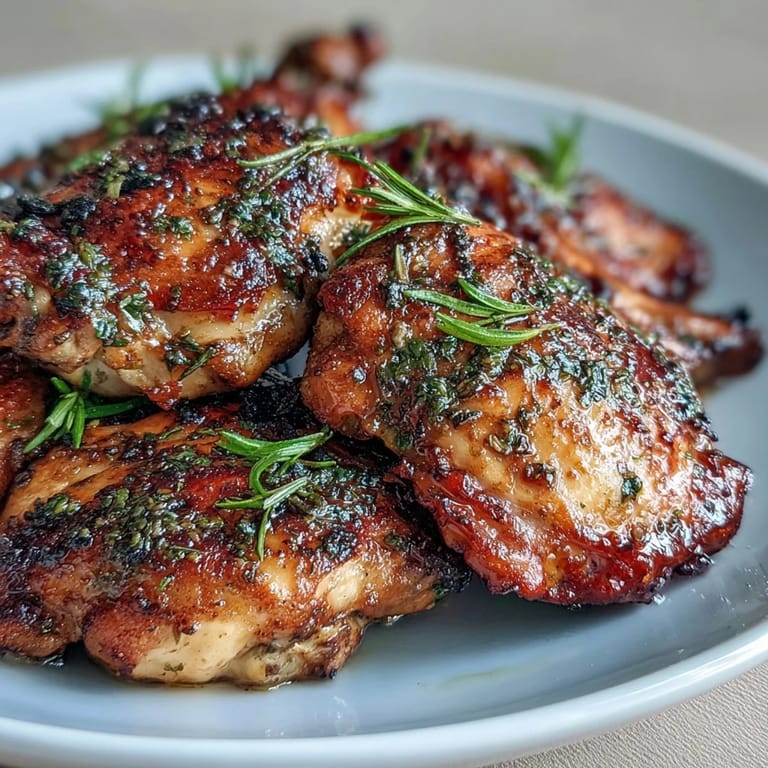
Pin My neighbor handed me a bunch of fresh herbs from her garden one April afternoon, and I suddenly had to prove I knew what to do with them. That's when this lemon herb roasted chicken came together almost by accident—layers of rosemary, thyme, and bright citrus that filled the kitchen with a smell so good it stopped everyone mid-conversation. The potatoes turned golden and crispy around the bird, soaking up every drop of flavor, and somehow the whole thing felt both simple and special at once.
I made this for my sister's birthday dinner when she was visiting in late spring, and I'll never forget how she closed her eyes after the first bite, just taking in the lemon and herbs. The table got quieter than usual—that good kind of quiet where everyone's too focused on eating to talk much. Watching people genuinely enjoy something you've made has a way of making you feel like you've done something right.
Ingredients
- 1 whole chicken (about 4 lbs / 1.8 kg), giblets removed: Pat it completely dry before you start—this is the secret to crispy, golden skin that crackles when you carve it.
- 2 tablespoons olive oil: Use extra virgin for rubbing the chicken; the flavor matters here since it's going on the skin.
- 1 teaspoon sea salt: Don't skip seasoning the chicken itself, not just the marinade, or you'll miss layers of flavor.
- ½ teaspoon freshly ground black pepper: Fresh pepper makes a noticeable difference—the pre-ground stuff tends to taste dusty by comparison.
- 2 lemons (1 zested and juiced, 1 sliced): One lemon becomes bright, punchy flavor in the marinade; the other goes inside the bird and perfumes it from within.
- 4 garlic cloves, minced: Don't use a press; mince them by hand so they stay in distinct pieces throughout the roasting.
- 2 tablespoons fresh rosemary, chopped: Tear it by hand rather than chopping to release its oils without bruising the delicate herb.
- 2 tablespoons fresh thyme, chopped: The small leaves pack serious flavor, so fresh thyme is worth seeking out at the farmer's market.
- 1 tablespoon fresh parsley, chopped: This brightens the finished dish and adds freshness that the woody herbs alone can't quite achieve.
- 2 lbs (900 g) baby potatoes, halved: Halving them ensures they cook through at the same pace as the chicken—a lesson learned after serving crunchy potatoes once.
- 1 large yellow onion, cut into wedges: The natural sugars caramelize in the high heat and add subtle sweetness that balances the herbiness.
- 2 tablespoons olive oil: Toss the vegetables generously; they need enough oil to turn golden and crispy, not just roasted.
- 1 teaspoon salt: Salt the vegetables separately from the chicken so each component gets proper seasoning.
- ½ teaspoon pepper: A light hand here; the herbs and lemon provide plenty of complexity already.
- Extra fresh parsley, chopped: Save this for the end to add a fresh pop of color and taste that roasting softens.
- Lemon wedges: Serve alongside so people can squeeze more brightness onto their plate if they want it.
Tired of Takeout? 🥡
Get 10 meals you can make faster than delivery arrives. Seriously.
One email. No spam. Unsubscribe anytime.
Instructions
- Heat your oven and gather your aromatics:
- Set the oven to 425°F (220°C) and let it fully preheat while you prepare the marinade. In a small bowl, whisk together the olive oil, lemon zest, lemon juice, minced garlic, rosemary, thyme, parsley, salt, and pepper until it looks like a loose paste with visible herb flecks throughout.
- Prepare the chicken for transformation:
- Pull the chicken from its packaging and pat the entire surface dry with paper towels—moisture is the enemy of crispy skin. Work the marinade under the skin where you can reach it, then rub the rest all over the outside, getting into every crevice and making sure the legs and wings get plenty of attention.
- Create an aromatic cavity:
- Stuff the chicken's cavity with the lemon slices and any extra herb sprigs you have lying around. This perfumes the bird from the inside out and keeps everything moist as it roasts.
- Arrange your vegetables for success:
- In a large roasting pan, toss the halved potatoes and onion wedges with olive oil, salt, and pepper until every piece glistens. Spread them in a single layer where they'll have room to brown rather than steam.
- Position the bird:
- Nestle the chicken breast side up on top of the vegetables and tie the legs together with kitchen twine so they cook evenly. The potatoes underneath will catch all the drippings and turn into liquid gold.
- Roast until everything is golden:
- Slide the pan into the oven and roast for 65–75 minutes, checking occasionally that nothing's burning on the bottom. The chicken is done when the juices run clear from the thigh and a thermometer reads 165°F (74°C) at the thickest part.
- Rest and serve with care:
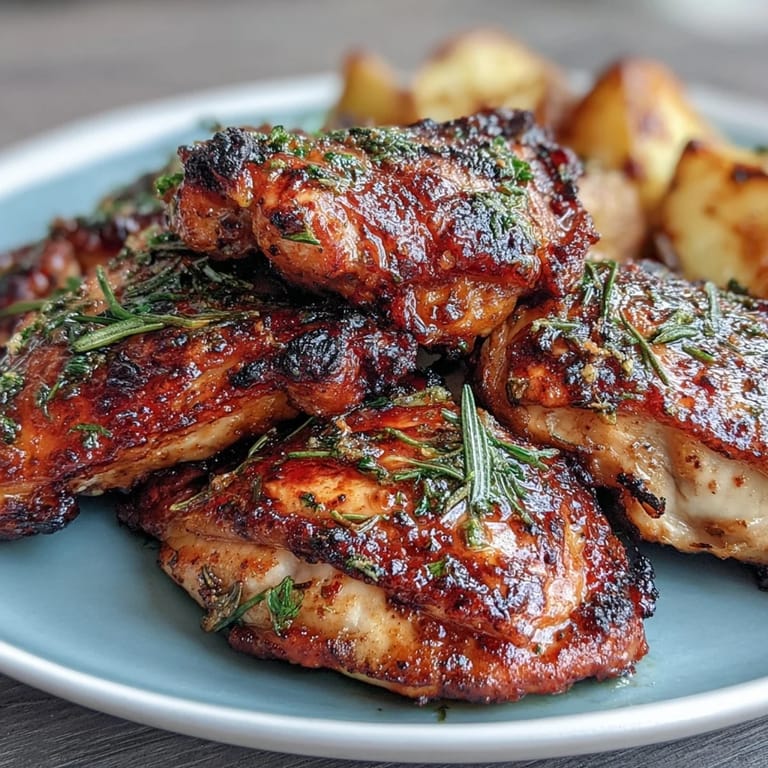
- Remove the pan from the oven and let the chicken rest for 10 minutes before carving—this keeps the meat juicy instead of letting all those flavorful juices run out onto the board. Arrange everything on a platter, scatter fresh parsley over top, and set out lemon wedges for people to add brightness as they wish.
 Pin
Pin There was something almost ceremonial about pulling that pan from the oven, steam rising and the smell hitting you like a warm hug. My partner stood at the kitchen entry just breathing it in before I'd even set the pan down, and I knew right then this was one of those meals that would stick in memory longer than most.
The Magic of Fresh Herbs
Using fresh herbs instead of dried isn't just about flavor—it's about the whole experience of cooking. When you chop rosemary and thyme with your hands, you're releasing their essential oils, filling your kitchen with an herbal perfume that sets the mood before anyone's even sat down to eat. Dried herbs work in a pinch, but they fade during the long roast and taste dusty rather than vibrant, so this is genuinely one of those recipes where fresh makes the difference.
Timing and Temperature Matters
I used to guess at when the chicken was done until I finally invested in a meat thermometer, and it completely changed my confidence in the kitchen. The 165°F (74°C) mark is where the thigh—the last part to cook through—reaches perfect safety without being dry. Starting at 425°F (220°C) gives you that gorgeous golden exterior while the slower cooking of the enclosed oven gently cooks the inside, so you get the best of both worlds.
Variations and Flexibility
This recipe practically begs for improvisation once you understand the basic framework. Root vegetables like carrots, parsnips, and beets all roast beautifully in the same pan, and you can swap or add to the herb mixture depending on what's in your garden or what you're craving. The technique stays the same—it's the details that let you make it yours.
- Marinating the chicken for up to 12 hours in the refrigerator deepens the herb flavor into something almost profound, though 20 minutes of prep time works fine too.
- Pair this with a crisp Sauvignon Blanc or Chardonnay to echo the lemon and herb notes—it's one of those meals where the wine conversation is part of the enjoyment.
- Leftover chicken shreds beautifully into salads or sandwiches, and the roasted potatoes are even better cold the next day with a bit of vinaigrette.
 Pin
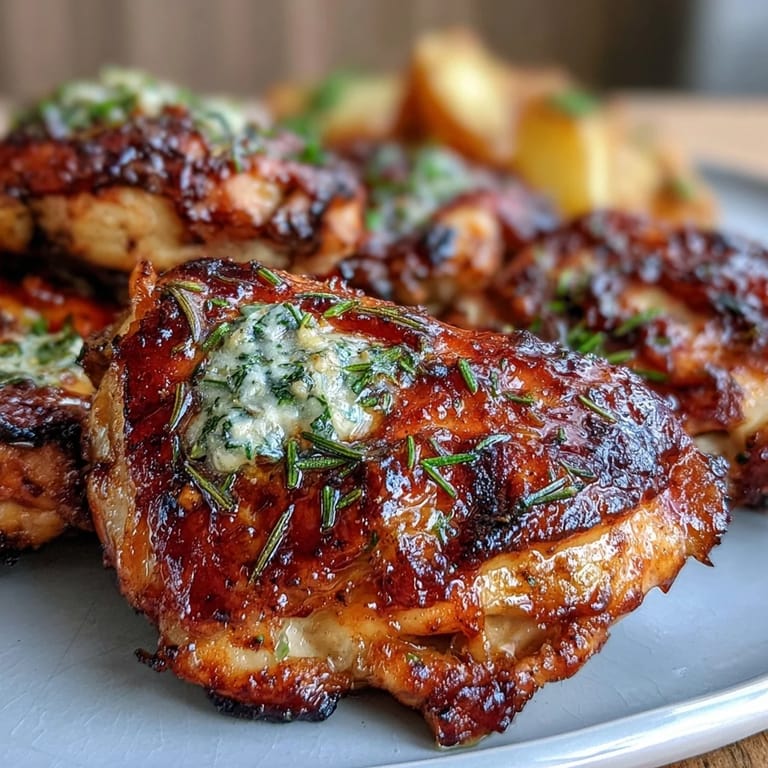
Pin This dish has become my answer to the question of what to cook when I want people to feel genuinely welcomed and cared for. There's something about roasted chicken that says home, and when you layer it with these bright, herbaceous flavors, it says something more—it says you thought about it, you used good ingredients, and you wanted to make something that mattered.
Recipe Questions
- → How do I ensure the chicken stays juicy?
Marinating the chicken with olive oil, lemon juice, and herbs before roasting helps retain moisture. Also, letting the chicken rest after cooking allows juices to redistribute.
- → Can I add other vegetables besides potatoes?
Yes, carrots or parsnips can be added alongside potatoes for variety and complementary flavors.
- → What is the best way to cook evenly?
Tying the chicken legs together with kitchen twine promotes even cooking by helping maintain shape and heat distribution.
- → How do the herbs influence the flavor?
Fresh rosemary, thyme, and parsley infuse the chicken and potatoes with aromatic, earthy, and slightly piney notes, balancing the zesty lemon.
- → What should I look for to confirm the chicken is done?
The juices should run clear when pierced, and a meat thermometer inserted into the thigh should read 165°F (74°C).