 Pin
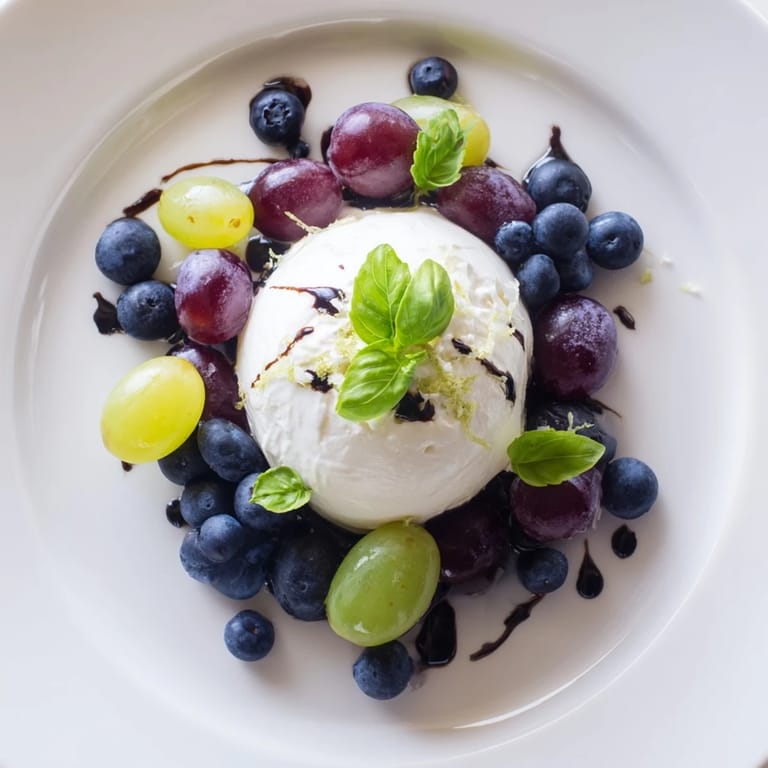
Pin There's something about the way burrata catches the light that made me want to build a whole dish around it. A friend brought this impossibly creamy cheese to a dinner party one summer evening, and I found myself arranging blueberries and grapes in careful circles around it, almost without thinking. The colors reminded me of twilight reflecting off water—deep purples and whites, with that shimmer of something indulgent in the middle. That moment of play in the kitchen, treating food like art, turned into this salad I keep coming back to.
I made this for a potluck once where everyone else brought heavy casseroles and pasta salads drowning in mayo. Setting down this bright, delicate plate felt like a small rebellion. A woman I'd never met before asked for the recipe immediately, then told me it reminded her of a meal she'd had on a Mediterranean vacation years ago. That's when I realized this salad does something most dishes can't—it triggers genuine joy, not just hunger.
Ingredients
- Fresh blueberries: A cup of them, still cold from the fridge if you can manage it, because the temperature contrast with the warm basil is exactly what makes this interesting.
- Seedless purple grapes, halved: They release a little juice when you cut them, which mingles with the glaze—this is not a flaw, it's the entire point.
- Burrata cheese: Buy it the day you're making this if possible; older burrata gets dense and loses that cloud-like center that makes people go quiet when they eat it.
- Fresh basil leaves, torn: Never cut basil with a knife—it bruises and turns dark. Tear it with your hands and add it at the last moment so it stays bright and fragrant.
- Baby arugula or mixed greens: This is optional but worth including; it gives you something green to ground all that purple, and adds a gentle peppery note.
- Extra-virgin olive oil: The best bottle you have, because there's nowhere for mediocre oil to hide when you're only using three other ingredients.
- Balsamic glaze: The thickened kind that comes in a bottle, not regular balsamic vinegar—the difference is everything.
- Sea salt and freshly ground black pepper: Taste as you go; salt brings out the sweetness in the fruit in unexpected ways.
- Lemon zest: Just the yellow part, never the white; it adds brightness without the sharp acid.
Tired of Takeout? 🥡
Get 10 meals you can make faster than delivery arrives. Seriously.
One email. No spam. Unsubscribe anytime.
Instructions
- Set your stage:
- If you're using greens, spread them gently across a wide, shallow bowl or platter—the kind you'd feel proud to set on a table. This isn't just technique; it changes how people perceive the dish.
- Build your ring of fruit:
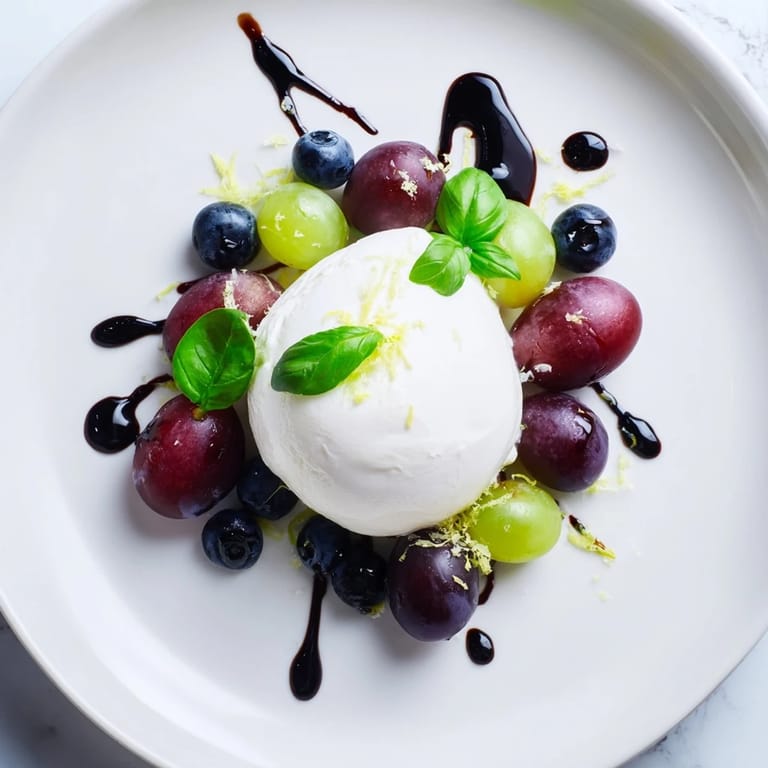
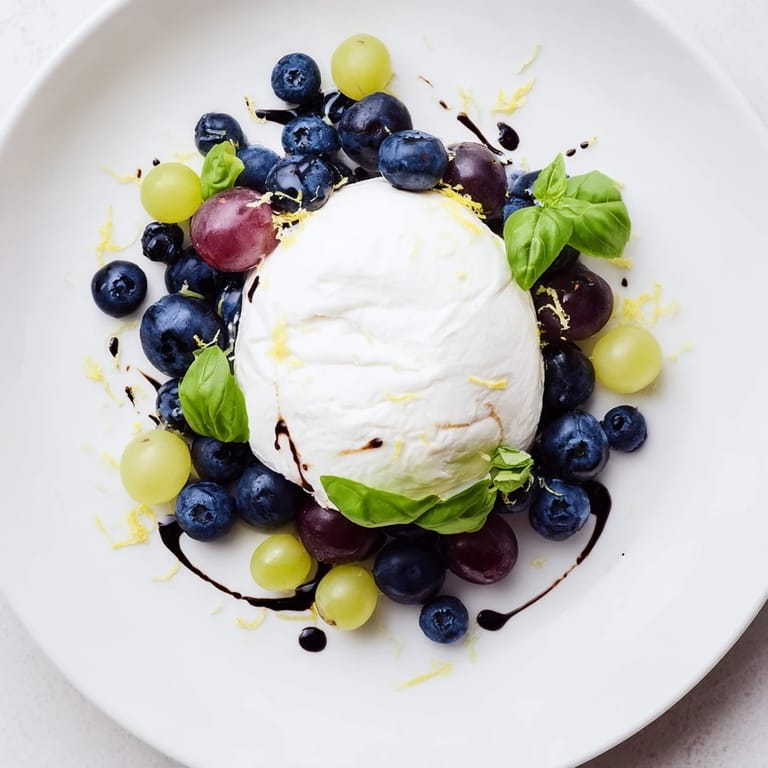
- Scatter the blueberries and halved grapes in a generous circle around the edge, leaving the center empty like you're mapping the sky. This takes about two minutes and it's meditative—no rushing.
- Crown it with burrata:
- Place the whole ball of burrata right in the center, where it becomes the focal point. Don't cut into it yet; let people do that themselves so they experience that first moment of it breaking open.
- Anoint with oil:
- Drizzle the olive oil in a thin, even stream over everything—not just the cheese, but the fruit too. You'll hear it hit the plate with a soft sound that feels almost ceremonial.
- Add the glaze:
- Spoon the balsamic in thin streams across the berries and over the top of the burrata in a loose pattern. Some will pool in little pockets; that's where the magic lives when someone cuts into the cheese.
- Finish and serve:
- Tear the basil leaves and scatter them across everything, then add lemon zest, a pinch of salt, and a few cracks of black pepper. Serve immediately, while the cheese is still cool and the basil still smells like summer.
 Pin
Pin I served this to my mother on a Sunday afternoon when she was going through a rough patch, and she ate it so slowly, so mindfully, that I could tell the salad was doing something beyond nutrition. Food can be complicated sometimes, but this one reminded us both that simple, beautiful things matter just as much.
Why Presentation Is Half the Battle
The name 'Moonlit Lagoon' isn't just poetic language—it's a reminder that how you arrange food changes how people experience it. When you take two minutes to think about the circle of fruit and the centered burrata, you're creating a moment of pause before the eating even begins. I've watched people sit with this salad for longer than they normally would, actually looking at it. That pause, that appreciation—it's worth those extra two minutes.
Playing with the Formula
The beautiful thing about this salad is how flexible it actually is, despite its specific vision. Your blueberries can become blackberries; your purple grapes can swap with red ones if that's what your market has on a particular day. Once I added candied walnuts because I had them open on the counter, and honestly, the crunch changed everything. The core idea—cool fruit, creamy cheese, sharp glaze, fresh herb—that stays true. Everything else is negotiable.
The Small Moments That Make Food Memorable
What I've learned from making this salad repeatedly is that the actual cooking time doesn't matter nearly as much as the attention you pay. It's the sound of the olive oil hitting the plate. It's noticing when the basil switches from green to damaged, and waiting to add it until the very last second. It's remembering that your guests are about to experience this cold, creamy, slightly sweet thing on their tongue, and letting that anticipation guide your hands.
- Chill your plates in the freezer for five minutes before assembling if you really want to extend that cool, refreshing moment.
- Use a mandoline or vegetable peeler to create thin ribbons of lemon zest instead of using a microplane—the difference in presentation is striking.
- If you're making this ahead for a picnic, pack the components separately and assemble at the destination while everything's still cold.
 Pin
Pin This salad taught me that elegance doesn't require complexity, just intention. Make it when you want to feel like you're giving someone a small gift, because that's essentially what you're doing.
Recipe Questions
- → What cheese pairs well with blueberries and grapes?
Burrata cheese is ideal for combining creamy texture with fresh fruits like blueberries and grapes, enhancing both flavor and visual appeal.
- → Can I substitute the basil in this salad?
Yes, fresh mint or tarragon can be used as alternatives to basil for a different herbal note that still complements the fruits.
- → How should the balsamic glaze be applied?
Drizzle the balsamic glaze thinly over the berries and cheese to add a sweet tang that enhances the salad without overpowering it.
- → Is it necessary to use arugula or mixed greens?
While optional, the greens provide a fresh, slightly peppery base that balances the richness of the burrata and sweetness of the fruit.
- → What wine pairs best with this salad?
A crisp Sauvignon Blanc or a dry rosé complements the fresh fruit and creamy cheese, elevating the meal experience.