 Pin
Pin Last summer, I was stuck at my desk when the smell of fresh mint wafted through an open window, and suddenly all I could think about was something bright and alive on a plate. That afternoon, I threw together this pasta salad without much of a plan—just whatever spring vegetables were lurking in my crisper drawer and a lemon I'd been meaning to use. One bite and I understood why it became the dish everyone asked me to bring to gatherings. It's the kind of food that tastes like relief on a warm day.
I made this for a picnic once where I'd massively underestimated how hungry six people could be, and somehow this single bowl fed everyone without looking sad or sparse. Someone asked for the recipe right there on a blanket, scribbling it on the back of a napkin, and I realized it was the kind of dish that travels well and doesn't apologize for being simple.
Ingredients
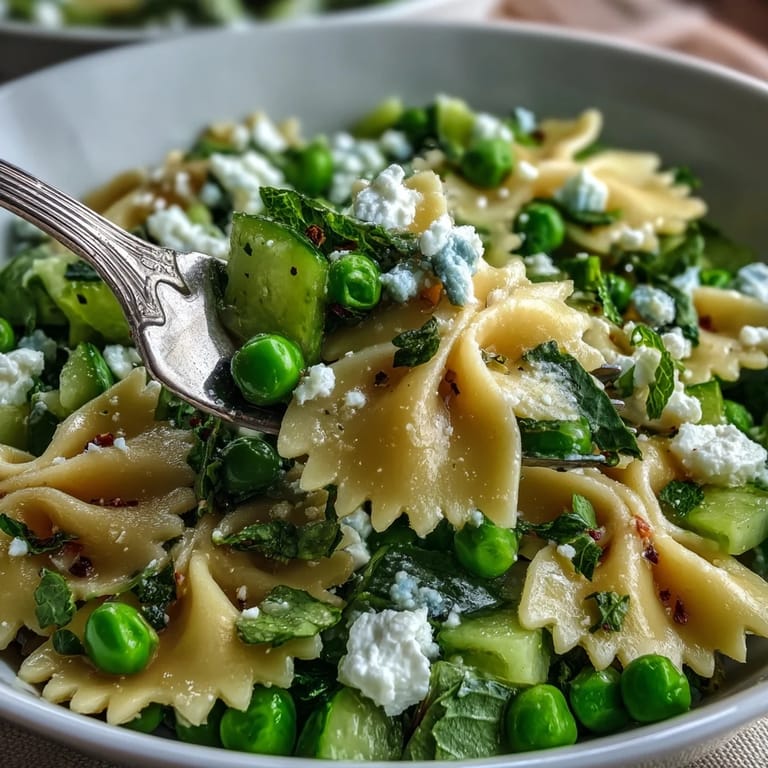
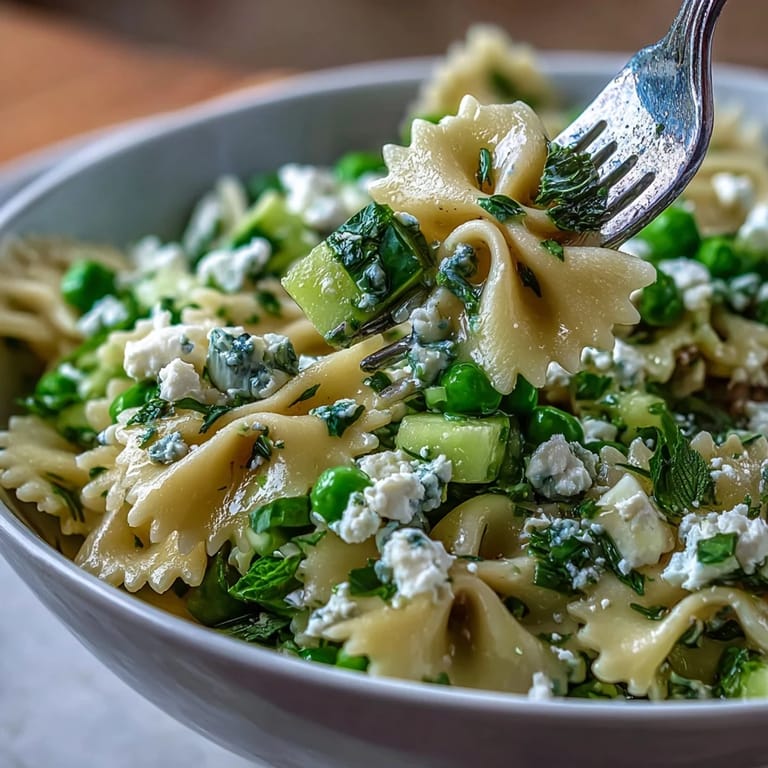
- Small pasta (250 g): Farfalle, orecchiette, or penne work best because their shapes actually catch the vinaigrette instead of letting it pool at the bottom of the bowl.
- Fresh or frozen peas (1 cup): Frozen peas are honestly just as good here—there's no shame in that shortcut, and they thaw perfectly when tossed with hot pasta.
- Cucumber (1 small, diced): Choose one that feels firm and has thin skin so you don't have to peel it, keeping all that crisp freshness intact.
- Spring onions (3, thinly sliced): Don't waste the green tops—they add a gentle onion whisper that white parts alone can't deliver.
- Fresh mint (1/3 cup): Pick leaves that smell like green dreams, and tear them by hand right before tossing so they stay tender and fragrant.
- Fresh flat-leaf parsley (1/4 cup): This is the quiet helper that makes the mint sing without stealing the spotlight.
- Feta cheese (50 g, optional): A salty crumble of feta turns this from side dish into something you actually want for lunch, but it's genuinely optional if dairy isn't your thing.
- Lemon (zested and juiced): Use a fine microplane for the zest so you catch all those bright oils, and choose a lemon that feels heavy for its size—that's where the juice lives.
- Extra-virgin olive oil (3 tbsp): This is where the vinaigrette gets its silky soul, so don't skimp or substitute with regular oil.
- Dijon mustard (1 tsp): This tiny amount acts like a charm, helping everything emulsify without any fussiness.
- Honey or maple syrup (1 tsp): A whisper of sweetness balances the lemon's sharpness and makes the whole thing feel rounded.
- Garlic clove (1 small, minced): Mince it as fine as you can manage so it dissolves into the dressing instead of hitting you with a raw bite.
Tired of Takeout? 🥡
Get 10 meals you can make faster than delivery arrives. Seriously.
One email. No spam. Unsubscribe anytime.
Instructions
- Boil the pasta and peas together:
- Bring a pot of salted water to a rolling boil and add your pasta, cooking it until it's just shy of fully tender. In the final two minutes, tumble in the peas and let them warm through—you'll hear the water sound different, almost sing a little louder. Drain everything into a colander and run it under cold water, stirring gently with your fingers to stop the cooking and keep everything from clumping.
- Combine the vegetables and herbs:
- Pour your cooled pasta and peas into a large bowl, then scatter in the cucumber, spring onions, mint, and parsley. Toss it all together gently so you can see the different colors and textures playing together.
- Build the vinaigrette:
- In a small bowl or jar, whisk together the lemon zest, juice, olive oil, mustard, honey, and minced garlic, stirring until it looks like it's starting to come together and thicken slightly. Taste it and adjust—if it's too tart, add a tiny drop more honey; if it needs brightness, squeeze in more lemon.
- Dress the salad:
- Pour the vinaigrette over everything and toss gently and thoroughly, making sure every piece of pasta gets coated. The salad should glisten but not look drowsy or heavy.
- Add cheese if you're using it:
- Scatter the crumbled feta over the top and give it one more gentle toss so the salty cheese gets distributed without turning to dust.
- Chill and taste:
- Pop it in the fridge for at least 15 to 30 minutes—this is when the flavors actually become friends instead of strangers. Just before serving, taste it again and adjust the seasoning because cold food often needs a little more salt and acid than you'd think.
 Pin
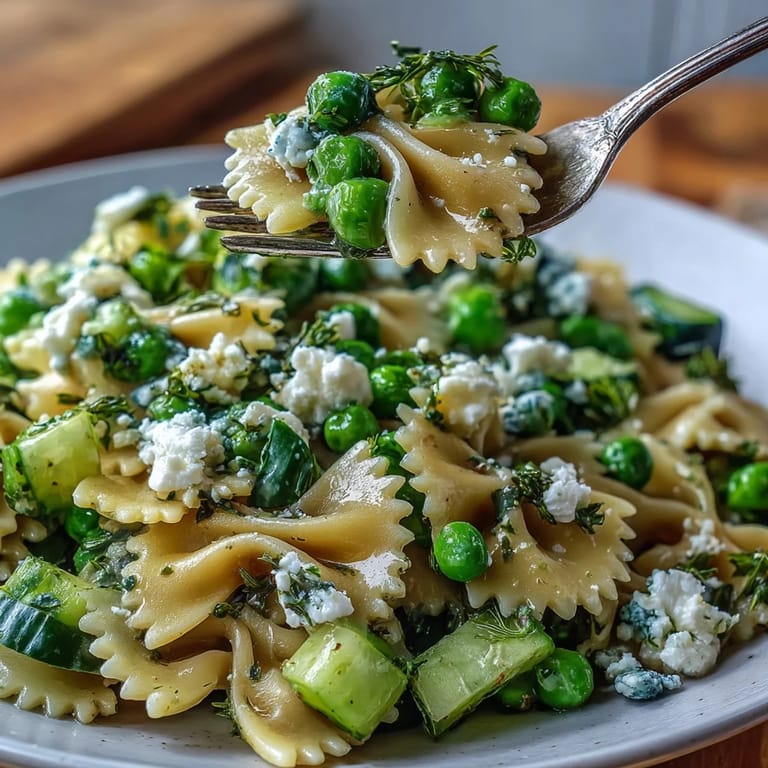
Pin There's a moment when you take a forkful of this salad and realize you're tasting spring itself—all brightness and newness and the feeling that the kitchen doesn't have to be complicated to be wonderful. That's when this dish stopped being just lunch and became something I make whenever I want to remind myself that the simplest things often taste the best.
Why This Salad Became My Summer Signature
What strikes me most about this pasta salad is how it refuses to be boring even though it could be. The mint and lemon vinaigrette do something almost magical—they don't just flavor the dish, they brighten your entire mood. I've watched people's faces light up when they taste it, which sounds like I'm exaggerating but I'm really not. It's the kind of food that makes people feel seen, like you actually put thought into feeding them something that tastes alive.
Variations That Emerged From Raiding My Kitchen
Once you understand the foundation of this salad, it becomes a canvas for whatever you find yourself holding. I've added grilled chicken when I wanted protein, swapped the peas for snap peas when fresh ones weren't available, and thrown in chickpeas when I wanted something heartier. A friend made it with cherry tomatoes and told me it changed her life, which I think she was only slightly exaggerating. The magic stays intact no matter what you add, as long as you keep the lemon vinaigrette sharp and the herbs generous.
Storage and Make-Ahead Wisdom
This salad actually improves with a day in the fridge, which is the dream for busy people and meal preppers alike. The flavors deepen and mingle, and everything tastes more like itself. I've kept it for two days without any regrets, though by day three it starts to lose some of its sprightly energy. If you're making it ahead, I'd suggest adding the feta and fresh herbs just before serving so they don't get lost in the mix.
- Store it in a glass container with a tight lid to keep the mint and parsley as fresh as possible.
- If it dries out slightly, a squeeze of fresh lemon juice right before eating brings it right back to life.
- Don't dress the pasta more than a few hours ahead if you want it to stay crisp—the vinaigrette will soften everything if given too much time.
 Pin
Pin This recipe taught me that great food doesn't require a long ingredient list or complicated techniques—just respect for what you're working with and the willingness to taste as you go. Every time I make it, I'm reminded that the best meals are the ones that taste like generosity.
Recipe Questions
- → Can I make this pasta salad ahead of time?
Yes, this dish actually improves after chilling for 15-30 minutes. The flavors meld together beautifully, and it keeps well in the refrigerator for up to 2 days. Just wait to add the feta until serving if you prefer it fresh.
- → What pasta shapes work best?
Small pasta shapes like farfalle, orecchiette, or penne are ideal because they catch the vinaigrette and vegetables nicely. Choose something with texture or ridges to hold the dressing.
- → Can I use frozen peas instead of fresh?
Absolutely. Frozen peas work perfectly and are often sweeter than fresh. Just add them during the last 2 minutes of pasta cooking time to thaw and heat through.
- → How do I make this vegan?
Simply omit the feta cheese or substitute it with a plant-based alternative. The lemon vinaigrette is naturally vegan, and the salad is delicious without cheese.
- → Can I add protein to make it more filling?
Yes, grilled chicken, chickpeas, white beans, or even hard-boiled eggs are great additions. The light vinaigrette complements most proteins beautifully.