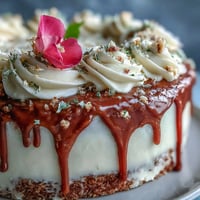
 Pin
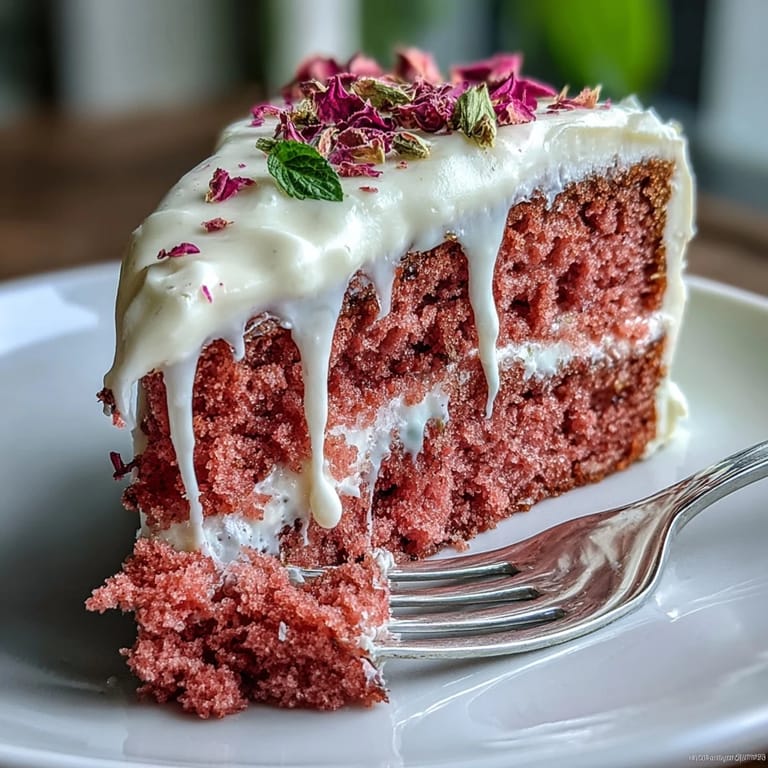
Pin The gentle fizz of rosé wine always reminds me of laughter clinking in the background while I’m whisking together batter for something special. There’s a certain anticipation in the air when preparing this Rosé Velvet Cake—the swirl of pink in the bowl, the buttery smell melting into the kitchen, the sense that this cake is destined for celebration. It’s not just about the color (though that soft blush is undeniably lovely) but about capturing a touch of elegance and a hint of fun in every layer. I never set out to master cake decorating, but this recipe taught me to appreciate the little imperfections that come with homemade gold drips. Each time, I find myself smiling at my cake’s character as much as its glamour.
One spring, my friend handed me a basket of roses and a bottle of rosé moments before guests arrived for her shower, and I found myself improvising this cake—edible flowers tucked on top, a bit more laughter in the mix than usual. We hovered around the finished cake, trembling paintbrushes and all, everyone eager to take the first golden slice. It’s a memory peppered with frosting on shoulders and cheers over pink-tinged crumbs. I’ll never forget the nervous hush that fell as I lifted the dome to reveal the shimmering drip—only to dissolve in applause. That first slice proved to me that a cake can feel like a magic trick and a celebration at the same time.
Ingredients
- All-purpose flour: Gives the cake its structure—softly sift it for an even, tender crumb.
- Cornstarch: A little tip I picked up to lighten the crumb, making each bite plush instead of dense.
- Unsweetened cocoa powder: Just enough to add depth—you’d hardly know it was there, except for the faint hint of luxury.
- Baking soda: Helps the layers rise and turn airy, so don’t skip it.
- Salt: Balances the sweetness and sharpens the subtle notes of wine.
- Unsalted butter: Cream it thoroughly for that irresistible, bakery-level flavor and texture.
- Granulated sugar: For sweetness and a touch of crunch at the edges, especially if you like crusty corners.
- Light brown sugar: Adds a whisper of molasses and warmth.
- Eggs: Bring the batter together—always use them at room temperature for even mixing.
- Rosé wine: The not-so-secret ingredient that gives the cake its floral fragrance and celebratory spirit; any dry, fruity rosé works.
- Buttermilk: Prevents dryness and creates that coveted velvet texture—don’t substitute with plain milk if you can help it.
- Vanilla extract: Enhances everything else, even the wine.
- Pink gel food coloring: Optional, but a small squeeze gives the batter a showstopping hue—use a toothpick for precision.
- Cream cheese: Room temperature is non-negotiable for lump-free frosting luxury.
- Confectioners’ sugar: Sifted for a cloudlike finish, and to prevent tiny clumps in your frosting.
- White chocolate chips: Melt easily for the drip effect, and complement the subtle wine flavor without overpowering.
- Heavy cream: Creates that perfect ganache consistency for dramatic drips.
- Edible gold luster dust: The finishing touch—don’t be shy, the more sparkly, the merrier.
- Clear vodka or lemon extract: A splash is all it takes to turn luster dust into edible paint.
Tired of Takeout? 🥡
Get 10 meals you can make faster than delivery arrives. Seriously.
One email. No spam. Unsubscribe anytime.
Instructions
- Prepare the pans and oven:
- The hum of the oven preheating and the gentle press of parchment paper into the pans are small but important rituals—grease and line three 8-inch pans for even layers every time.
- Mix the dry ingredients:
- Sifting flour, cornstarch, cocoa, baking soda, and salt together leaves a gentle cloud in the air and ensures the batter is smooth as silk.
- Cream the butter and sugars:
- Beat the butter with the sugars until the color lightens and the mixture looks pillowy; your patience here means a fluffier crumb later.
- Add the eggs and vanilla:
- Drop in the eggs, one at a time, watching as each yolk disappears before the next goes in, then stir in vanilla to round out the flavor.
- Combine rosé and buttermilk:
- Pouring rosé next to buttermilk in a jug feels like making a tiny toast to the process—a quick stir blends the bouquet of notes they add.
- Alternate wet and dry:
- With every addition, mix in part of the dry ingredients, alternating with your rosy mixture, ending with flour—add enough pink gel to reach your perfect blush as you mix.
- Divide and bake:
- Pour the batter evenly into pans, smoothing with a spatula—the color will look extra dreamy before it bakes up fluffy and tall.
- Cool the cakes:
- Let layers breathe for ten minutes before turning out—watch for drifting steam and be patient; cool completely for stacking success.
- Make the frosting:
- Beat cream cheese and butter together until creamy and pale, then slowly add sugar, vanilla, and salt—keep going until it’s spreadable and light.
- Assemble the cake:
- Layer with frosting between, then coat the whole cake; use an offset spatula for a smooth swoop and chill before the final flourish.
- Create the gold drip:
- Gently melt white chocolate chips with cream, stirring until satiny; drizzle the ganache over chilled cake edges and watch gravity do its thing.
- Paint with gold:
- Dip your brush in gold paint and carefully sweep it along each drip—don’t fret about perfection, the shimmer is what matters most.
- Add finishing touches:
- Scatter edible flowers or a bit of gold leaf on top if you like—stand back and admire your creation before slicing in.
 Pin
Pin 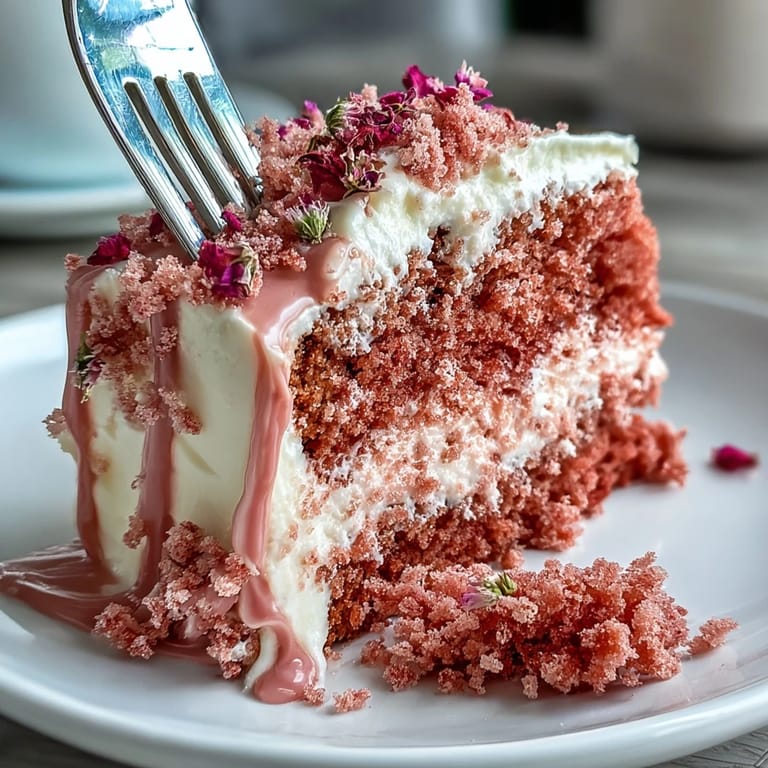 Pin
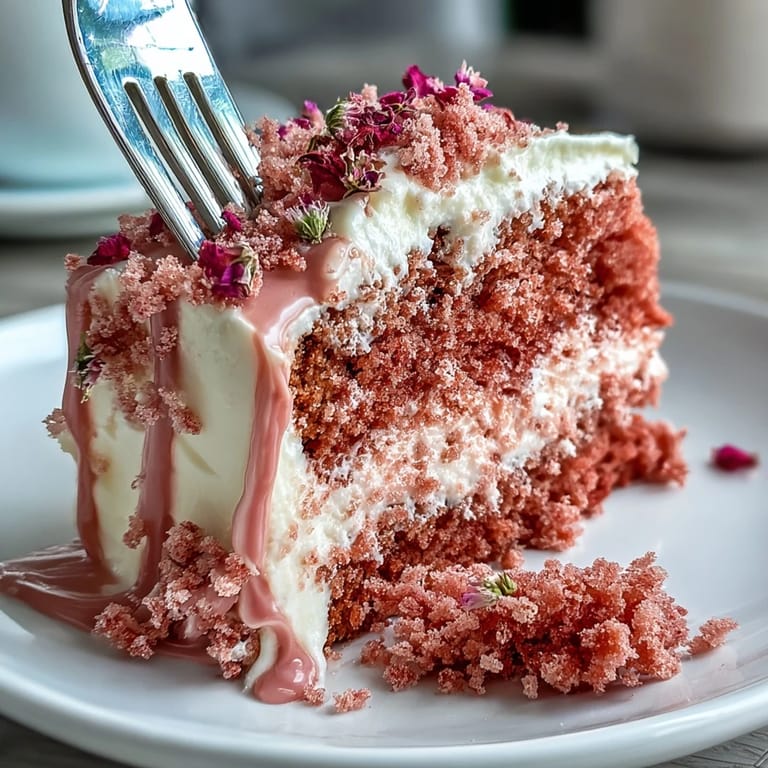
Pin The moment the gilded cake appeared on the table, even the least cake-loving guest reached for a plate, drawn by the sparkling drips. Our laughter over forkfuls turned that afternoon into something luminous—a little luxurious, a little messy, entirely memorable.
Making the Gold Drip Like a Pro
The first time I tried gold painting on cake, my hands shook and my lines wobbled, but I quickly realized no one cared about perfect technique—shimmer covers a multitude of wobbles. Let the white chocolate ganache set completely in the fridge before painting, otherwise, your brush will drag crumbs and make streaks. Mixing the luster dust with vodka or lemon extract (not water) is key to getting bold color that actually dries. A fine-tip paintbrush picks up more gold with fewer brushstrokes, so you can work faster and with more confidence. And if you splatter a bit of gold, just call it glamorous abstract art!
Creative Customization Ideas
After a few versions, I began playing around with add-ins and decorations—every bridal shower seems to have its own flair. Sometimes I sprinkle fresh raspberries between the layers, or swap in sparkling cider for a non-alcoholic crowd. A ring of edible flowers on top transforms the cake into a stunning centerpiece with barely any effort. A handful of gold-tipped sugar pearls nestled in the drips add dimension and catch the light in beautiful ways. Little changes like these make each cake feel like a bespoke celebration.
Troubleshooting Your Cake for Flawless Results
If your layers dome or crack, level them with a serrated knife and save the crumbs for topping ice cream. Should your frosting feel too soft, a quick chill firms it right up for easier smoothing. Remember: real kitchen magic is about adapting and fixing, not panicking.
- Don’t rush cooling the cake before decorating—warm layers will melt the frosting in sneaky ways.
- If your ganache looks grainy, a gentle reheat and stir brings it back to silky smoothness.
- Always taste your frosting before spreading—you might want a pinch more salt or a splash more vanilla for balance.
 Pin
Pin 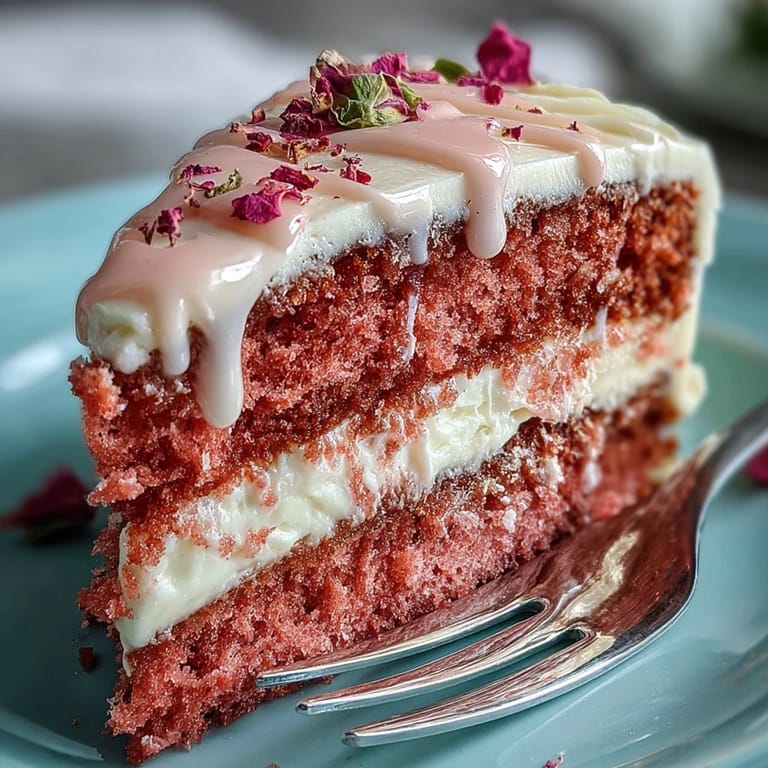 Pin
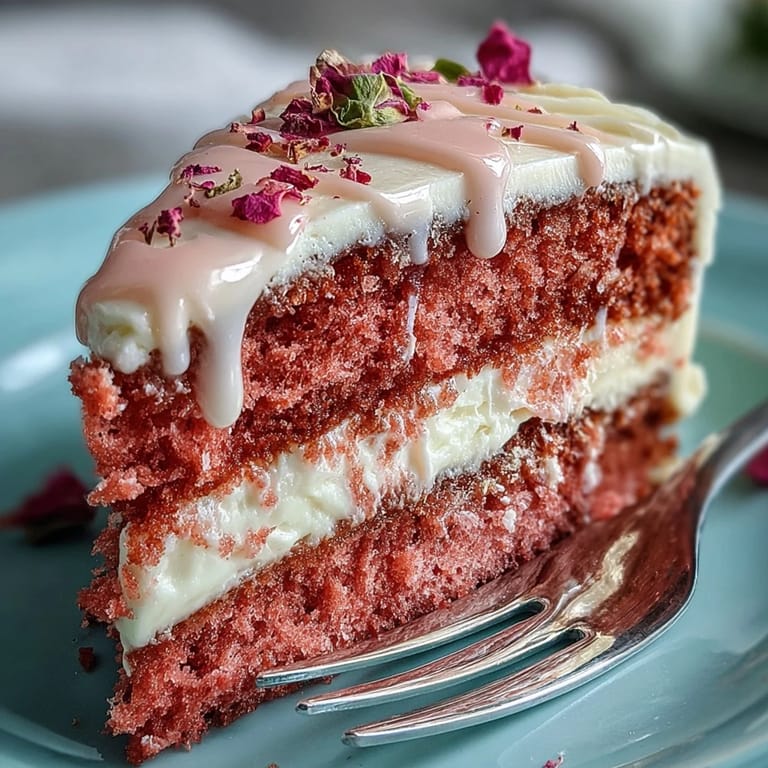
Pin Cake this festive is meant to spark joy, whether you’re baking for a crowd or just want to add a golden glow to any afternoon. Slice, share, and soak up every glittering, berry-sweet bite.
Recipe Questions
- → How can I get a natural pink hue without much food coloring?
Use a good-quality rosé and a small amount of beet powder or reduced cocoa to deepen the blush. The rosé adds fragrance and subtle color; add gel coloring sparingly only if you want a vivid pink.
- → What type of rosé works best for flavor?
Choose a dry, fruit-forward rosé with bright strawberry or raspberry notes. Avoid overly sweet or heavily oaked bottles so the wine lifts the cake without overpowering the butter and cocoa flavors.
- → How do I make a non-alcoholic version?
Substitute equal parts pink grape juice or sparkling cider for the rosé. Reduce other liquids slightly if needed to maintain batter consistency, and add a splash of lemon juice for brightness.
- → Any tips for smooth, stable cream cheese frosting?
Start with cream cheese and butter at room temperature, beat until completely smooth, then add sifted confectioners’ sugar gradually. Chill briefly before final smoothing to firm up the frosting for cleaner layers.
- → How do I get a clean, even gold drip?
Warm white chocolate and cream until glossy and pourable but not hot; test the consistency on a chilled edge. Chill to set the ganache, then mix edible gold luster dust with a few drops of vodka or lemon extract and brush onto set drips for a polished finish.
- → What’s the best way to store and serve the finished cake?
Refrigerate the assembled cake in an airtight cake box for up to 3 days. Bring to room temperature for 30–60 minutes before serving to soften the frosting and enhance flavor; keep decorated edges chilled until just before display.