 Pin
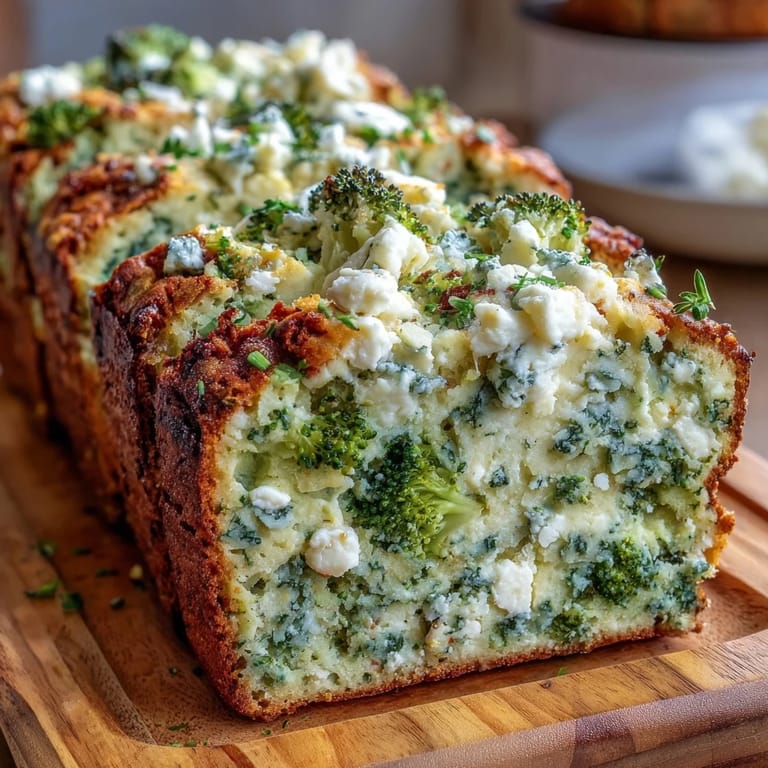
Pin My neighbor brought over a warm slice of broccoli and feta loaf one Tuesday afternoon, and I was immediately struck by how something so humble could taste so sophisticated. The buttery crumb gave way to tender broccoli pieces and salty feta pockets that made it feel less like bread and more like a savory celebration. I asked for the recipe that same evening, and she laughed, saying she'd been making it for years but never thought to share it. Now it's become my go-to when I want something that feels restaurant-quality but comes together in under two hours.
I made this for a Sunday potluck once and watched people's faces as they realized the green flecks were actual broccoli, not herbs scattered on top. Someone asked if I'd made it professionally, and I admitted it was my second attempt ever. That moment taught me that simple, honest food often impresses more than something fussy or complicated.
Ingredients
- Broccoli florets (1 1/2 cups, finely chopped): Steam them just until tender so they hold their shape and don't turn to mush in the batter, then let them cool completely before folding in.
- Feta cheese (1 cup, crumbled): The salty, tangy foundation of this loaf, so don't skip it or substitute with a milder cheese unless you want a completely different flavor profile.
- Buttermilk (1 cup): This creates the tender crumb and subtle tang that makes the loaf feel special; regular milk won't give you the same result.
- Unsalted butter (1/4 cup, melted): Melt it and let it cool slightly so it doesn't cook the eggs when you whisk them together.
- All-purpose flour (2 cups): Measure by spooning and leveling, not packing, or you'll end up with a dense loaf.
- Baking powder (2 tsp) and baking soda (1/2 tsp): This duo works together to give you a light, tender crumb, so don't mess with the ratio.
- Salt (1/2 tsp) and black pepper (1/4 tsp): The salt enhances everything, and the pepper adds a whisper of heat that makes people ask what the secret ingredient is.
- Large eggs (3): They bind everything together and contribute to the loaf's moist texture, so use room-temperature eggs if you can.
Tired of Takeout? 🥡
Get 10 meals you can make faster than delivery arrives. Seriously.
One email. No spam. Unsubscribe anytime.
Instructions
- Set your oven and prepare:
- Heat your oven to 350°F and grease your loaf pan generously, then line it with parchment paper so the loaf slides out without sticking. This matters more than you'd think when you're trying to cool and slice neatly.
- Tenderize the broccoli:
- Steam or blanch the chopped florets for just 2–3 minutes until they're barely tender, then drain and cool them completely before patting dry. You want them to hold their structure in the batter, not fall apart.
- Combine the dry ingredients:
- Whisk together your flour, baking powder, baking soda, salt, and pepper in a large bowl until everything is evenly distributed. This prevents pockets of undissolved baking soda from creating bitter spots.
- Mix the wet ingredients:
- Beat the eggs in a separate bowl, then whisk in the buttermilk and melted butter until it's smooth and well combined. The eggs should be fully incorporated so the mixture is uniform.
- Gently combine wet and dry:
- Pour the wet mixture into the dry ingredients and stir just until you can't see streaks of flour anymore. Stop there, even if it looks a little lumpy; overmixing creates a tough, dense loaf that nobody enjoys.
- Fold in the broccoli and feta:
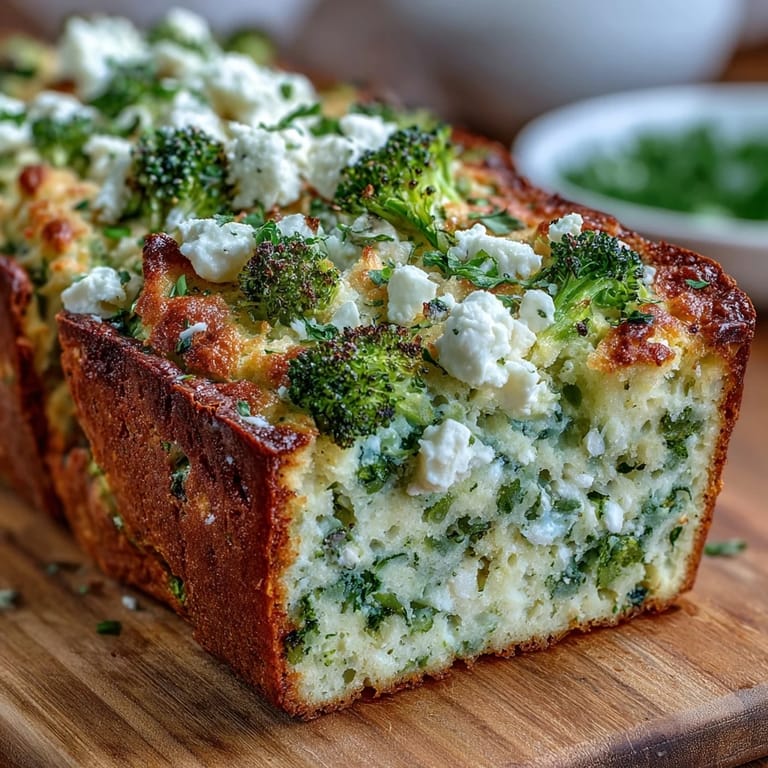
- Use a spatula to gently fold in the cooled broccoli and crumbled feta so they're distributed throughout without crushing them. This is where you see the magic happen as pockets of green and white appear throughout the batter.
- Bake until golden and set:
- Pour the batter into your pan and smooth the top, then bake for 45–50 minutes until a toothpick inserted in the center comes out clean or with just a few moist crumbs. The top should be lightly golden but not darkly browned.
- Cool with patience:
- Let the loaf cool in the pan for 10 minutes so the structure sets, then turn it out onto a wire rack to cool completely. Slicing into a warm but set loaf is when you get the best texture.
 Pin
Pin My daughter, who refuses most vegetables, will eat this loaf without protest because the broccoli feels like a bonus surprise rather than something she's forced to eat. That's when I knew this recipe had crossed from being just good to being truly special.
Flavor Variations to Try
Once you've mastered the basic version, the loaf becomes a canvas for creativity. I've experimented with everything from fresh dill to sun-dried tomatoes mixed into the feta, and each variation feels like discovering a new favorite. The key is respecting the foundation; you can add about 2 tablespoons of fresh herbs or one-quarter cup of add-ins without throwing off the chemistry.
Storage and Serving Suggestions
This loaf keeps beautifully in an airtight container for up to four days at room temperature, or you can wrap it and freeze it for up to two months. Toasting slices brings back the buttery warmth and makes day-old loaf taste almost freshly baked. It pairs perfectly with soup, salad, or a simple bowl of eggs for breakfast.
Why This Loaf Works Every Time
The magic lies in the ratio of buttermilk to dry ingredients, which creates a moist loaf that never feels dry or crumbly. The feta doesn't just add salt; it adds a fermented complexity that makes people lean in and ask what makes it taste so good. The broccoli adds nutrition without making it feel like health food, which is exactly what we want from a loaf that's meant to be enjoyed and shared.
- Always taste your feta before adding it; some brands are saltier than others, so adjust the salt in the dry ingredients if needed.
- If your buttermilk is particularly thick, thin it slightly with water so the batter reaches a thick but pourable consistency.
- Room-temperature ingredients mix more smoothly and create a more cohesive batter than cold ones straight from the refrigerator.
 Pin
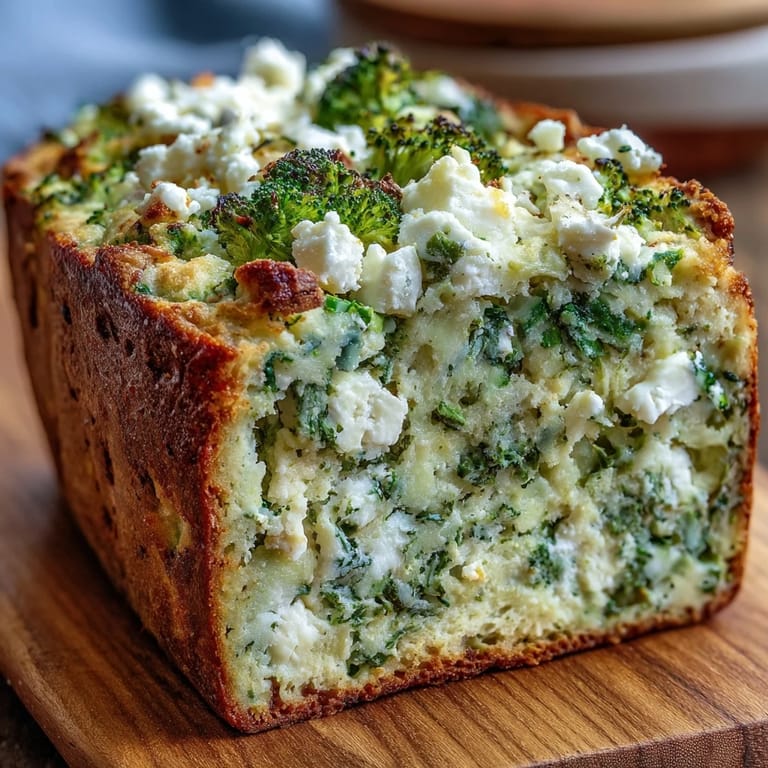
Pin This broccoli and feta loaf has become my quiet triumph, the thing I make when I want to feel like I'm doing something special without the stress. Every time someone asks for the recipe, I feel that same neighborly joy my friend must have felt when she shared it with me.
Recipe Questions
- → Can I make this loaf gluten-free?
Yes, substitute the all-purpose flour with a 1:1 gluten-free flour blend. The texture may be slightly denser but still delicious.
- → How should I store the loaf?
Wrap tightly in plastic or store in an airtight container at room temperature for up to 3 days. For longer storage, refrigerate for up to a week or freeze sliced for up to 3 months.
- → Can I use frozen broccoli instead of fresh?
Yes, thaw and drain frozen broccoli thoroughly before adding. Pat dry to remove excess moisture, which prevents the loaf from becoming soggy.
- → What can I substitute for buttermilk?
Mix 1 cup regular milk with 1 tablespoon lemon juice or white vinegar. Let sit for 5 minutes until slightly thickened before using.
- → Can I add other vegetables to this loaf?
Absolutely. Spinach, grated zucchini, or bell peppers work well. Just ensure any additional vegetables are cooked and drained to avoid excess moisture.