 Pin
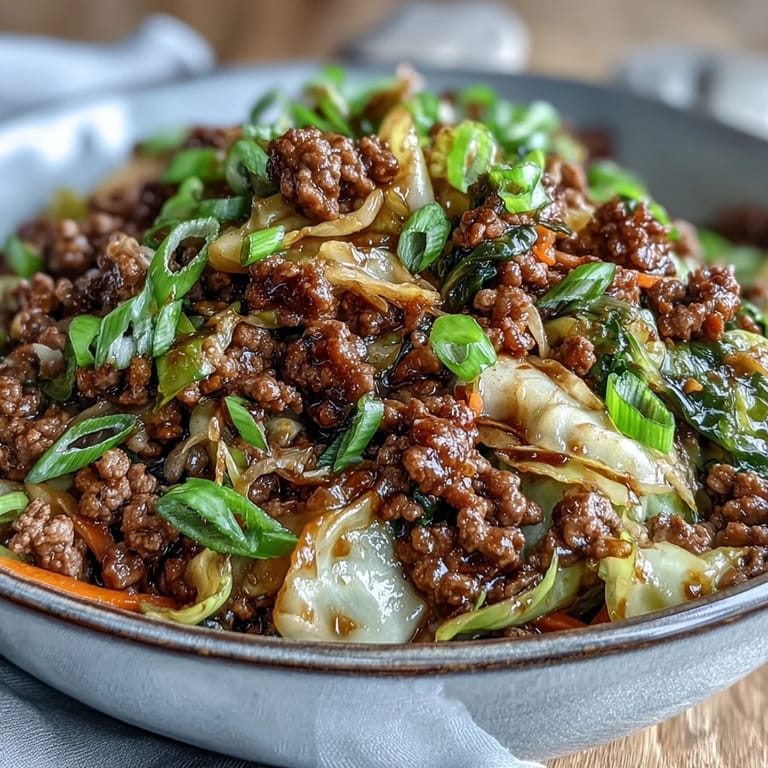
Pin My wok sat gathering dust until a weeknight when the fridge held nothing but ground beef, half a cabbage, and a bottle of soy sauce. Out of necessity came this stir-fry, and somehow those humble ingredients transformed into something so satisfying that my partner asked for seconds before I'd even finished plating. It's become my go-to when I need dinner on the table in under thirty minutes, no fuss, no complicated techniques.
I made this for my colleague who'd mentioned she was trying low-carb eating, and she was shocked it came together in her tiny apartment kitchen. She kept saying it tasted like takeout but better, which honestly made my day. Now whenever she wants something that feels indulgent without the guilt, she texts me for this recipe.
Ingredients
- Lean ground beef (1 lb): Brown it properly to develop flavor, and don't skip breaking it into small pieces as it cooks or you'll end up with tough chunks.
- Green cabbage (1 small head, thinly sliced): The thinness matters because thin slices wilt in minutes and stay crisp, while thick chunks turn mushy.
- Green onions (3, sliced): Use the white and green parts separately so the white parts have time to soften while the green tops stay fresh and bright.
- Garlic and ginger (2 cloves and 1-inch piece): Fresh is non-negotiable here; the smell as they hit the hot oil is part of the whole experience.
- Carrot (1 medium, julienned): Optional but it adds sweetness and color, though you can skip it entirely if staying strict low-carb matters to you.
- Soy sauce (3 tbsp): Use tamari if you need gluten-free, and quality matters since it's the backbone of your sauce.
- Oyster sauce (1 tbsp): This adds umami depth that soy sauce alone can't deliver; tamari oyster sauce works if you have allergies.
- Rice vinegar (1 tbsp): The acidity brightens everything and keeps the sauce from becoming one-note savory.
- Sesame oil (1 tbsp): Use it at the end, not for cooking, because heat kills its nutty personality.
- Sriracha or chili garlic sauce (1 tsp, optional): Only add if you like heat, and remember it continues to build as the dish sits.
- White pepper (1/2 tsp): More subtle than black pepper and less likely to become visible specks that guests notice.
- Sugar or sweetener (1/2 tsp, optional): Just a hint to balance the salty and tangy notes in the sauce.
- Vegetable oil (1 tbsp): Peanut oil gives extra flavor if you have it, but any neutral oil works for high-heat cooking.
Tired of Takeout? 🥡
Get 10 meals you can make faster than delivery arrives. Seriously.
One email. No spam. Unsubscribe anytime.
Instructions
- Make your sauce first:
- Whisk together soy sauce, oyster sauce, rice vinegar, sesame oil, Sriracha if using, white pepper, and sugar in a small bowl. This takes two minutes and means you won't be scrambling while the wok is smoking.
- Brown the beef with focus:
- Heat vegetable oil in your wok or large skillet over medium-high heat until it shimmers, then add ground beef and break it into small pieces with your spatula as it cooks. You're looking for it to be completely brown with no pink remaining, which takes about four to five minutes.
- Build the flavor base:
- Add your minced garlic, grated ginger, and the white parts of the sliced green onions to the cooked beef. Stir constantly for about a minute until the kitchen smells like you're cooking something real.
- Wilt the cabbage quickly:
- Dump in your thinly sliced cabbage and carrot if using, then keep stirring for five to seven minutes until the cabbage softens but still has some crispness left. If you wait too long it becomes mushy and sad.
- Bring everything together:
- Pour your sauce over the entire mixture and toss everything until coated, then let it cook for another minute or two until the sauce reduces slightly and coats each piece. The whole thing should look glossy and feel cohesive.
- Finish and serve:
- Remove from heat, sprinkle the green parts of your green onions on top for color and freshness, then serve immediately while it's still hot and the cabbage is at its best texture.
 Pin
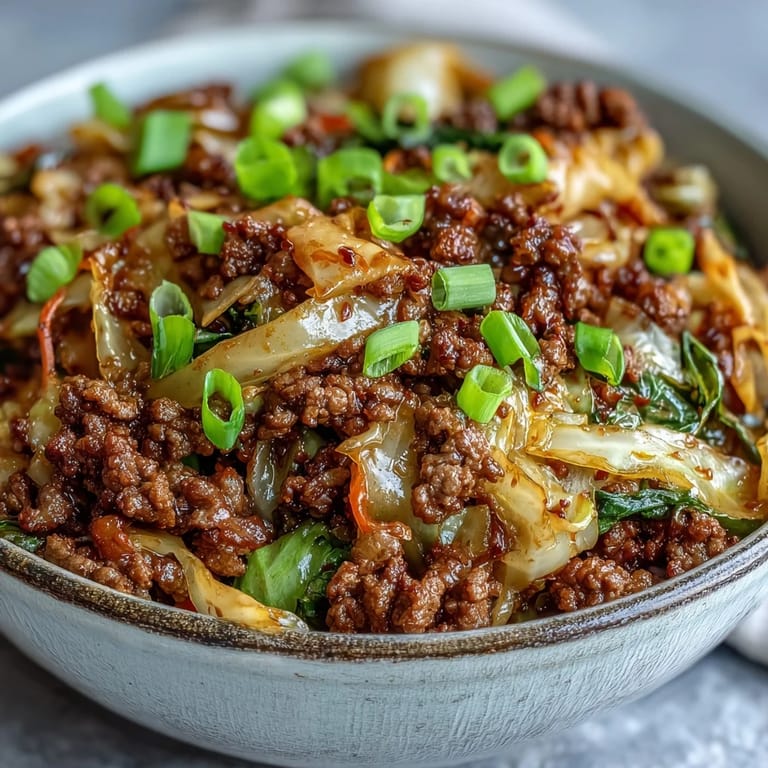
Pin One evening I made this for my roommate who'd had the worst day, and watching her mood shift as she took the first bite reminded me that sometimes the simplest meals carry the most comfort. There was nothing fancy about it, just good food made quickly with care, and that's what stuck with her.
The Sauce Is Everything
I learned early on that if you dump soy sauce directly into the wok without mixing it with the other components first, you'll get weird pockets of overly salty vegetable while other parts taste bland. The mingling of sweet, salty, tangy, and nutty all together in that small bowl is what transforms ordinary ingredients into something that tastes intentional and balanced.
Playing With Heat and Texture
The beauty of this stir-fry is that you can adjust the heat level completely to your mood, whether that means no Sriracha at all or doubling it if you like your food spicy. Medium-high heat is your friend here because it's hot enough to develop flavor and keep vegetables from releasing too much water, but not so hot that everything burns before the cabbage has a chance to soften.
Making It Your Own
This recipe feels like a template that wants to be customized, which is part of why I keep coming back to it. Ground chicken works perfectly if you want something lighter, pork adds richness, and even ground turkey disappears into the sauce in a pleasant way. If you're serving it over cauliflower rice instead of eating it as-is, suddenly you have a complete low-carb meal that feels substantial enough to genuinely satisfy.
- Top with toasted sesame seeds or chopped roasted peanuts for crunch that makes every bite different.
- Leftover cabbage becomes crispy again if you quickly re-heat it in the wok the next day instead of microwaving.
- Make extra sauce if you're unsure about the balance because you can always add more but you can't take it back.
 Pin
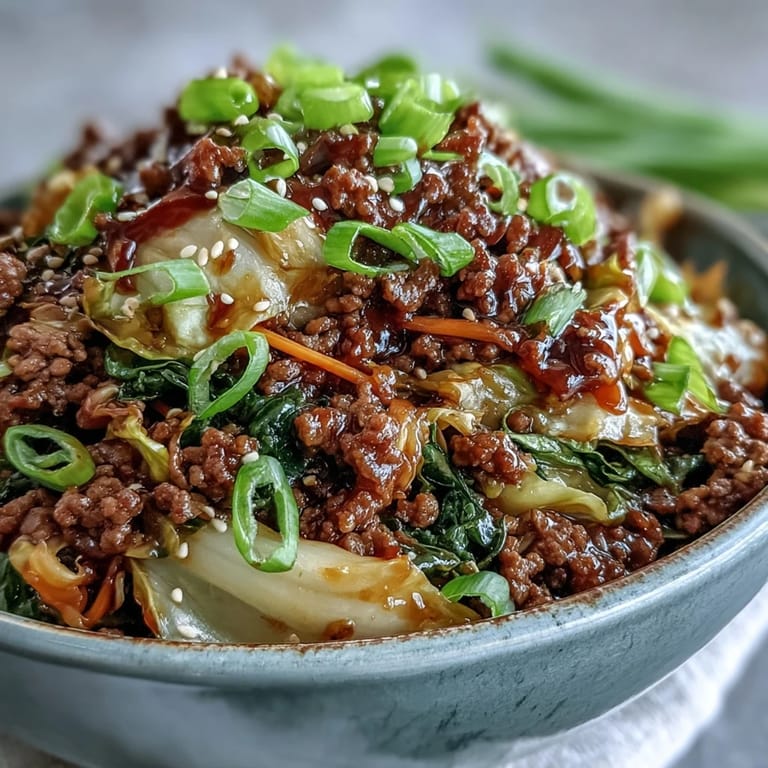
Pin This stir-fry has saved me on nights when I didn't want to think too hard about dinner but still wanted something real and nourishing. Make it as often as you need it, adjust it however feels right, and trust that simple ingredients treated with attention always turn out well.
Recipe Questions
- → Can I use a different type of ground meat?
Yes, ground chicken, pork, or turkey work perfectly as substitutes for beef. Adjust cooking time slightly based on the meat's fat content.
- → How do I make this gluten-free?
Replace regular soy sauce with tamari and ensure your oyster sauce is labeled gluten-free. Always verify all sauce labels for hidden gluten.
- → Can I prepare this ahead of time?
While best served fresh, you can prep ingredients in advance. Store the cooked stir-fry in an airtight container for up to 3 days and reheat in a skillet.
- → What can I serve with this dish?
Serve over steamed cauliflower rice for a low-carb option, or with regular rice, quinoa, or noodles. It's also delicious on its own as a one-pan meal.
- → How can I add more vegetables?
Bell peppers, snap peas, mushrooms, or bok choy make excellent additions. Add them with the cabbage and adjust cooking time to maintain a crisp texture.
- → Is this dish spicy?
The base version is mild with subtle heat from white pepper. Add Sriracha or chili garlic sauce to increase spiciness to your preference.