 Pin
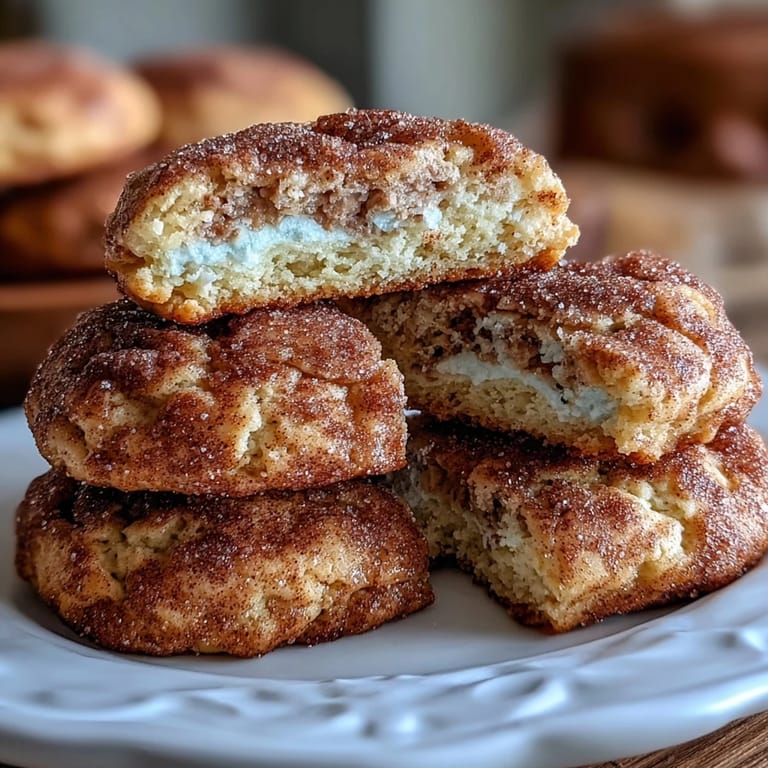
Pin My neighbor brought these to a book club meeting, and I spent the entire evening wondering what made them so impossibly soft. When I finally asked for the recipe, she laughed and said, "It's the cottage cheese—nobody expects it." I was skeptical until I tasted that tender crumb with the tang playing against the cinnamon sugar, and suddenly I understood why she'd been keeping this secret. Now whenever I need comfort in cookie form, this is what I reach for.
I made these for my daughter's school bake sale after she said, "Mom, can you make something people have never had before?" When parents came back asking for the recipe, she got this proud smile that told me we'd landed on something special. One dad even returned the plate with a note saying his kids requested them weekly—which felt like the highest compliment a cookie could receive.
Ingredients
- Cottage cheese (1 cup, full-fat or low-fat): This is the secret ingredient that gives these cookies their signature softness and subtle tang; full-fat creates a richer crumb, but low-fat works beautifully too.
- Unsalted butter (1/2 cup, softened): Softened butter creams smoothly with the cottage cheese, so pull it out thirty minutes before baking and your mixing will be effortless.
- Granulated sugar (1 cup for dough, 1/4 cup for coating): Keep the coating sugar separate so you can blend it with cinnamon for that signature snickerdoodle finish.
- Large egg: This binds everything together and adds moisture that keeps the cookies tender even after a few days.
- Vanilla extract (2 tsp): Use real vanilla if you have it; the flavor difference shows up in every bite.
- All-purpose flour (2 1/4 cups): Measure by spooning into your measuring cup and leveling off rather than scooping directly from the bag, which packs too much flour and makes cookies dense.
- Cream of tartar (1 1/2 tsp): This is what makes snickerdoodles snickerdoodles—it reacts with the baking soda to create that signature texture and slight tang.
- Baking soda (1/2 tsp): Works with cream of tartar to lift the cookies and create their pillowy structure.
- Baking powder (1/2 tsp): Adds extra lift and ensures even browning on the bottom.
- Salt (1/2 tsp): Balances sweetness and deepens the vanilla flavor.
- Ground cinnamon (2 tsp for coating): Buy cinnamon from a source with good turnover; old cinnamon loses its warmth and brightness.
Tired of Takeout? 🥡
Get 10 meals you can make faster than delivery arrives. Seriously.
One email. No spam. Unsubscribe anytime.
Instructions
- Heat your oven and prepare your pans:
- Set your oven to 350°F and line two baking sheets with parchment paper so your cookies release easily when they're done. This step takes two minutes but saves you from sticking disasters.
- Cream the cottage cheese mixture:
- In a large bowl, beat together the cottage cheese, softened butter, and 1 cup of sugar until the mixture looks smooth and creamy, about two minutes with an electric mixer. You're looking for pale, fluffy texture that shows the butter is fully incorporated.
- Add the egg and vanilla:
- Crack your egg directly into the bowl and add the vanilla extract, then mix until everything disappears into the wet ingredients. The mixture should look homogeneous and smooth, with no streaks of egg white visible.
- Combine your dry ingredients:
- In a separate bowl, whisk together the flour, cream of tartar, baking soda, baking powder, and salt until they're evenly distributed. This whisking step prevents lumps and ensures the leavening agents spread evenly through the dough.
- Bring wet and dry together gently:
- Pour the dry mixture into the wet ingredients and stir with a spatula until just combined—you want to stop as soon as you see no white streaks of flour. Overmixing develops gluten and makes cookies tough, so resist the urge to beat them smooth.
- Make your cinnamon sugar coating:
- In a small bowl, stir together 1/4 cup sugar and 2 teaspoons of cinnamon until they're evenly blended. The cinnamon should be distributed throughout so every bite has that warm spice.
- Shape and coat each cookie:
- Scoop tablespoon-sized portions of dough and roll them between your palms into smooth balls, then roll each one in the cinnamon sugar mixture until completely coated. The coating should stick to the dough in a thick layer that catches the light.
- Space them on your sheets:
- Place each coated ball on the prepared baking sheets about two inches apart because these cookies spread a little as they bake. If they're too close, they'll bake together into one mass.
- Bake until the edges set but centers stay soft:
- Bake for eleven to thirteen minutes—your oven's personality matters here, so start checking at eleven minutes. The edges should look set and slightly firm, while the tops look just dry but still have a subtle shine.
- Cool in two stages for perfect texture:
- Leave the cookies on the baking sheet for five minutes so they firm up enough to move without breaking, then transfer them to a wire rack to cool completely. This two-stage cooling prevents them from cooling too fast on the hot pan and getting crispy.
 Pin
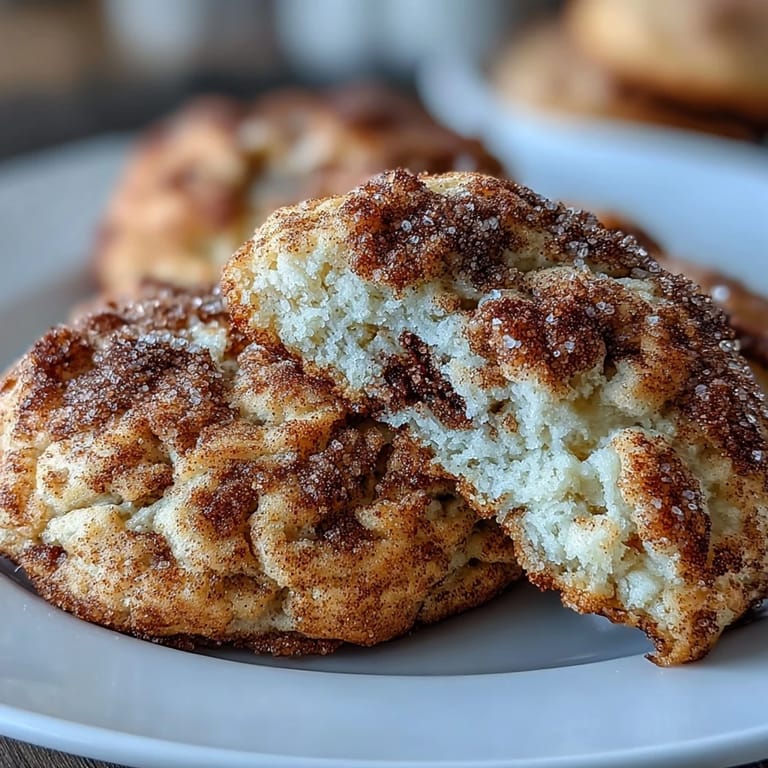
Pin There's something almost magical about pulling these cookies from the oven when your kitchen smells like cinnamon and butter. My son once asked, "Why do these taste like a hug?" and I realized he'd captured exactly what they are—comfort that happens to be a cookie.
Why Cottage Cheese Changes Everything
When I first tried cottage cheese in cookies, I expected them to taste tangy or weird, but instead they became impossibly tender in a way that regular butter cookies never are. The cottage cheese holds onto moisture longer, which means these cookies stay soft even after sitting in a container for three days. It's become my secret weapon whenever I want to bake something that tastes homemade and feels special without any complicated technique involved.
The Cinnamon Sugar Moment That Matters
Rolling warm dough balls in cinnamon sugar is oddly meditative—the sugar catches the texture of the dough and creates this beautiful speckled coating that gets slightly crispy while the inside stays soft. I've learned that pressing the dough ball gently into the cinnamon sugar rather than just rolling it makes the coating stick better and look more intentional. It's one of those small actions that transforms an ordinary cookie into something that looks like it came from a bakery.
Variations That Keep Things Fresh
Once you master the basic recipe, you can play with it in ways that feel exciting without being complicated. I've added a pinch of nutmeg to the cinnamon sugar for deeper warmth, swapped ricotta for a milder flavor, and even mixed cardamom into the coating when I wanted something unexpected. The base is so forgiving that you can experiment without fear of ruining a batch.
- A pinch of nutmeg in the cinnamon sugar brings unexpected depth and warmth that makes people ask what's different.
- Ricotta instead of cottage cheese creates a lighter, more delicate texture if you prefer a less tangy result.
- Serve them alongside chai or strong black coffee to let the cinnamon spice really shine through.
 Pin
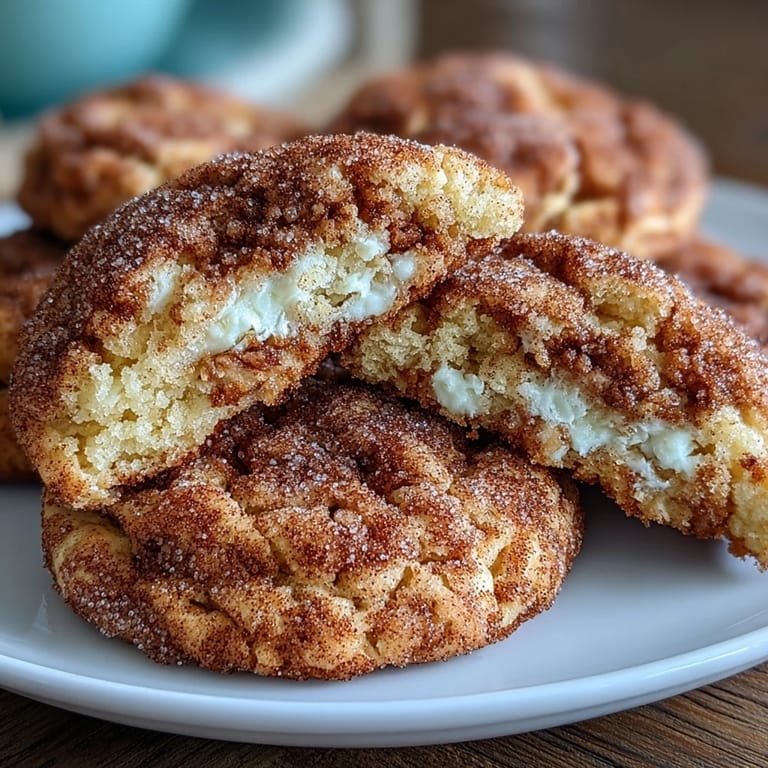
Pin These cookies have become my answer when I need to bring something to share and want people to feel genuinely cared for. They're proof that sometimes the most memorable food comes from being willing to try something unexpected.
Recipe Questions
- → What role does cottage cheese play in these treats?
Cottage cheese adds moisture and a slight tang, creating a tender and soft texture that enhances the overall flavor.
- → Can I substitute ricotta cheese for cottage cheese?
Yes, ricotta can be used for a milder flavor while maintaining the creamy consistency needed for softness.
- → How do I achieve the perfect cinnamon sugar coating?
Mix granulated sugar with ground cinnamon and roll the dough balls thoroughly before baking for an even, fragrant crust.
- → What is the best baking temperature and time?
Bake at 350°F (175°C) for 11–13 minutes, removing once edges set and tops appear dry to maintain softness.
- → How can I keep these cookies soft after baking?
Avoid overbaking and store in an airtight container once cooled to preserve moisture and tenderness.