 Pin
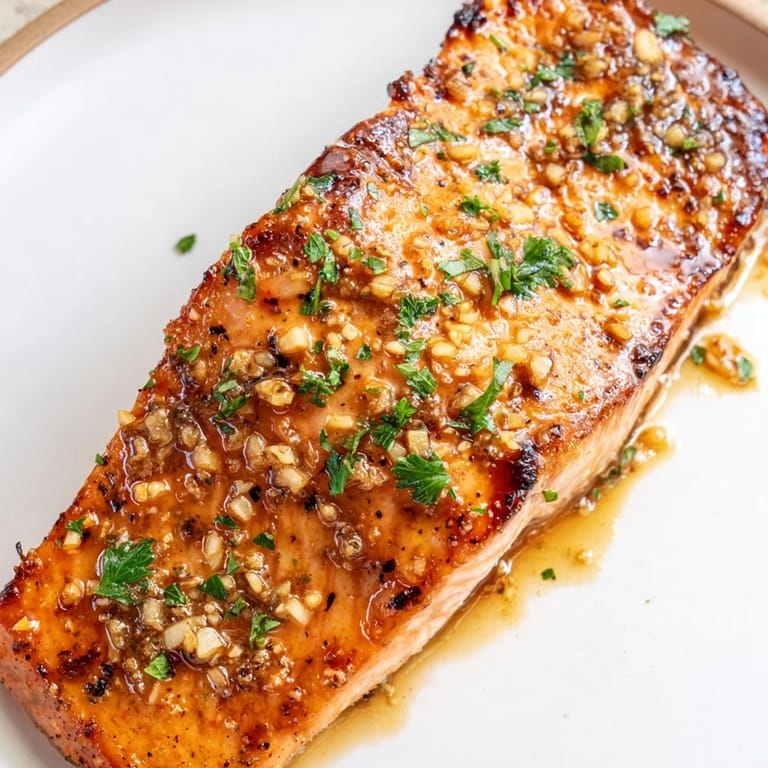
Pin The kitchen was warm, the oven humming softly, and I stood there staring at four perfect salmon fillets wondering how something so simple could feel so impressive. My friend had texted an hour earlier asking what to make for a last-minute dinner guest, and I replied with this recipe, fingers flying across the screen. She called me afterward, laughing, saying her date thought she was a culinary genius. That is the magic of honey garlic glazed salmon: it tastes like you spent hours, but you barely spent twenty minutes.
I made this on a Tuesday night after a long day, too tired to think but too hungry to order takeout. The smell of garlic and honey filled the apartment as the salmon roasted, and I remember standing by the oven, peeking through the glass, watching the glaze bubble and turn golden. My neighbor knocked on the door to ask if everything was okay because it smelled so good. We ended up sharing dinner, two forks, one pan, and a bottle of wine I had been saving for no reason at all.
Ingredients
- Salmon fillets: Look for fillets that are evenly thick so they cook at the same rate, and do not worry about skin-on or skinless, both work beautifully here.
- Honey: This is what creates that gorgeous caramelized glaze, and I have learned that runny honey whisks in much easier than the thick, crystallized kind.
- Butter: Melted butter adds richness and helps the glaze cling to the fish instead of sliding off into the pan.
- Garlic: Fresh minced garlic is non-negotiable; jarred garlic just does not have the same punch or sweetness when it roasts.
- Soy sauce: A splash of soy sauce brings salty depth that balances the sweetness, and yes, tamari or coconut aminos work if you need gluten-free.
- Lemon juice: Freshly squeezed lemon juice cuts through the richness and brightens every bite.
- Dijon mustard: Optional, but it adds a subtle tang and helps emulsify the glaze into something silky.
- Parsley and lemon wedges: A handful of chopped parsley and a few lemon wedges make the whole plate look alive and vibrant.
Tired of Takeout? 🥡
Get 10 meals you can make faster than delivery arrives. Seriously.
One email. No spam. Unsubscribe anytime.
Instructions
- Prep the oven and tray:
- Preheat your oven to 200 degrees Celsius and line a baking tray with parchment paper so cleanup is as easy as crumpling up the paper and tossing it. If you skip the parchment, a light greasing works, but you will scrub a bit later.
- Season the salmon:
- Pat the fillets completely dry with paper towels, then place them on the tray and season both sides with salt and pepper. Dry fish gets a better sear and the glaze sticks instead of pooling.
- Mix the glaze:
- In a small bowl, whisk together honey, melted butter, minced garlic, soy sauce, lemon juice, and Dijon mustard until it looks smooth and glossy. Taste it if you like; it should be sweet, salty, and just a little tangy.
- Brush it on:
- Use a pastry brush to coat the top and sides of each fillet generously with the glaze, letting it pool a little around the edges. Do not be shy; this glaze is the star of the show.
- Roast until perfect:
- Slide the tray into the oven and roast for 12 to 15 minutes, depending on thickness, until the salmon flakes easily with a fork. The glaze will bubble and start to caramelize, filling your kitchen with the most incredible smell.
- Optional broil for caramelization:
- If you want extra golden edges, switch to broil for the final 1 to 2 minutes, but stay close and watch it like a hawk. It goes from perfect to burnt faster than you think.
- Finish and serve:
- Pull the tray out, spoon any sticky pan juices over the fillets, and sprinkle with chopped parsley. Serve hot with lemon wedges on the side for squeezing.
 Pin
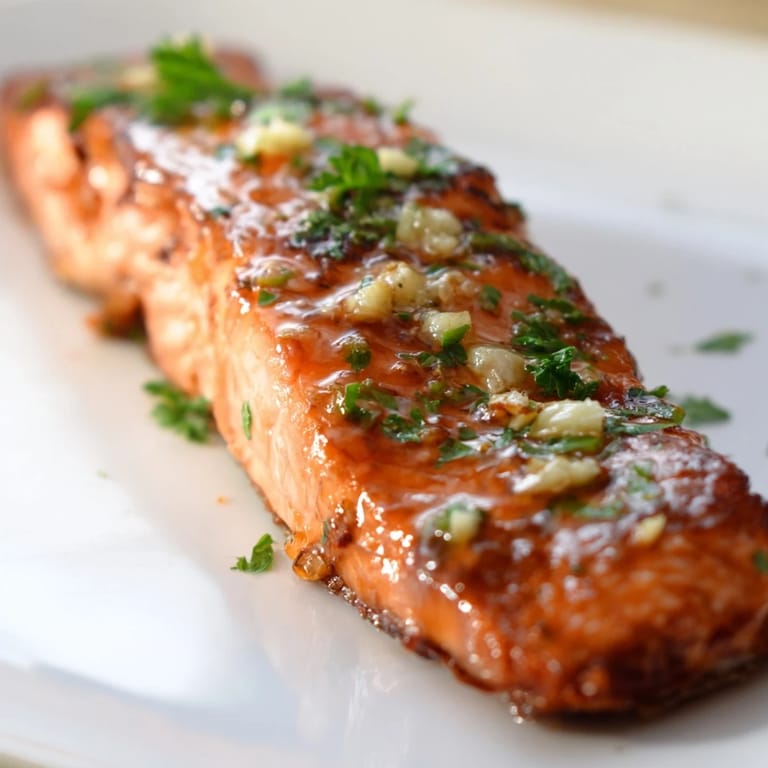
Pin The first time I brought this to a potluck, I watched people go back for seconds and then thirds, scraping the tray for every last bit of sticky glaze. Someone asked if I had trained at culinary school, and I just smiled, thinking about how I had been intimidated by salmon for years. This recipe taught me that confidence in the kitchen is not about complicated techniques. It is about knowing when something works, and this works every single time.
Choosing Your Salmon
I used to stand at the fish counter paralyzed by choices, but now I look for fillets that are firm, bright, and smell like the ocean, not fishy. Wild-caught salmon has a deeper flavor and firmer texture, while farmed is milder and often more affordable. Either works beautifully here, so buy what fits your budget and what looks freshest that day. If you can, ask the fishmonger to portion them evenly so everything cooks at the same rate.
What to Serve Alongside
This salmon shines next to fluffy jasmine rice that soaks up the glaze, roasted asparagus or green beans for a bit of crunch, or a simple arugula salad dressed with lemon and olive oil. I have also served it over mashed potatoes, which sounds odd but tastes incredible when the glaze pools into the creamy potatoes. Keep the sides light and let the salmon be the hero; it has earned it.
Storage and Reheating
Leftover salmon keeps in an airtight container in the fridge for up to two days, and I have eaten it cold straight from the container more times than I care to admit. If you want to reheat it, do so gently in a low oven or microwave at half power to avoid drying it out. The glaze will firm up when cold, but it softens again with a little warmth, and honestly, it tastes just as good the next day tucked into a grain bowl or flaked over a salad.
- Store in an airtight container and refrigerate within two hours of cooking.
- Reheat gently at low heat to keep the salmon moist and tender.
- Cold leftovers are perfect for quick lunches or salads the next day.
 Pin
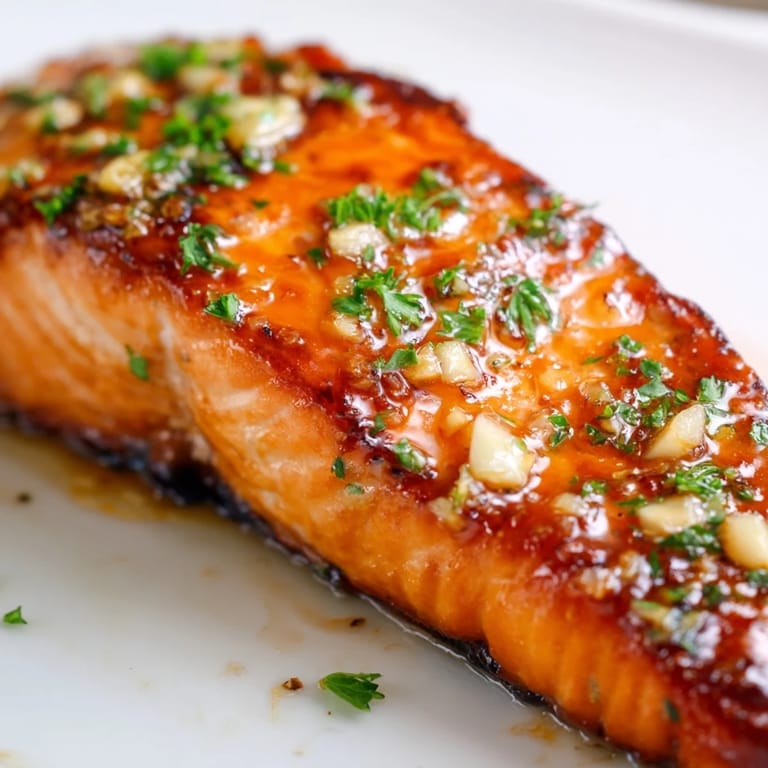
Pin This recipe has become my go-to whenever I want to feel like I have my life together, even on nights when I absolutely do not. I hope it does the same for you.
Recipe Questions
- → How do I know when salmon is cooked through?
Salmon is cooked through when it flakes easily with a fork and reaches an internal temperature of 62-63°C (145°F). The flesh should be opaque and moist, not translucent.
- → Can I prepare the glaze in advance?
Yes, you can make the honey garlic glaze up to 2 hours ahead and store it in the refrigerator. Gently warm it before brushing onto the salmon fillets if it has solidified.
- → What can I serve alongside this dish?
Steamed rice, roasted vegetables like broccoli or asparagus, and fresh green salads pair wonderfully. The bright lemon and savory glaze complement light, simple sides.
- → Can I use skinless salmon fillets?
Absolutely. Both skin-on and skinless fillets work well. Skin-on fillets may cook slightly faster and help retain moisture, but skinless fillets are equally delicious.
- → How can I add more depth to the glaze?
Include Dijon mustard for tangy complexity, or add a pinch of crushed red pepper flakes for subtle heat. Maple syrup can replace honey for a different flavor profile.