 Pin
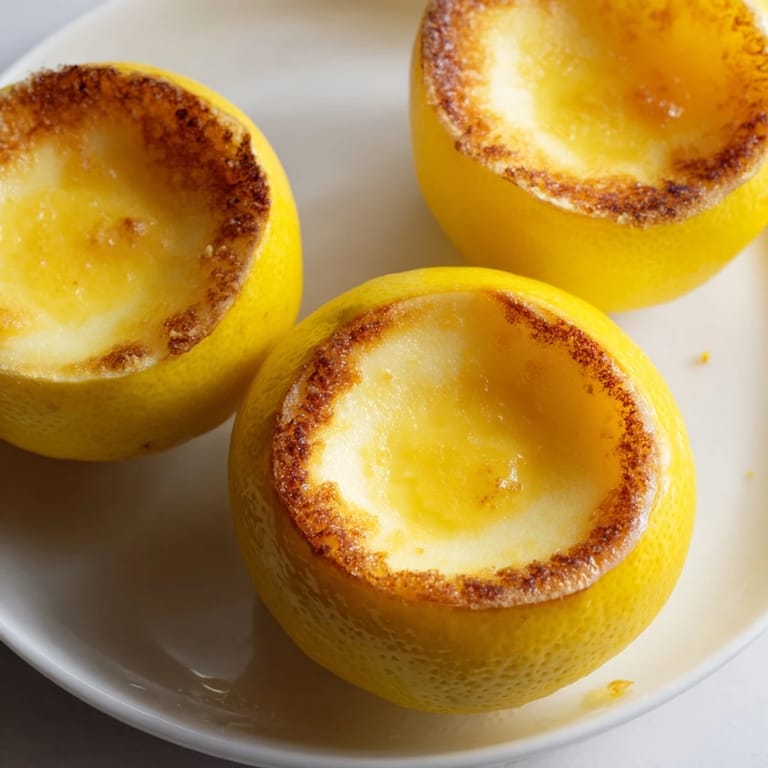
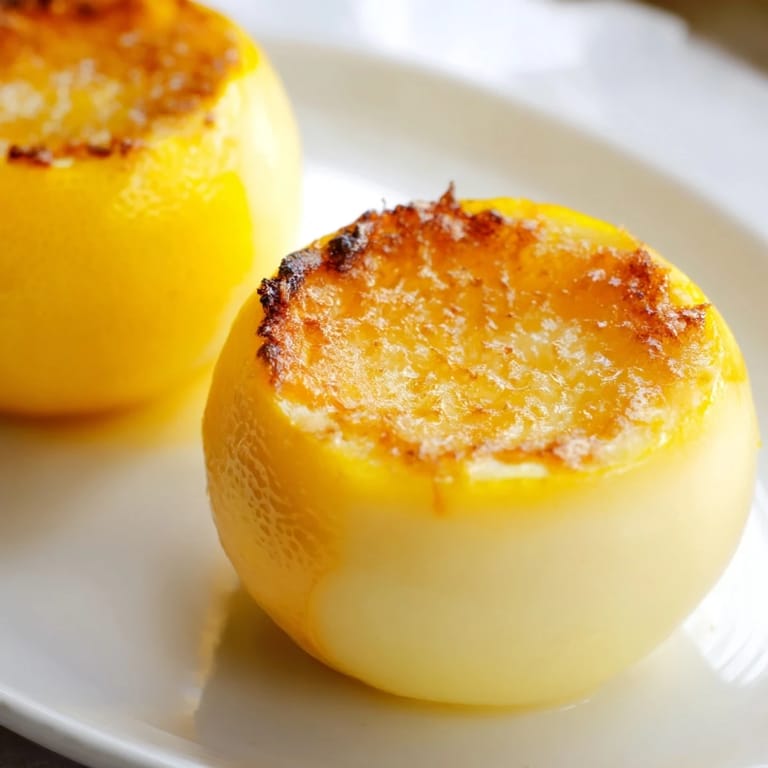
Pin I was served a lemon brûlée posset at a dinner party years ago, and it stopped conversation mid-sentence—not because it was fancy, but because it was impossibly silky, bright, and somehow both indulgent and refreshing all at once. The moment the torch crackled over the caramelized top and shattered under my spoon, I knew I had to figure out how to make it at home. What I discovered was that this isn't difficult at all, just theatrical in the best way.
The first time I made this for guests, I got nervous about whether the posset would set properly, so I kept checking it every twenty minutes like it was going to disappear. By the time everyone arrived, I'd practically memorized the texture. But when I torched those sugar tops at the table—the smell of caramelizing sugar mixing with lemon zest—my friend across the table literally gasped, and suddenly all that kitchen anxiety felt worth it.
Ingredients
- Double cream (500 ml): This is your base, and it needs to be heavy cream—the fat content is what makes the posset silky instead of thin and curdled.
- Caster sugar (140 g plus 6–8 tsp for topping): Fine granules dissolve cleanly and caramelize beautifully; regular sugar works but the texture won't be quite as smooth.
- Lemon zest from 2 lemons: Don't skip this—it's where the flavor lives during the warming, and straining it out later gives you that restaurant-quality clarity.
- Freshly squeezed lemon juice (90 ml): Bottled won't work; fresh juice is what causes that magical thickening when it hits the hot cream.
- 6 large lemons for shells: Pick ones that are relatively even in size and thick-skinned so they don't collapse when you hollow them.
Tired of Takeout? 🥡
Get 10 meals you can make faster than delivery arrives. Seriously.
One email. No spam. Unsubscribe anytime.
Instructions
- Hollow out your lemon vessels:
- Slice your lemons in half lengthwise and scoop out the insides with a melon baller or spoon, keeping the shells as intact as possible. Shave a thin slice off the bottom of each so they don't roll around on the plate—this small move changes everything.
- Heat cream, sugar, and zest together:
- Combine them in a saucepan and bring to a gentle boil, stirring until the sugar dissolves completely. The zest will infuse the cream as it heats; let it simmer for just 3 minutes so the flavor gets in but the cream doesn't break.
- Add the lemon juice and let it work its magic:
- Pour in the fresh juice slowly while stirring. You'll see the mixture thicken slightly—this is the acid reacting with the cream to create that silky texture. It's not curdling; it's exactly what you want.
- Strain for smoothness:
- Push the mixture through a fine mesh strainer to catch the zest pieces. This step takes two minutes but makes it taste refined instead of textured.
- Fill and chill:
- Pour the warm posset into your lemon shells while it's still warm, filling right to the rim. Refrigerate for at least 3 hours until it sets to a luxurious, spoonable texture.
- Brûlée right before serving:
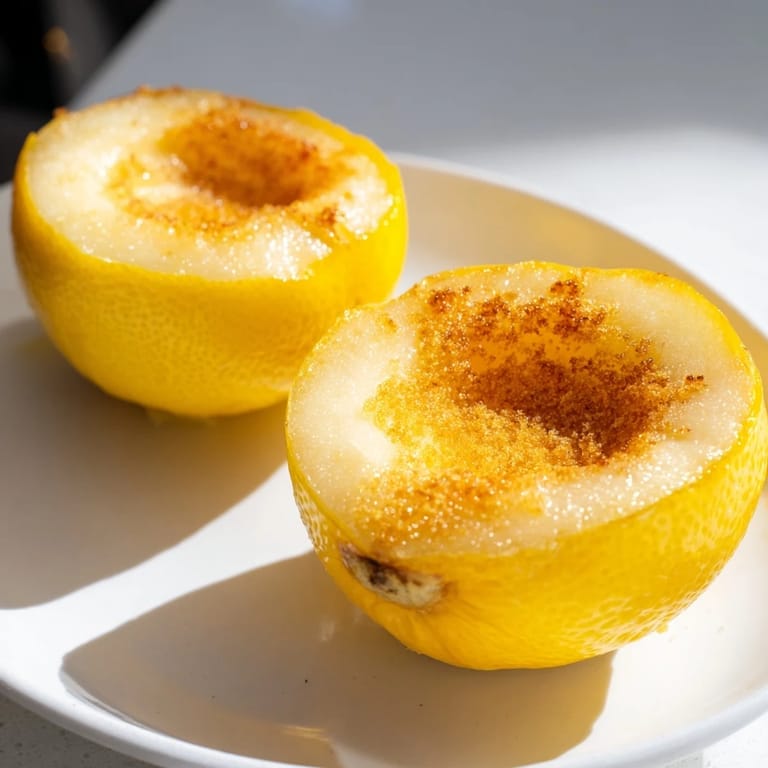
- Sprinkle about a teaspoon of caster sugar over each posset and use a kitchen torch to caramelize it into a thin, crackling top. If you don't have a torch, run it under a very hot broiler for 30 seconds, watching like a hawk so it doesn't burn.
 Pin
Pin There's something quietly special about watching someone break through that caramelized crust with their spoon and taste that bright, velvety filling—it's a small moment, but it feels celebratory every single time.
Why Lemon Shells Matter
Using the lemon shells as serving vessels isn't just pretty; it changes the whole experience. The acidity of the shell subtly flavors each spoonful, and there's something about eating directly from the source that makes the dessert taste more intentional. Plus, your guests will talk about the presentation, which is half the fun of making something this elegant.
Make-Ahead Strategy
You can prepare the posset filling up to a day ahead and keep it in the refrigerator in a covered container, then pour it into the lemon shells a few hours before guests arrive. The only thing you should do at the last moment is the brûlée topping—it takes seconds but tastes infinitely better when done fresh.
Serving Suggestions and Pairings
This dessert stands beautifully on its own, but a thin, crispy almond biscuit or shortbread alongside it adds a textural contrast that feels luxurious. Serve it slightly chilled but not ice-cold, so the flavor of the lemon comes through clearly. If you want to get fancy, a small glass of Prosecco or a light Riesling pairs wonderfully with the bright acidity.
- Crisp shortbread fingers are the classic pairing and actually easier than you'd think to make from scratch.
- A dusting of extra lemon zest over the caramelized top adds visual appeal and a tiny flavor boost.
- Serve on small plates or dessert boards so the lemon shells feel like the centerpiece they truly are.
 Pin
Pin This is the kind of dessert that tastes like you've been cooking all day, when really you just know a simple secret. Make it once and it becomes part of your repertoire forever.
Recipe Questions
- → How do I prepare lemon shells without breaking them?
Carefully halve lemons lengthwise and use a melon baller or spoon to gently scoop out the flesh. Trim the bottom slice of each shell to ensure they stand upright securely for filling.
- → Can I substitute the caster sugar with another type?
Caster sugar dissolves quickly, which is ideal for this dessert. If unavailable, superfine granulated sugar works well as an alternative.
- → What is the best way to achieve a crisp brûlée topping?
Sprinkle caster sugar evenly on top of the chilled cream and use a kitchen blowtorch or a very hot broiler to caramelize sugar until it forms a golden, crispy layer.
- → How long should the lemon posset chill before serving?
Chill the cream-filled lemon shells for at least 3 hours to allow the mixture to set firmly and develop a smooth texture.
- → Can I prepare the posset ahead of time?
Yes, you can make and chill the lemon cream mixture a day before. For best texture, caramelize the sugar topping just before serving.