 Pin
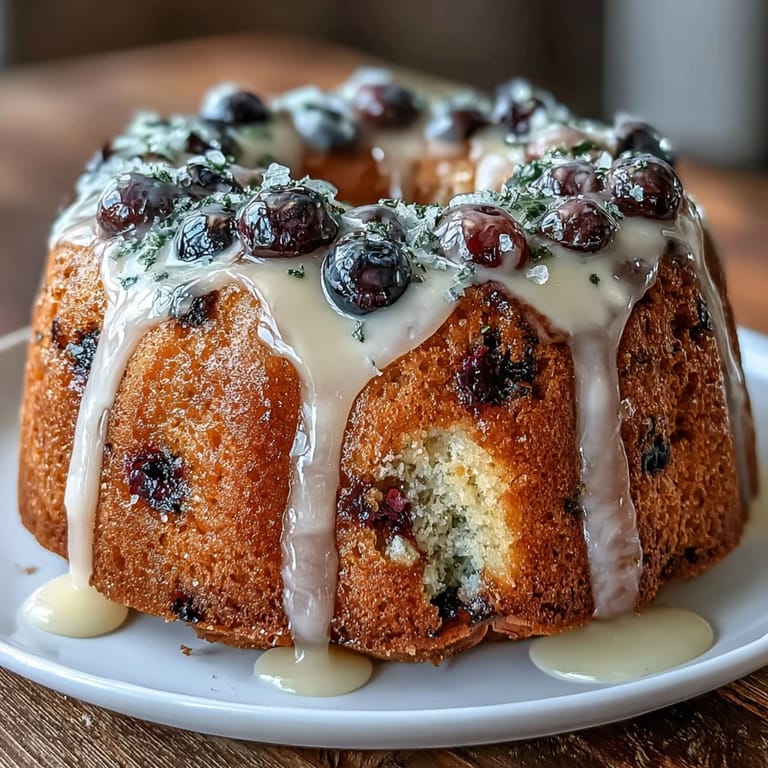
Pin Last spring, I was cleaning out my sourdough starter jar when my neighbor stopped by with a basket of just-picked blueberries from her garden. She mentioned how wasted it felt to discard starter regularly, and something clicked—what if I baked that tangy depth into something pretty? Mini bundt cakes seemed like the obvious answer, elegant enough for her upcoming book club but simple enough that I wouldn't stress. The first batch came out of the oven looking like little golden crowns, and when I drizzled them with lemon glaze, even my skeptical teenage son asked for seconds.
I made these for a small Easter gathering last year, and what I remember most is how the kitchen smelled while they baked—not just sweet cake, but that distinctive sourdough tang mixing with fresh lemon zest. My mom, who usually sticks to plain vanilla cakes, actually stood by the cooling rack waiting to taste one. Those little bundt cakes somehow made the whole afternoon feel more intentional, more thoughtful than if I'd just bought something from a bakery.
Ingredients
- All-purpose flour (2 cups): This is your structure—use fresh flour if you have it, as older flour can absorb more liquid and throw off your cake's texture.
- Baking powder and baking soda (1 tsp and 1/2 tsp): These two work together to give you a tender crumb; don't skip the baking soda, it reacts with the acidic sourdough starter and lemon juice to create lift.
- Unsalted butter and granulated sugar (1/2 cup and 3/4 cup): Creaming these together for a full three minutes gets air into the batter, which is why your cakes will be light and fluffy rather than dense.
- Eggs (2 large, room temperature): Room temperature eggs emulsify more smoothly into the butter mixture, creating a silkier batter that bakes more evenly.
- Sourdough starter (1/2 cup): This is the star ingredient—use either active, bubbly starter or discard from your regular feedings; both work beautifully and add that distinctive tang that makes people lean in for another bite.
- Whole milk (1/2 cup, room temperature): Cold milk can seize the butter, so let it sit on the counter while you prep; it helps the batter come together smoothly.
- Fresh lemon juice and zest (2 tbsp juice, 1 tbsp zest): Don't use bottled lemon juice here—the flavor difference is huge, and fresh zest adds brightness that no extract can match.
- Pure vanilla extract (1 tsp): This rounds out the lemon and sourdough, adding warmth without competing with the citrus.
- Fresh blueberries (1 cup): Fresh berries stay more distinct inside the cake; frozen berries can bleed their color into the batter, which is fine if you like a more marbled look.
- Powdered sugar and fresh lemon juice for glaze (1 cup and 2-3 tbsp): The glaze is your finishing touch—add lemon juice slowly until you get a consistency that drizzles smoothly but still coats the cake.
Tired of Takeout? 🥡
Get 10 meals you can make faster than delivery arrives. Seriously.
One email. No spam. Unsubscribe anytime.
Instructions
- Get your pans ready:
- Preheat the oven to 350°F while you generously grease those mini bundt pans with butter or nonstick spray, making sure to get into all the little ridges. A light flour dusting after greasing helps the cakes release cleanly once they're baked.
- Mix your dry team:
- Whisk the flour, baking powder, baking soda, and salt together in a medium bowl—this distributes the leavening evenly so you don't get surprise pockets of dense cake. Set it aside and don't overthink it; a simple whisk for about 30 seconds is all you need.
- Cream butter and sugar:
- In a large bowl, beat the softened butter and sugar with an electric mixer for three full minutes until it looks pale and fluffy—this is where the magic starts. You're incorporating air that'll make your cakes tender, so resist the urge to rush this step.
- Add your eggs one at a time:
- Beat in each egg individually, scraping down the bowl between additions so everything emulsifies evenly. If the mixture looks slightly broken or curdled after adding eggs, don't worry; it'll come back together when you add the wet ingredients.
- Blend in the sourdough mixture:
- Add the sourdough starter, milk, lemon juice, lemon zest, and vanilla extract and mix until just combined—this is where your batter gets that subtle tang and brightness. You'll smell it now, and it's such a good sign.
- Gently combine dry and wet:
- Add the dry ingredients to the wet mixture in two additions, mixing just until you don't see streaks of flour anymore. Overmixing develops gluten, which makes tough cakes, so stop as soon as everything is incorporated—a few small lumps are fine.
- Fold in the blueberries:
- Toss the blueberries with that tablespoon of flour first, then gently fold them into the batter using a rubber spatula with a few slow, deliberate strokes. This coating helps them stay suspended instead of sinking to the bottom.
- Fill your pans:
- Divide the batter evenly among the eight mini bundt pans, filling each about two-thirds full. The batter will rise slightly as it bakes, so leaving a little headroom prevents overflow.
- Bake until golden:
- Bake for 22 to 25 minutes—you'll know they're done when a toothpick inserted into the center comes out clean or with just a few moist crumbs. The cakes should be golden on top and smell absolutely irresistible.
- Cool with patience:
- Let the cakes sit in the pans for 10 minutes before inverting onto a wire rack—this resting time helps them set slightly so they release cleanly. If you try to turn them out immediately, they'll be too fragile.
- Make your glaze:
- Whisk the powdered sugar with lemon juice until smooth and pourable, adding juice gradually so you can control the consistency. Drizzle it over completely cooled cakes so it sets beautifully rather than melting into warm cake.
 Pin
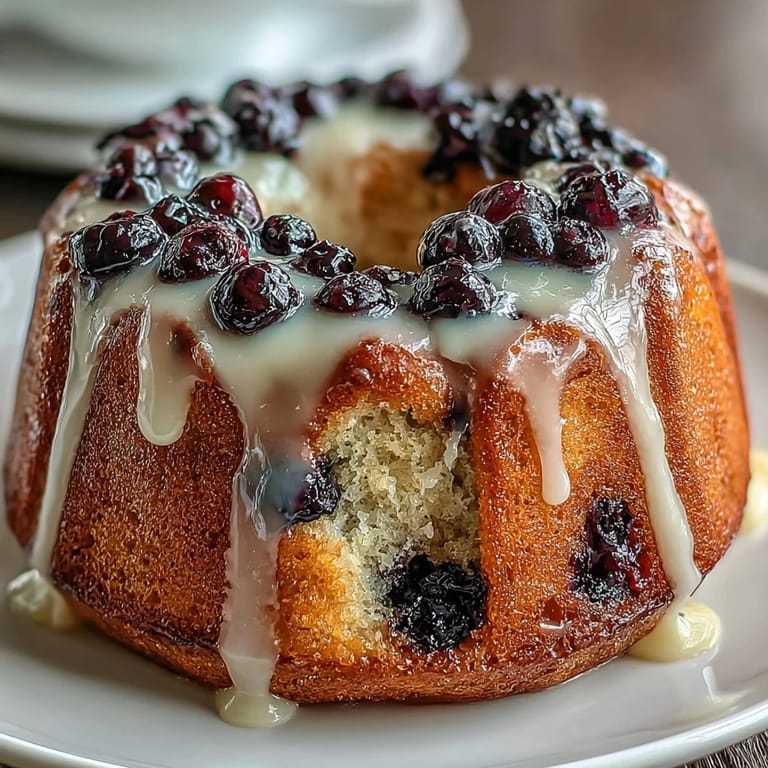
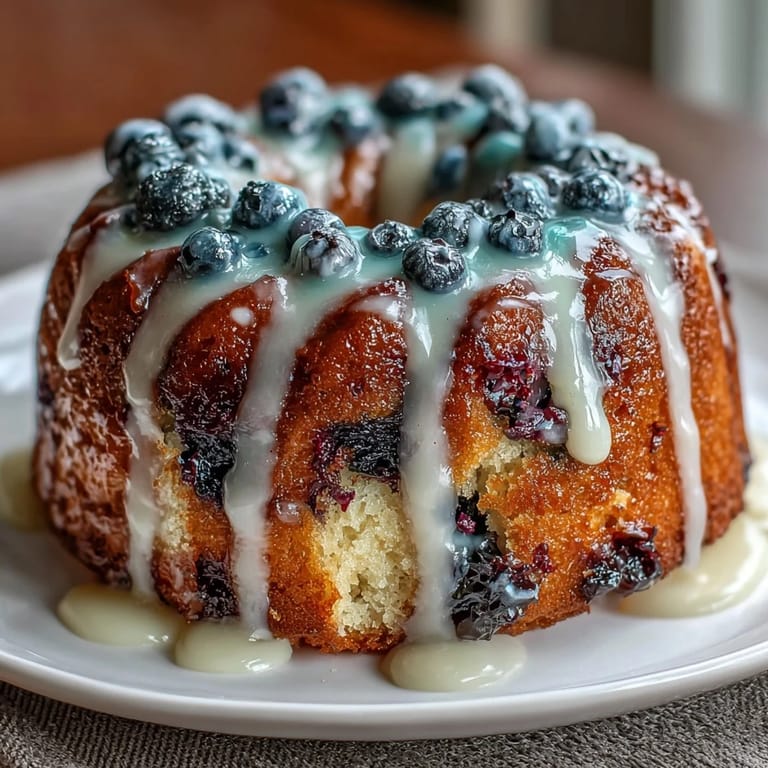
Pin There's a moment when you invert those little cakes onto the rack and see the blueberries perfectly suspended in the golden sponge, and you know you've done something right. My daughter took one photo for her Instagram and got more comments than any of her other dessert posts—people were charmed by them before they'd even tasted one. That's when I realized these weren't just cakes; they were tiny edible gifts that made people smile.
Why Sourdough Makes the Difference
Using sourdough starter instead of buttermilk or yogurt gives these cakes a complexity that people can't quite put their finger on. It's not sour in a bad way—it's more like a subtle background note that makes the lemon brighter and the blueberries taste more themselves. The fermentation also creates a slightly more tender crumb structure because the starter's acids break down the flour differently than any other acidic ingredient would.
The Best Way to Serve Them
These little cakes are stunning on their own with just the lemon glaze, but they absolutely shine when paired with something creamy. A dollop of fresh whipped cream or crème fraîche next to each cake makes them feel like a real tea time treat. I've also served them at room temperature on a pretty cake stand with extra lemon wedges on the side, and people tear into them with both hands like they're the most exciting thing at the table.
Making Them Ahead and Storage
These cakes actually taste better the next day once the flavors have had time to settle and the sourdough's tang becomes more pronounced. I store mine in an airtight container at room temperature for up to three days, or I freeze them without the glaze and add it fresh when I'm ready to serve. If you're baking for an event, you can make them a day ahead, glaze them in the morning, and they'll be ready whenever you need them.
- Unfrosted cakes freeze beautifully for up to two months in an airtight container with parchment between layers.
- Always let frozen cakes come to room temperature before glazing so the lemon coating sets properly.
- If you're feeding a crowd, you can double this recipe and still finish baking within 30 minutes using two ovens or baking in batches.
 Pin
Pin These little cakes have become my go-to when I want to feel like a thoughtful baker without the stress of something more complicated. There's something about serving food from a mini bundt pan that makes ordinary moments feel like celebrations.
Recipe Questions
- → How does sourdough starter affect the batter?
The sourdough starter adds a mild tang and depth to the batter, enhancing flavor complexity and creating a tender crumb.
- → Can I use frozen blueberries?
Yes, frozen blueberries can be used directly without thawing; tossing them in flour helps prevent sinking during baking.
- → What’s the best way to achieve a lemon glaze consistency?
Whisk powdered sugar with fresh lemon juice gradually until smooth and pourable, adjusting juice for desired thickness.
- → How should mini bundts be cooled after baking?
Let them cool in pans for 10 minutes, then invert onto a wire rack to cool completely without moisture buildup.
- → Are there suitable variations for added texture?
Adding chopped nuts like walnuts or pecans can introduce a pleasant crunch and complement the citrus and blueberry flavors.