 Pin
Pin Last summer, I was scrolling through my phone waiting for laundry to finish when I stumbled on a video of someone making crispy tofu fried rice that looked impossibly golden and crunchy. The comments were full of people saying they'd never successfully cooked tofu before, and something about that challenge made me want to try it right then. Turns out, the secret wasn't complicated—just patience, cornstarch, and the willingness to let it sit in the pan long enough to get properly crispy. Now I make it at least twice a month because it's become my go-to way to use up leftover rice and clear out the vegetable drawer.
My friend Sarah came over on a Thursday evening completely stressed about work, and I threw this together while she sat on my kitchen counter talking through her week. By the time the tofu hit that sizzling pan, the whole apartment smelled incredible—ginger and garlic and toasted sesame—and she actually stopped mid-complaint to ask what I was making. We ate it straight out of the wok like it was the best thing we'd ever tasted, and somehow her mood completely shifted. Food doesn't always have to be complicated to feel meaningful.
Ingredients
- Firm tofu (400 g): The key to crispiness is pressing out all the moisture—I use a clean kitchen towel and let it sit under a heavy pot for 15 minutes, which genuinely makes a difference in texture.
- Cornstarch (2 tbsp): This is what creates that golden, crispy exterior that makes people ask if you deep-fried it, so don't skip this step or swap it for flour.
- Vegetable oil (2 tbsp for tofu): Use something neutral with a high smoke point—I prefer avocado oil because it doesn't add any competing flavors.
- Frozen peas and carrots mix (1 cup): I actually prefer this to fresh vegetables here because they're pre-cut and add a nice tender-crisp texture without extra prep work.
- Red bell pepper (1 small): The color matters as much as the flavor—it makes the final dish look vibrant and intentional rather than drab.
- Green onions (3): Separate the white parts (they go in the pan) from the green tops (these are your garnish)—this small step ensures you get the most aromatic flavor at both stages.
- Garlic and ginger (2 cloves and 1 tbsp): Fresh is absolutely essential here because this sauce relies on those bright, punchy flavors to shine, so don't reach for the jarred stuff.
- Day-old rice (4 cups): Cold, slightly dried-out rice is your secret weapon—fresh warm rice turns mushy when you stir-fry it, so plan ahead or use the fridge to your advantage.
- Soy sauce or tamari (3 tbsp): Tamari is genuinely gluten-free and tastes just as good, so I keep it on hand all the time now.
- Toasted sesame oil (1 tbsp): A little goes a long way because it's intensely flavored—dark sesame oil has more character than the lighter version, and that's what you want here.
- Rice vinegar (1 tbsp): This brightens everything up and keeps the dish from tasting too heavy or sweet, so it's actually important even though it seems like a small amount.
- Honey or maple syrup (1 tbsp): The sweetness balances the salt and adds a subtle richness—maple syrup works perfectly if you're going full vegan, and honestly tastes slightly better to my palate.
- Sriracha or chili paste (1 tsp optional): I almost always add this because even a little heat makes everything taste more interesting and sophisticated.
- Sesame seeds (2 tbsp total): Use the toasted kind because they have so much more flavor and visual appeal than raw seeds—the nutty taste is what ties the whole dish together.
Tired of Takeout? 🥡
Get 10 meals you can make faster than delivery arrives. Seriously.
One email. No spam. Unsubscribe anytime.
Instructions
- Press and prep your tofu:
- Drain your tofu and wrap it in a clean kitchen towel, then place something heavy on top (a cast iron pan or thick cutting board works great) and let it sit for 15 minutes—this removes water that would otherwise steam your tofu instead of crisping it. After pressing, cut it into half-inch cubes and pat each piece dry with paper towels to make absolutely sure no moisture is lingering on the surface.
- Coat and get it golden:
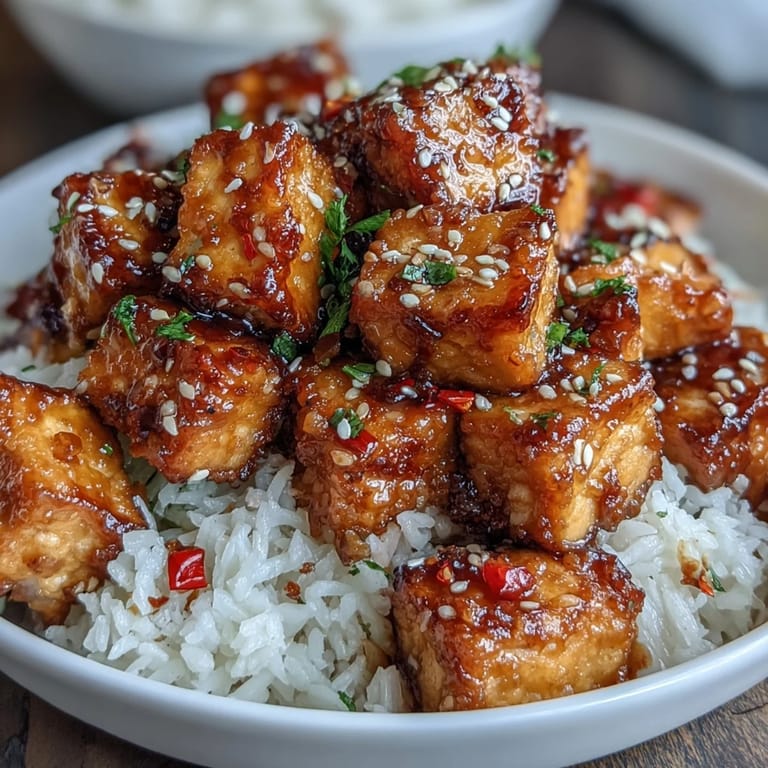
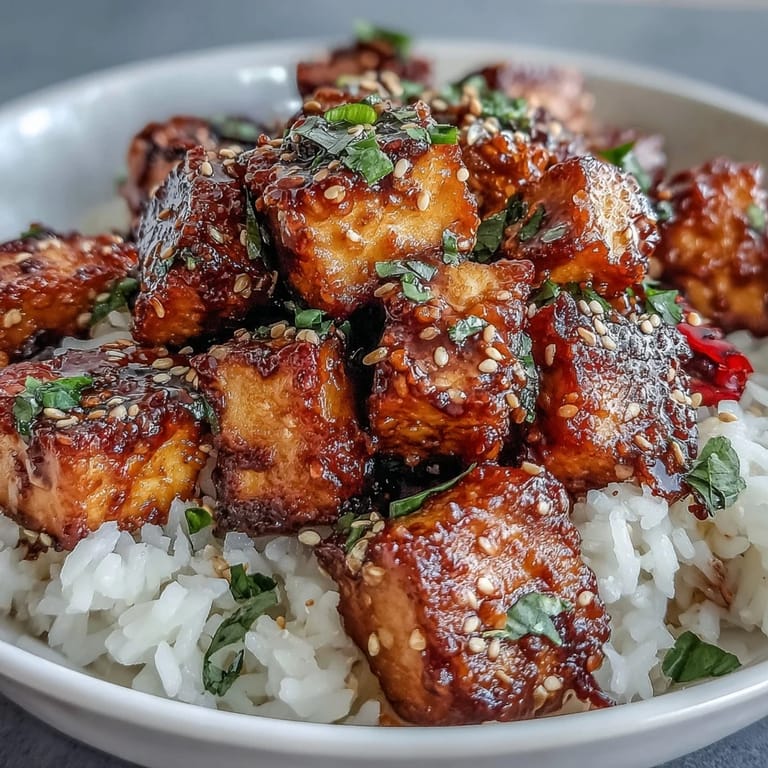
- Toss your tofu cubes with cornstarch and salt in a bowl until every piece is evenly coated—this creates that signature crispy shell. Heat oil in your skillet over medium-high heat until it shimmers, then add the tofu in a single layer and resist the urge to move it around; let each side sit for 2-3 minutes until it's deeply golden before flipping, which takes patience but rewards you with actual crispiness.
- Build your flavor base:
- Add a splash more oil to the same pan and let it get hot, then add your minced garlic, ginger, and the white parts of your green onions—the smell that hits you right now is exactly what you want. Stir constantly for about one minute so nothing burns, then add your bell pepper and the peas and carrot mix, stir-frying for 2-3 minutes until everything is heated through but still has a little bite to it.
- Incorporate your rice:
- Add your cold rice to the pan, breaking up any clumps with the back of your spatula as you go—this takes a couple minutes of steady stirring, and you'll feel the rice gradually warm through and loosen up. Keep cooking for another 3-4 minutes, listening for the occasional crackling sound, which means some of the rice is getting crispy at the bottom (this is desirable, not a mistake).
- Make and pour your sauce:
- While the rice is cooking, whisk together your soy sauce, sesame oil, rice vinegar, honey, sriracha if you're using it, and 1 teaspoon of sesame seeds in a small bowl—the mixture should smell complex and savory-sweet. Pour this over your rice and toss everything together really well so the sauce coats every grain, which only takes about a minute of constant stirring.
- Bring it all together:
- Return your crispy tofu to the pan and gently fold it through the rice so it doesn't break apart—this is where the dish finally comes together and you can taste how all those individual flavors are working in harmony. Taste it and adjust the seasoning if you want—sometimes I add a tiny squeeze of lime juice here if it feels like it needs one more bright note.
- Finish and serve:
- Remove from heat and sprinkle your toasted sesame seeds and reserved green onion tops all over the top, which adds both flavor and visual drama. Serve it hot, and don't be surprised if people ask for the recipe immediately.
 Pin
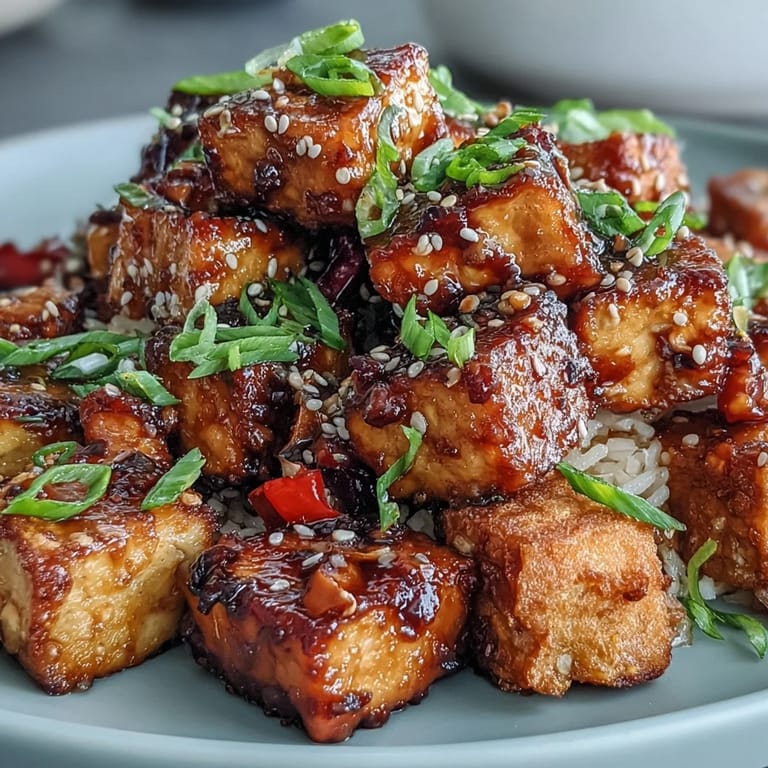
Pin There's something about a dish that comes together this quickly but tastes like you spent all afternoon cooking—it makes you feel capable in the kitchen, which is honestly one of the best feelings. My mom tried this recipe after watching me make it and called me the next day to say she'd made it three times already, which kind of made my week.
Why Cold Rice Is Your Secret Weapon
I used to think day-old rice was just a practical thing, until I realized it's actually a flavor and texture advantage. Cold rice has firmed up and the grains separate more easily when you cook them, which means you get that beautiful slightly-crispy texture instead of everything turning into porridge. Now I deliberately make extra rice the day before whenever I know I'm planning fried rice, or I'll cook rice in the morning and let it chill while I'm at work—it's one of those small strategic moves that makes cooking easier.
The Crispy Tofu Philosophy
Before I figured out the cornstarch trick, I genuinely thought people who made crispy tofu at home were either lying or had some special equipment I didn't have access to. The truth is much simpler: moisture is your enemy, and cornstarch is your friend. Once you understand that the goal is to coat the tofu thoroughly and then give it undisturbed time in a hot pan, everything else feels obvious in retrospect, and you'll start seeing tofu as a reliable, craveable ingredient instead of something you tolerate.
Making It Your Own
The beauty of this recipe is that it's genuinely flexible without losing its identity—the tofu and the sauce are the backbone, but everything else can shift based on what's in your kitchen or your mood that day. I've made it with snap peas instead of the frozen mix, with cashews scattered on top for extra crunch, and even with a little sriracha swapped for gochujang, which completely changes the flavor profile in the best way.
- If you want extra richness, drizzle a tiny bit of chili oil over the top right before serving and watch it transform the whole dish.
- Keeping the sauce components separate until the last moment means you can taste and adjust—maybe you want it spicier, or less sweet, and having that control is genuinely empowering.
- Make extra sauce on the side for anyone who wants more at the table, since people's preferences vary and this way everyone gets exactly what they want.
 Pin
Pin This dish is proof that vegetarian weeknight cooking doesn't require complicated techniques or obscure ingredients. Make it once and you'll find yourself reaching for it again and again.
Recipe Questions
- → How do I achieve crispy tofu in this stir-fry?
Press tofu well to remove excess moisture, then toss in cornstarch before frying in hot oil until golden on all sides for maximum crispiness.
- → Can I use fresh vegetables instead of frozen peas and carrots?
Absolutely! Fresh peas and carrots or other crunchy veggies like broccoli or snap peas work well and add vibrant texture.
- → What type of rice works best for this dish?
Day-old jasmine or long grain rice is ideal as it is drier and fries better without clumping, delivering a crisp texture.
- → How can I make this dish gluten-free?
Use tamari instead of soy sauce and verify all ingredients are certified gluten-free to ensure safety.
- → Is there a way to add more crunch to the tofu?
Double-frying the tofu or cooking it in an air fryer before adding it to the stir-fry can increase crunchiness significantly.