 Pin
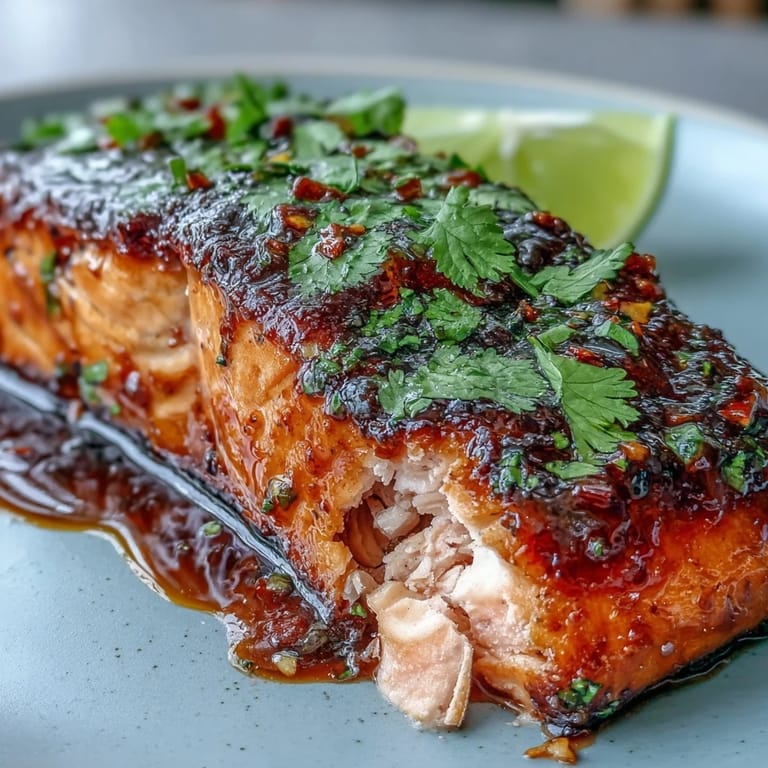
Pin There's something about the smell of garlic and honey hitting a hot oven that makes you feel like you've got everything under control in the kitchen. My neighbor brought over a bottle of local honey one evening, and I was determined to use it on something that wouldn't feel too fussy for a Tuesday night. Salmon seemed like the obvious choice—it's forgiving enough that you won't stress, but elegant enough to feel like you tried. The first time I made this, I nearly forgot the lime juice altogether, but that near-miss taught me why the citrus matters so much: it cuts through the richness and keeps the whole dish from being cloying.
I made this for my sister's birthday dinner last spring, and what I remember most isn't the compliments, but how she went back for seconds and didn't even mention she was being healthy about it. The salmon was flaking perfectly, the glaze had caramelized just enough to catch the light, and I realized then that sometimes the best dishes are the ones that don't announce themselves—they just quietly become the thing everyone remembers.
Ingredients
- Salmon fillets: Six ounces each gives you the perfect balance of flaking quickly without drying out; skin-on or skinless is entirely your call, though skin-on keeps things more forgiving.
- Unsalted butter: Melted butter becomes the silky base that carries all the other flavors, so use good butter if you have it.
- Honey: Not the stuff that's been sitting in your cabinet for three years; fresh honey brings brightness and a subtle floral note that makes the difference.
- Lime juice: Bottled works in a pinch, but fresh lime juice gives you that sharp citrus bite that keeps the glaze from tasting one-dimensional.
- Garlic: Minced fine so it distributes evenly and softens as the salmon bakes, lending gentle warmth rather than harsh bite.
- Salt and pepper: The quiet foundation that makes everything else taste like itself.
- Lime slices and fresh herbs: These finish the dish both visually and with a pop of freshness that keeps it feeling bright.
Tired of Takeout? 🥡
Get 10 meals you can make faster than delivery arrives. Seriously.
One email. No spam. Unsubscribe anytime.
Instructions
- Set your stage:
- Heat the oven to 400°F and line your baking dish with foil—this small step saves you from scrubbing for twenty minutes afterward. Arrange your salmon fillets in the dish like you're giving each one its own little bed.
- Dry the fish:
- Pat the salmon with paper towels until it's truly dry; moisture is the enemy of a good glaze, and wet fish will steam instead of bake. This takes thirty seconds and changes everything.
- Make the magic:
- Whisk together the melted butter, honey, lime juice, minced garlic, salt, and pepper in a small bowl until the mixture is smooth and the garlic is evenly distributed. Taste a tiny bit on your finger—it should make you want more.
- Coat generously:
- Brush or spoon that glaze over each fillet like you're tucking them in, making sure every surface gets kissed with the mixture. Top each one with a couple of lime slices so they nestle right into the glaze.
- Bake with confidence:
- Slide into the oven for 15 to 20 minutes; you'll know it's done when the salmon flakes easily with a fork and the center looks opaque rather than translucent. The internal temperature should hit 145°F if you've got a thermometer handy.
- Finish and serve:
- Pull from the oven, scatter cilantro or parsley over the top, and bring it straight to the table while everything is still warm and the glaze is at its most lustrous.
 Pin
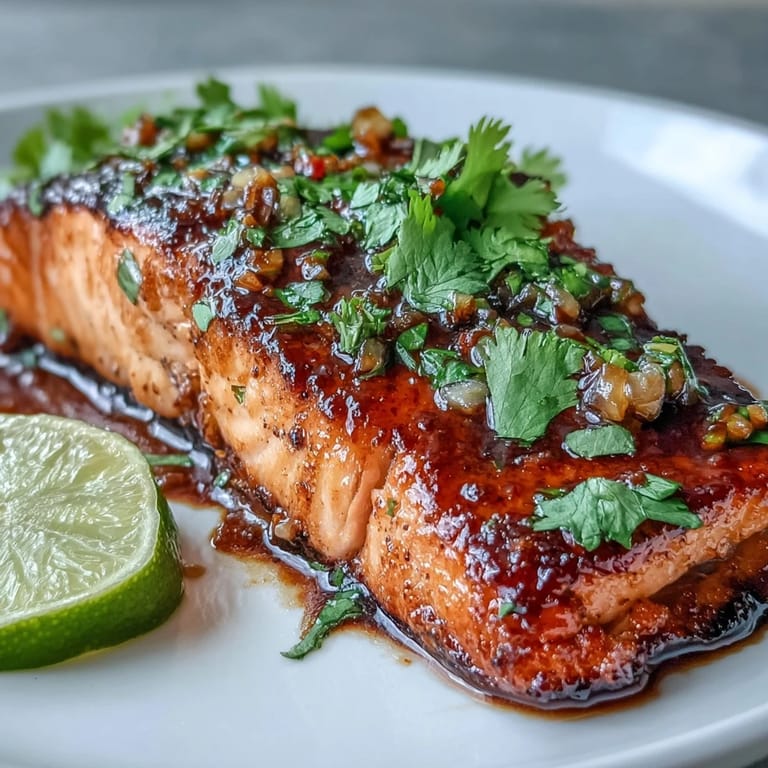
Pin What made this dish special wasn't just that it tasted good, but that it gave me permission to stop overthinking dinner. This is the meal that taught me that restaurant-quality food doesn't require restaurant-level stress.
Variations That Actually Work
Swap the lime for lemon if that's what you have on hand, and the dish becomes a different but equally delicious version of itself. A pinch of cayenne or smoked paprika can nudge things toward subtle heat, while a splash of soy sauce transforms the whole profile into something umami-rich and more Asian-leaning. I've even added a teaspoon of Dijon mustard once, and it gave the glaze a quiet sophistication that lingered on the tongue. The beauty of this recipe is that it's flexible enough to meet you wherever you are, but anchored enough that you can't really mess it up.
What to Serve Alongside
This salmon plays nicely with almost anything on the side because the glaze is the real star and doesn't fight for attention. Steamed broccoli or green beans pick up the citrus notes, while a quinoa or rice pilaf soaks up any glaze that pools on the plate. A simple green salad dressed with nothing more than olive oil and a squeeze of lemon feels light against the richness, and honestly, a buttered baguette to wipe the plate clean is never a bad call. Roasted vegetables like asparagus or brussels sprouts add earthiness, and if you're feeling something warm and starchy, sweet potato works beautifully too.
Storage and Reheating Wisdom
Leftovers keep in the fridge for up to two days in an airtight container, and they're honestly best eaten cold or at room temperature as a poke-bowl situation or flaked into a salad. If you want to reheat, do it gently in a 300°F oven for ten minutes rather than the microwave, which will turn the salmon into a rubbery disappointment. The glaze hardens slightly when cold, which might sound like a flaw but actually makes the flavors feel more concentrated and intentional.
- Always let leftover salmon cool completely before storing to avoid condensation.
- Freeze extras for up to a month, though the texture will be slightly less perfect when thawed.
- Use leftover salmon to top salads, stuff into avocados, or toss into pasta the next day.
 Pin
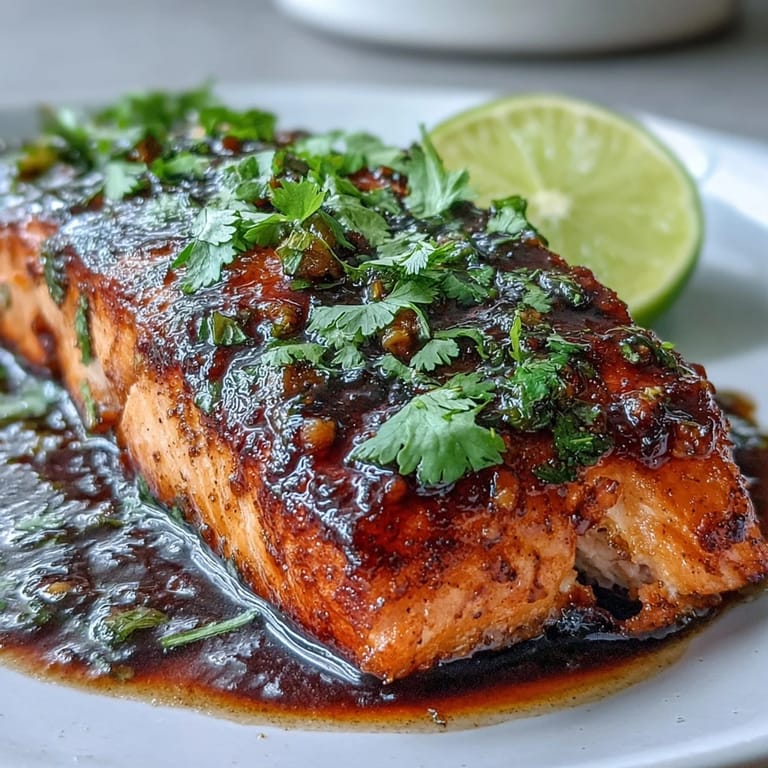
Pin This recipe became a staple on my weeknight rotation not because it's complicated, but because it proves that simple techniques executed with intention taste infinitely better than anything rushed. Make it once, and you'll know exactly why it's worth making again.
Recipe Questions
- → What is the best type of salmon for this dish?
Choose fresh, skin-on or skinless salmon fillets about 6 oz each for optimal flavor and cooking consistency.
- → Can I substitute lime with another citrus?
Yes, lemon juice works well as a substitute, offering a similar tartness that complements the honey and garlic.
- → How can I ensure the salmon stays moist when baking?
Generously coating the salmon with the honey-lime garlic butter glaze and avoiding overcooking helps retain moisture and tenderness.
- → Is broiling recommended for this salmon preparation?
Broiling for 1–2 minutes at the end of baking adds caramelization and a slightly crispy glaze but watch carefully to prevent burning.
- → What side dishes pair well with this salmon?
Steamed vegetables, rice, quinoa, or fresh green salads complement the dish by balancing its rich and vibrant flavors.