 Pin
Pin One Sunday morning, I was standing in my kitchen watching the steam rise from my coffee when I thought about how tired I'd become of the same old breakfast rotation. My friend had just started training for a half-marathon and kept asking if I could make something protein-packed that didn't taste like punishment, so I decided to tinker with bagels—something I'd always loved but rarely made from scratch. The first batch was a disaster: dense, gummy, nothing like the fluffy bagels I remembered from New York. But then I tried adding Greek yogurt to the dough and infusing it with bright lemon, and suddenly everything clicked into place.
I made these for my running club's Saturday morning meetup, nervous because I'd only tested them twice before, and watched people go back for seconds without even asking what was in them. Someone said, "Wait, these are good for you?" and that's when I knew I'd created something special—food that doesn't announce itself as healthy but quietly does the job.
Ingredients
- Bread flour (2 cups): This is your structure; it has enough gluten to create that chew and structure that makes a proper bagel, not a dense hockey puck.
- Vanilla or unflavored whey protein powder (1 cup): The vanilla variety keeps things subtle while adding real protein without a chalky aftertaste—unflavored works too if you want the lemon to be the only star.
- Poppy seeds (2 tbsp): They're not just for show; they add a delicate nuttiness that bridges the gap between the tart lemon and creamy inside.
- Baking powder (1 tbsp): This helps the bagels rise slightly and stay tender, especially important since we're adding protein powder which can tighten crumbs.
- Fine sea salt (1/2 tsp): It balances the sweetness and makes the lemon flavor pop without tasting salty.
- Granulated sugar (1/4 cup): Just enough to complement the lemon without making these taste like dessert bagels.
- Lemon zest from 2 lemons: This is where the magic happens; the oils in the zest are more flavorful than juice alone and distribute throughout the dough evenly.
- Plain Greek yogurt (1 cup): Non-fat or low-fat works best because it keeps the bagels light while adding moisture and that subtle tang that enhances the lemon.
- Eggs (2 large, divided): One goes in the dough for richness, the other mixed with water creates the glossy egg wash that gives you that beautiful golden crust.
- Fresh lemon juice (1 tbsp, plus 2 tbsp for glaze): The acid helps tenderize the dough slightly and adds brightness that stays true all the way through baking.
- Unsalted butter (2 tbsp, melted): This enriches the dough without overpowering the delicate lemon flavor.
- Honey (1 tbsp for boiling water): It helps develop a chewy crust when the bagels boil—a small touch that makes all the difference in texture.
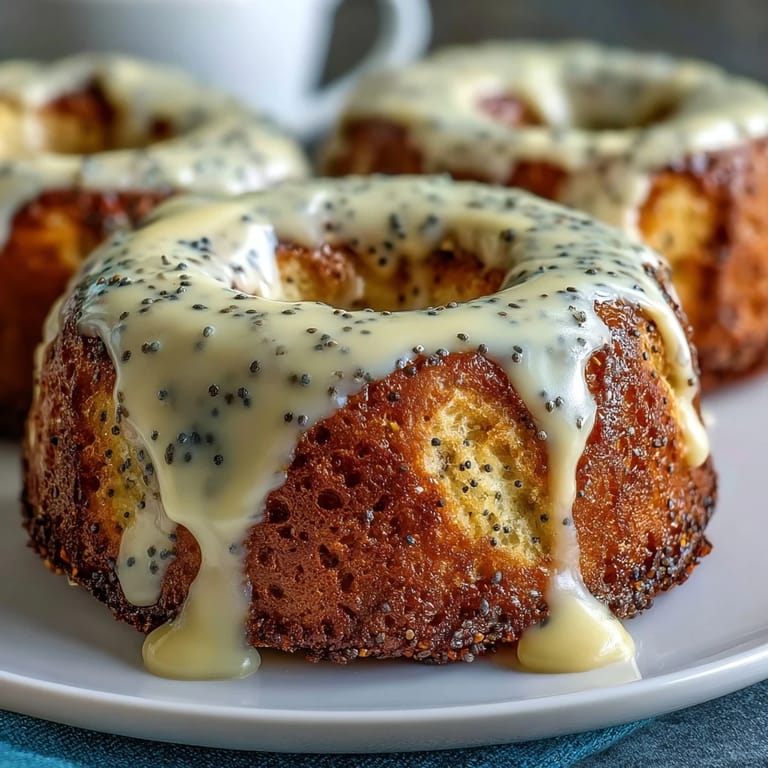
- Powdered sugar (3/4 cup) and lemon zest for glaze: The glaze should feel more like a light kiss than a frosting; this ratio gives you that delicate finish.
Tired of Takeout? 🥡
Get 10 meals you can make faster than delivery arrives. Seriously.
One email. No spam. Unsubscribe anytime.
Instructions
- Set up your space:
- Preheat your oven to 375°F and line your baking sheet with parchment paper so your bagels don't stick and bake evenly from underneath. This small step keeps you from that frustrating moment where everything's perfect but half the batch rips apart when you try to move it.
- Combine the dry team:
- Whisk together the flour, protein powder, poppy seeds, baking powder, salt, sugar, and lemon zest in a large bowl until everything looks evenly distributed—you want the lemon zest spread throughout so every bite has that brightness. Take your time with this step because any clumpy protein powder will create weird dense spots in your final bagels.
- Mix the wet ingredients:
- In a separate bowl, stir together the Greek yogurt, egg, lemon juice, and melted butter until it's smooth and cohesive. The mixture should look creamy and slightly thick, not watery.
- Bring it together:
- Pour the wet mixture into the dry ingredients and mix with a wooden spoon until shaggy, then switch to kneading by hand for about 2 to 4 minutes until you have a soft, slightly tacky dough that holds together. If it feels dry and crumbly, add a tablespoon of yogurt; if it's sticking aggressively to your hands, dust in a bit more flour—you're looking for that goldilocks texture where it's soft but not sloppy.
- Shape your bagels:
- Divide the dough into 8 roughly equal pieces by eye (they don't have to be perfect), roll each into a ball, poke a hole in the center with your thumb, then gently stretch it into a bagel shape with a hole about the size of a quarter. Don't worry if they look a bit rustic; they'll round out as they rest and bake.
- Let them rest:
- Lay your shaped bagels on the parchment-lined sheet, cover loosely with a clean kitchen towel, and let them sit for 15 minutes—this rest time is when they develop structure and become easier to boil without falling apart. You'll notice they'll puff up slightly and feel a little less fragile.
- Prepare the boiling water:
- While the bagels rest, bring 2 quarts of water and 1 tablespoon of honey to a gentle boil in a large pot. The honey adds a subtle sweetness and helps brown the exterior as it boils.
- Boil in batches:
- Reduce the heat to a simmer, then gently drop bagels into the water in batches—don't overcrowd the pot or they'll stick to each other and steam instead of boil. Boil each side for 30 seconds (so about 1 minute total per bagel), then remove with a slotted spoon, let the excess water drip off, and return them to your baking sheet.
- Add the egg wash:
- Once all bagels are boiled and back on the sheet, brush each one generously with the beaten egg wash mixed with a tablespoon of water. This creates that beautiful golden-brown exterior everyone expects from a proper bagel.
- Bake until golden:
- Pop the baking sheet into your preheated 375°F oven and bake for 18 to 22 minutes—they're done when they're deep golden brown on top and a toothpick inserted into the thickest part comes out clean. The kitchen will smell like a lemon orchard mixed with fresh bread, and that's how you know you're close.
- Make the glaze:
- While your bagels cool on a wire rack, whisk together the powdered sugar, 2 tablespoons of fresh lemon juice, and the lemon zest until smooth and pourable but not too thin. If it's too stiff, add a half-teaspoon of water at a time; if it's running off like water, add a bit more powdered sugar.
- Finish with the drizzle:
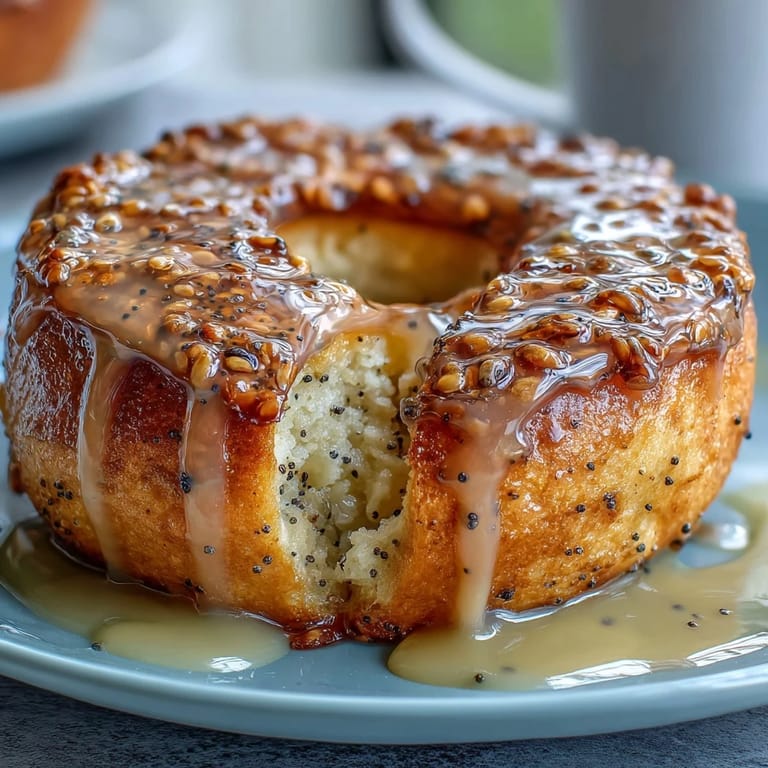
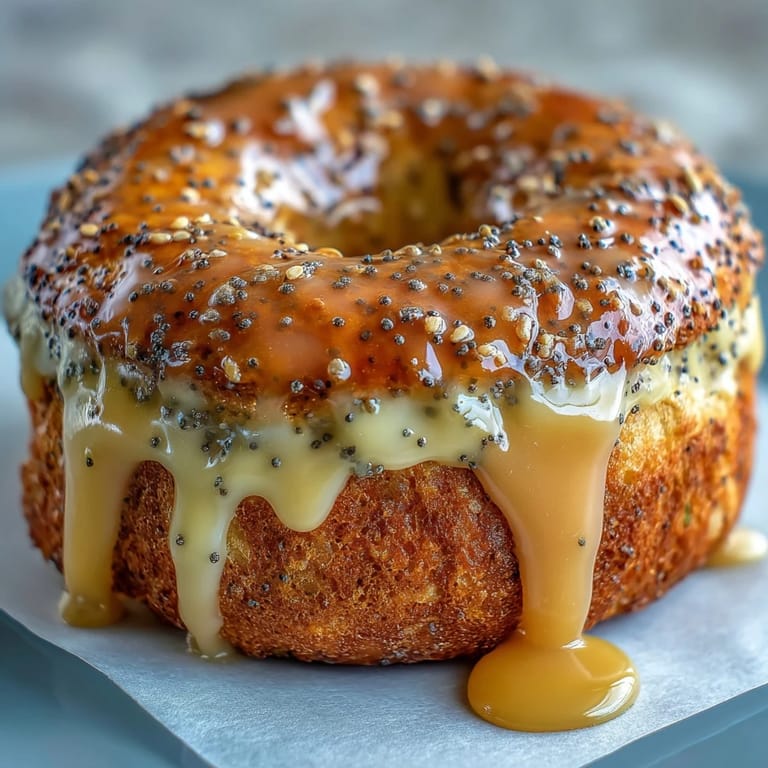
- Once the bagels have cooled to warm (not piping hot or the glaze will run right off), drizzle the glaze over each one and let it set for a few minutes before serving. The glaze should look like a delicate coating, not a thick frosting.
 Pin
Pin My mom tried one of these still warm from the oven with a tiny bit of cream cheese and called me later that day just to say she'd eaten two more without telling anyone. That's when I realized these bagels had crossed over from being a recipe I'd made into something that made people feel taken care of.
Why the Boiling Water Matters
The boiling step is where bagels earn their name and their texture; it sets the crust so that when the bagel hits the oven's dry heat, it expands upward instead of spreading outward, and the exterior becomes chewy rather than crispy. I learned this the hard way by trying to skip it once, and what came out tasted more like a dense sweet roll than a bagel. The honey in the boiling water is a small luxury—it caramelizes slightly on the bagel surface, which is why you see that deep color develop in the oven.
The Protein Powder Secret
Protein powder changes how dough behaves because it absorbs more liquid than regular flour, which is why you need to be flexible with the dough's consistency and might need that extra tablespoon of yogurt. I've tried cheap protein powders that left a bitter, chalky taste, and premium ones that made the bagels taste almost indistinguishable from traditional ones, so the investment in a good vanilla or unflavored powder is worth it. You're replacing a full cup of flour with protein, so this isn't a small adjustment—it's the foundation of why these bagels work.
Storage and Freezing Tips
These bagels stay fresh in an airtight container at room temperature for 3 days, and they freeze beautifully for up to 2 months, which means you can make a double batch on a weekend and have grab-and-go breakfasts ready. I usually freeze them unglazed so I can add the glaze fresh after toasting, which keeps it from getting sticky or weeping. They toast beautifully from frozen—just add a minute or two to the toasting time and you'll have a warm, chewy bagel ready for cream cheese, almond butter, or whatever your morning calls for.
- Slice and toast from frozen for a quick breakfast, or thaw at room temperature for about 30 minutes and eat plain.
- If you do freeze them glazed, let them come to room temperature before unwrapping so condensation doesn't make the glaze run.
- Toasted bagels taste better than fresh ones the second day, so don't throw away yesterday's batch thinking it's past its prime.
 Pin
Pin These lemon poppy seed bagels remind me that sometimes the best food comes from trying to solve a real problem—in this case, wanting something delicious that also fueled my body the way I needed it to. They're proof that healthy eating doesn't have to taste like compromise.
Recipe Questions
- → How do poppy seeds affect the bagel's texture and flavor?
Poppy seeds add a subtle crunch and a nutty flavor, complementing the bright lemon zest for a balanced taste and enhanced texture.
- → What is the purpose of boiling the bagels before baking?
Boiling briefly in honey-infused water creates a chewy crust by setting the dough’s surface and adding a slight sweetness before baking.
- → Can I substitute the whey protein powder with another ingredient?
Yes, plant-based protein powders or additional flour can work, but texture and nutritional content may vary.
- → Why is Greek yogurt included in the dough?
Greek yogurt adds moisture, tenderness, and a mild tang, contributing to the bagels’ soft and fluffy crumb.
- → How should the lemon glaze be applied for best results?
Once the bagels are fully cooled, drizzle the lemon glaze evenly to set a light, sweet topping without melting into the bagel.