 Pin
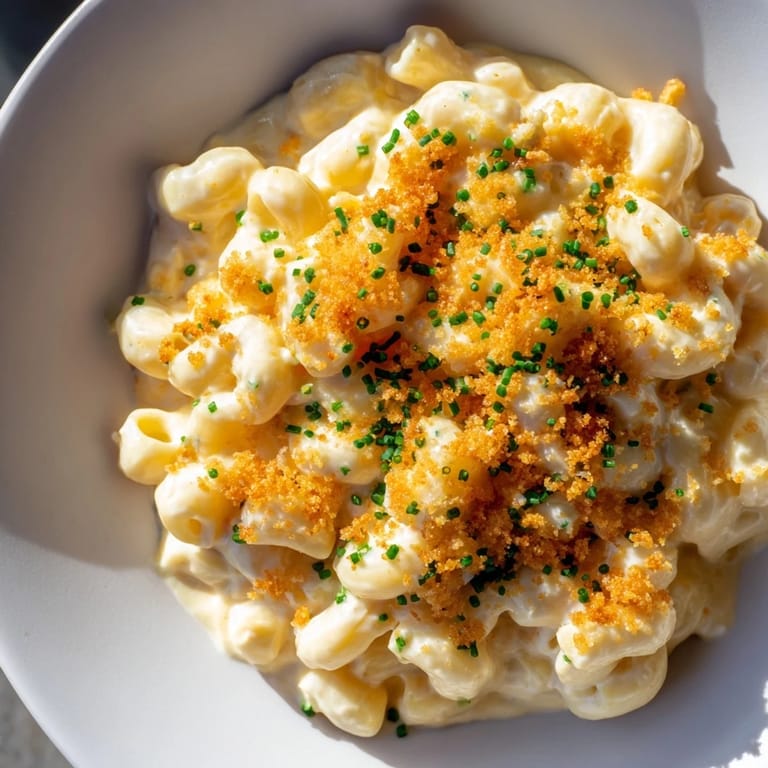
Pin There's something oddly comforting about the moment cottage cheese clicks for you in the kitchen. For years I passed it by at the grocery store, convinced it was only for salads or that one breakfast trend. Then one weeknight, standing in front of my pantry with elbow pasta and a craving for mac and cheese, I grabbed a container almost by accident. What emerged from my blender was pure silk—tangy, rich, and honest in a way that felt like discovering a secret ingredient that had been hiding in plain sight the whole time.
I made this for my sister during one of those stay-in-and-cook dinners we do sometimes, and watching her skepticism turn into genuine appreciation was worth the whole experiment. She came into the kitchen asking what smelled so good, and by the time I'd finished plating, she was already reaching for seconds. That's when I knew the cottage cheese thing wasn't just personal preference—it was actually something worth sharing.
Ingredients
- Elbow macaroni: Use good pasta, not the bargain box—you'll taste the difference, and since the sauce is so pure, there's nowhere for mediocre pasta to hide.
- Low-fat cottage cheese: This is the star, so don't skip it or substitute with regular cheese; the texture becomes something entirely different when you blend it smooth.
- Sharp cheddar cheese: The sharpness cuts through the cottage cheese's tang and prevents the sauce from tasting one-note.
- Parmesan cheese: Adds a savory depth that cottage cheese alone can't provide, even in small amounts.
- Cream cheese: Just a touch keeps the sauce silky and prevents any graininess when you're heating everything together.
- Garlic powder and onion powder: These do the work of fresh aromatics without adding extra moisture or texture to the blended sauce.
- Smoked paprika: Optional, but it adds a whisper of something unexpected that makes people ask what's different about your mac and cheese.
Tired of Takeout? 🥡
Get 10 meals you can make faster than delivery arrives. Seriously.
One email. No spam. Unsubscribe anytime.
Instructions
- Boil your pasta to al dente:
- This matters more than it sounds—overcooked pasta absorbs the sauce unevenly and turns mushy. Taste it a minute before the box says to.
- Blend the cottage cheese mixture until completely smooth:
- Lumps are the enemy here. Blend longer than you think you need to; you're aiming for a texture that looks like heavy cream, not a smoothie.
- Gently warm the sauce with the cheeses:
- Low heat is your friend—high heat can make everything separate or become stringy. Stir constantly and watch for the moment it goes from rough to glossy.
- Combine pasta and sauce with intention:
- Use a spatula or wooden spoon to fold everything together so every piece of pasta gets coated, not just the noodles on top.
- Taste and adjust before serving:
- This sauce is forgiving—a pinch more salt, a grind of pepper, even a tiny bit of lemon juice if it needs brightening.
 Pin
Pin What I didn't expect was how this became the dish I make when I want to feel taken care of, even when I'm the one doing the cooking. There's something about knowing you're eating something genuinely nourishing while also being genuinely delicious that shifts the whole experience.
Why Cottage Cheese Works Here
Most creamy sauces rely on heavy cream or béchamel, which sit heavy in your stomach and taste like that. Cottage cheese gets blended until it's indistinguishable from cream, but it brings actual protein to the party—the kind your body recognizes and uses. Once I understood that, I stopped thinking of this as a compromise version and started seeing it as something better.
Variations Worth Trying
The beauty of this sauce is how well it takes to additions. I've stirred in roasted broccoli on nights when I wanted vegetables, and it transforms into something that doesn't feel like health food at all. Gruyère or Gouda swap in beautifully if you want a nuttier flavor, and the smoked paprika can be replaced with a tiny bit of cayenne if you're in a spicy mood.
Making It Your Own
This recipe is structured enough to be reliable, but loose enough to improvise within. I've added cooked chicken for nights when I wanted extra protein, and stirred in peas for color and sweetness. The sauce holds up beautifully with additions, which means you can make this recipe the same way a hundred times and somehow it's never quite the same twice.
- Add fresh cracked pepper to the top right before serving for a little bite.
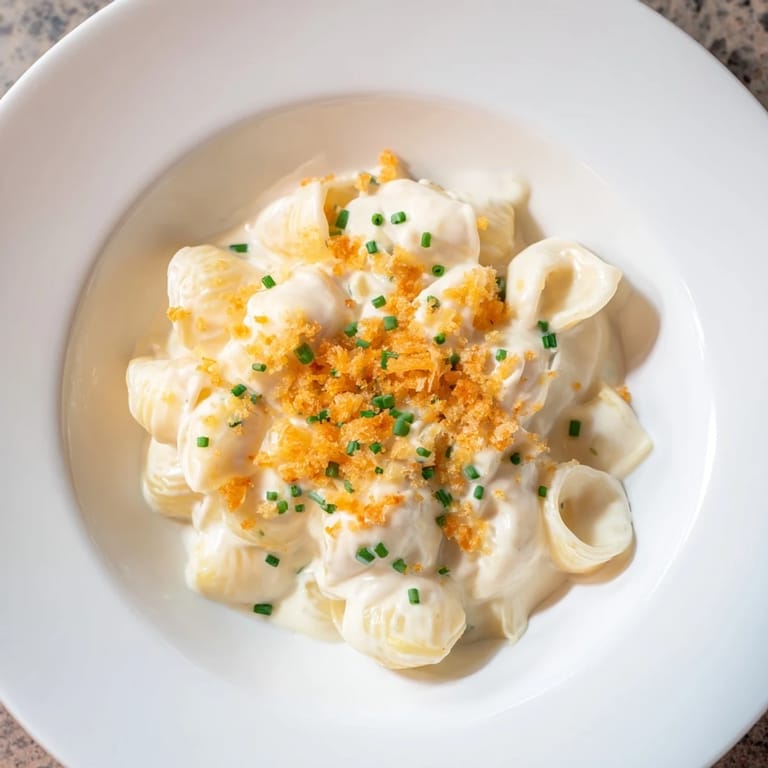
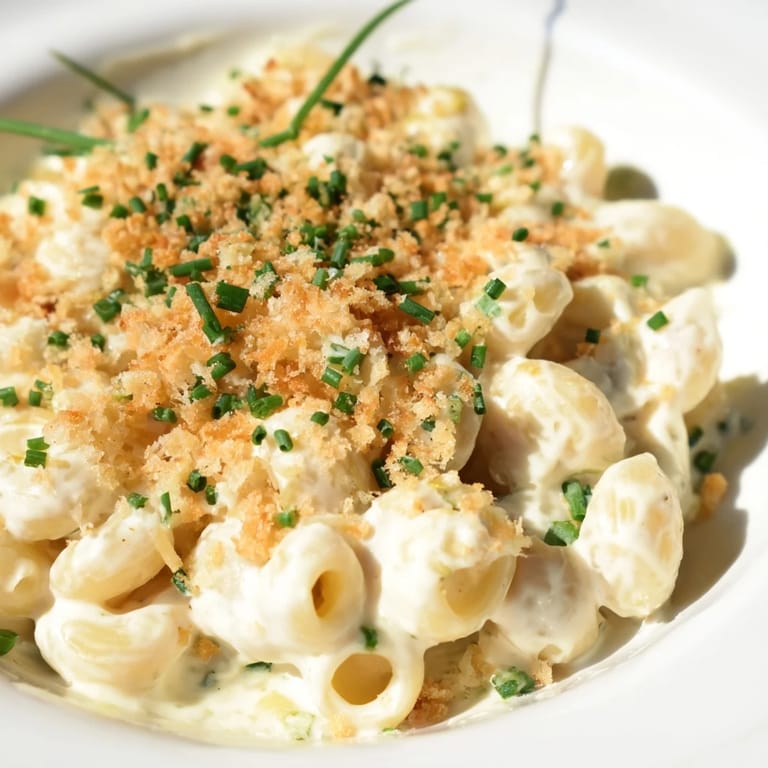
- Toasted breadcrumbs mixed with a bit of butter and fresh herbs add a textural contrast that feels restaurant-quality.
- If you're using gluten-free pasta, just make sure to drain it extra well so the sauce doesn't get watered down.
 Pin
Pin This recipe reminds me that the best food doesn't have to be complicated—it just has to be made with the kind of attention that says you think someone (even if it's just yourself) is worth the effort. That's the whole thing, really.
Recipe Questions
- → How do I achieve a smooth cottage cheese sauce?
Blend the cottage cheese with milk, cream cheese, and seasonings until completely smooth before heating gently to combine with shredded cheeses.
- → Can I use different pasta shapes?
Yes, short pasta like elbow macaroni or similar types work well to hold the creamy sauce evenly.
- → Is this dish suitable for gluten-free diets?
Use certified gluten-free pasta to make a gluten-free version while keeping the sauce the same.
- → How can I add extra protein to the dish?
Stir in cooked chicken pieces or peas for additional protein and texture.
- → What cheeses complement the cottage cheese sauce?
Sharp cheddar and Parmesan provide flavor and creaminess, but Gruyère or Gouda can be used for variations.