 Pin
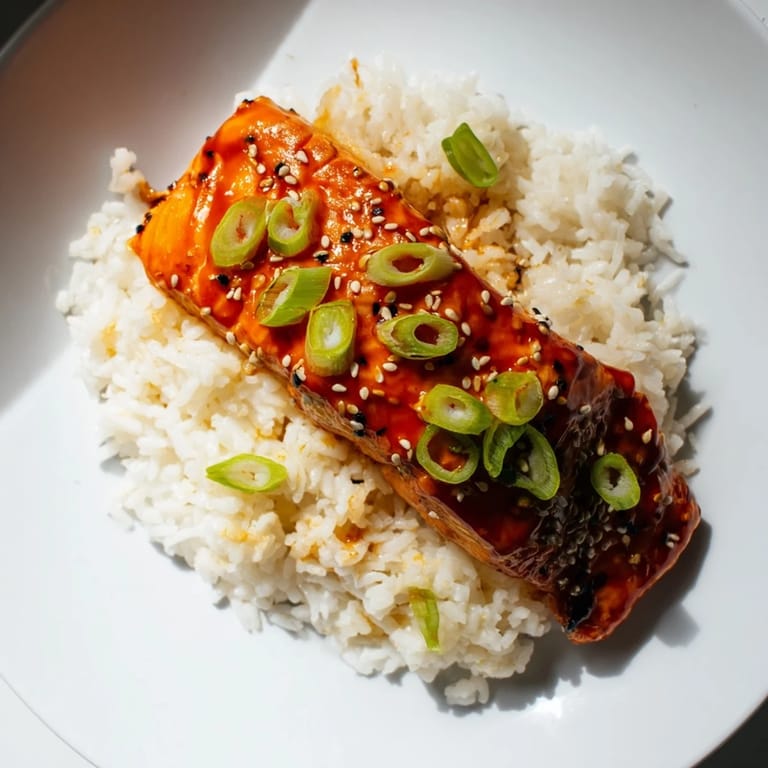
Pin There's this moment when you're standing at the fishmonger's counter and the guy behind it suggests you try something different, and you're not quite sure what he's recommending but you grab it anyway. That's how I ended up with a fillet of salmon and a vague idea about gochujang one Thursday evening. What started as an experiment became the dish I make when I want to feel like I've actually accomplished something in the kitchen without spending the whole night there.
I made this for my partner on a random Tuesday after they'd had the worst day at work, and I remember they took one bite and actually put their fork down for a second like they needed to process what was happening. That's when I knew this wasn't just another salmon recipe.
Ingredients
- Salmon fillets (4, about 150g each): Skin-on is non-negotiable because that's where the crispy magic happens, and the skin protects the delicate flesh underneath from the direct heat.
- Gochujang: This Korean chili paste is the backbone of everything, bringing umami and a gentle heat that doesn't overpower but lingers pleasantly.
- Fresh orange juice (1/4 cup): Freshly squeezed makes a real difference because the acidity cuts through the richness of the salmon and balances the sweetness of the honey.
- Soy sauce (2 tablespoons): Use a good quality one if you have it, because it adds savory depth that ties the whole glaze together.
- Honey (2 tablespoons): This caramelizes beautifully under the broiler and creates that sticky, glossy finish that catches the light.
- Rice vinegar (1 tablespoon): The acidity sharpens everything and keeps the glaze from tasting flat or one-dimensional.
- Fresh ginger (1 teaspoon, grated): A small amount adds warmth and a subtle spice that makes people wonder what you added.
- Garlic clove (1, minced): Just one keeps it subtle and lets the other flavors shine.
- Sesame oil (1 teaspoon): A little goes a long way, so don't overdo it, but it adds a toasted, nutty note that's essential.
- Jasmine rice (1 1/2 cups): Choose jasmine because it stays fluffy and has a delicate fragrance that complements the salmon without competing.
- Water (3 cups) and butter (2 tablespoons): The butter makes the rice taste intentional, not like something you just boiled.
- Salt (1/2 teaspoon for rice): Taste as you go because you might want a hair more depending on the saltiness of your soy sauce.
- Scallions (3, thinly sliced): These add freshness and a gentle onion bite that brightens the whole plate.
- Toasted sesame seeds and orange zest: Optional but genuinely worth hunting down because they add texture and visual pop.
Tired of Takeout? 🥡
Get 10 meals you can make faster than delivery arrives. Seriously.
One email. No spam. Unsubscribe anytime.
Instructions
- Build your glaze:
- In a medium bowl, whisk together the gochujang, orange juice, soy sauce, honey, rice vinegar, ginger, garlic, and sesame oil until you have a smooth, glossy mixture. This is your moment to taste and adjust, so don't skip that step.
- Marinate the salmon:
- Pat your salmon fillets completely dry with paper towels because moisture is the enemy of a good glaze. Lay them in a shallow dish, spoon about two tablespoons of glaze over each fillet, flip them once to coat, and let them sit for ten minutes while you get the rice going.
- Cook the rice:
- Rinse your jasmine rice under cold water until the water runs clear to remove excess starch. In a medium saucepan, combine the rice, three cups of water, butter, and salt, bring it all to a boil over medium-high heat, then drop the heat down to low, cover it, and let it simmer for fifteen minutes without peeking.
- Rest and fluff:
- After the rice has simmered, turn off the heat and let it sit covered for five more minutes to finish steaming gently. Then use a fork to fluff it up gently, which keeps the grains from clumping together.
- Prep for broiling:
- Turn your oven broiler to high and line a baking sheet with foil, then give it a light coating of oil so the salmon won't stick.
- Broil the salmon:
- Arrange your marinated salmon fillets skin-side down on the prepared sheet and brush them with a little more glaze. Broil about five to seven inches from the heat source for six to eight minutes, brushing with extra glaze halfway through, until the top is caramelized and the flesh is cooked through.
- Thicken the remaining glaze:
- While the salmon cooks, pour any remaining glaze into a small saucepan and simmer it over medium heat for two to three minutes until it becomes slightly thicker and more concentrated.
- Plate and serve:
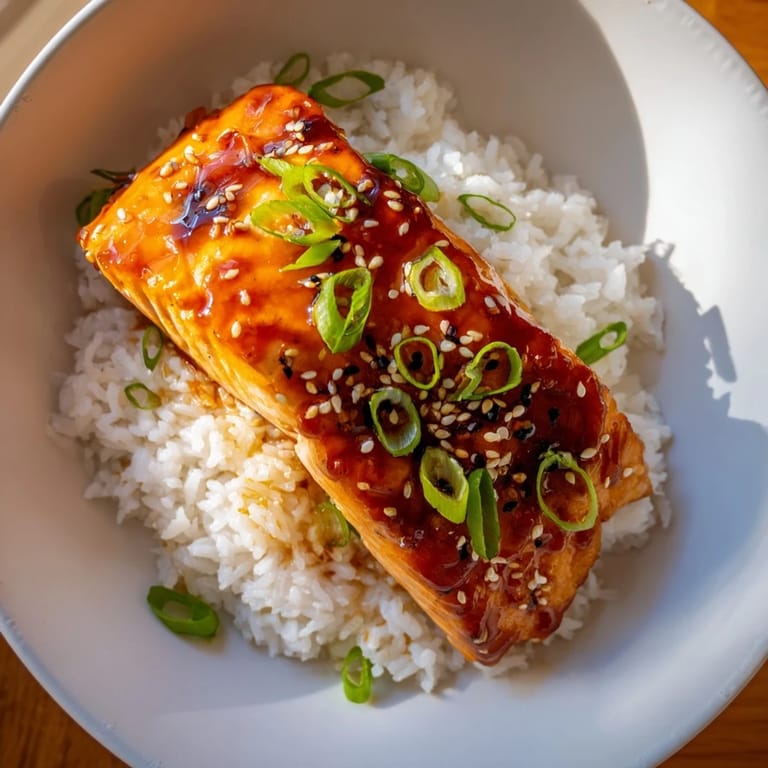
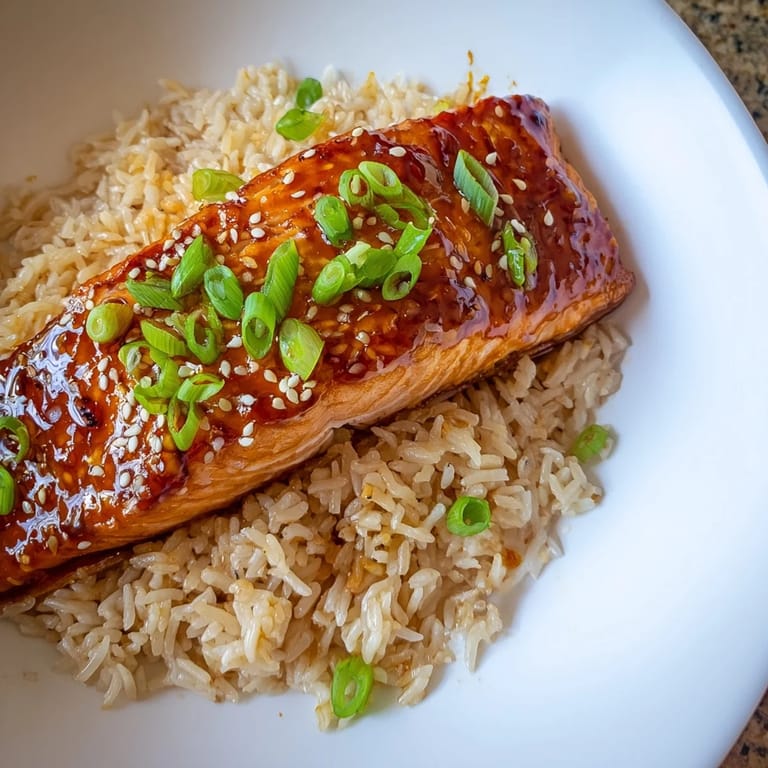
- Divide the fluffy rice among your bowls, top each serving with a glazed salmon fillet, drizzle with the thickened sauce, and scatter scallions, sesame seeds, and orange zest across the top if you have them.
 Pin
Pin I've learned that food is really just an excuse to slow down and pay attention, and this dish does that perfectly. There's something about watching the glaze bubble and caramelize while you're standing there with a kitchen towel over your shoulder that makes you feel like you're actually cooking, not just heating things up.
Why the Glaze Works
The genius of this glaze is how it balances three completely different tastes at once. The gochujang brings savory umami and a whisper of spice, the orange juice and rice vinegar keep everything bright and sharp, and the honey turns everything glossy and caramelized when it hits the heat. It's the kind of thing that makes you realize how different ingredients don't have to fight each other if you treat them with respect.
Rice as Your Anchor
Jasmine rice isn't just what you serve on the side here, it's what makes the whole plate come together. The buttery, delicate flavor of the rice catches all the glaze that drips down from the salmon, so every spoonful feels intentional and complete. If you're feeling experimental, brown rice or quinoa will work, but jasmine gives you this lightness that keeps the meal from feeling heavy even though it's absolutely satisfying.
Timing and Temperature
The salmon wants to be medium, which means the thickest part should be just cooked through with a gentle blush of pink in the center. You'll know it's ready when a fork flakes through it easily and the internal temperature hits fifty-two to fifty-four degrees Celsius. Temperature matters here not because you're being fussy, but because overcooked salmon becomes dry and bitter, which breaks the whole spell.
- If your broiler runs hot, keep the salmon a couple inches further from the element to give it time to cook gently instead of charring.
- Brush with glaze halfway through broiling so you get layers of sticky, caramelized flavor instead of just one coat.
- Let the thickened glaze cool for thirty seconds before serving so it doesn't slide right off the rice onto the plate.
 Pin
Pin This dish has quietly become the thing I make when I want to feel grounded and competent in my own kitchen. It's simple enough that you're not stressed the entire time, but intentional enough that people actually notice the care you took.
Recipe Questions
- → What is gochujang and how does it affect the dish?
Gochujang is a Korean chili paste that adds a spicy, savory depth with a slight sweetness, enhancing the orange glaze's complexity and balance.
- → Can I substitute jasmine rice with other grains?
Yes, brown rice or quinoa can be used for a nuttier flavor and added nutrition, though cooking times and water ratios may vary.
- → How do I make sure the salmon stays moist when broiling?
Marinate the salmon to infuse moisture and glaze it during cooking to keep the surface sticky and tender without drying out.
- → What is the purpose of simmering the remaining glaze?
Simmering thickens the glaze into a sauce that can be drizzled over the finished salmon and rice, intensifying flavors and adding moisture.
- → Can I add extra heat to the dish?
Yes, adding chili flakes to the glaze brings an extra kick, complementing the sweetness of the orange and richness of the salmon.
- → What garnishes best complement this meal?
Fresh scallions, toasted sesame seeds, and orange zest add contrasting textures and bright flavors to enhance the dish's appeal.