 Pin
Pin The first time I made this, I wasn't following a recipe at all—I had leftover yogurt, some pasta, and was too tired to make anything complicated. I melted butter with paprika, stirred in garlicky yogurt, and tossed it with warm pasta. The kitchen filled with this incredible savory-tangy aroma, and suddenly what was supposed to be a quick weeknight fix became something I found myself craving. That accidental bowl taught me that sometimes the best dishes come from working with what you have on hand and trusting your instincts.
I made this for my neighbors last spring when they dropped by unannounced. I remember standing in my kitchen thinking I had nothing fancy to offer, then remembered a jar of Turkish yogurt sitting in the back of the fridge. Twenty minutes later, we were all sitting around their kitchen table with steaming bowls, and they kept asking what restaurant I'd ordered from. That moment made me realize how a simple dish made with care can feel luxurious to someone.
Ingredients
- Dried pasta (fusilli or penne): The shapes matter here—their ridges and spirals catch the yogurt sauce perfectly, so don't substitute with flat noodles or you'll lose half the creaminess with each bite.
- Plain full-fat Turkish or Greek yogurt: The fat is what makes this sauce silky, so don't reach for the low-fat versions; they'll turn thin and watery when heated.
- Garlic: Mince it fine so it distributes evenly through the yogurt without any aggressive chunks.
- Unsalted butter: This is your base for the spiced topping, and using unsalted lets you control the salt yourself.
- Olive oil: It helps the butter emulsify and keeps the spices from burning when they hit the heat.
- Sweet paprika: This is the soul of the dish—it adds warmth and color without overwhelming heat.
- Aleppo pepper or red pepper flakes: Start with less than you think you need; these add complexity but can quickly become sharp if you overshoot.
- Dried mint: Optional but worth hunting down—it's what makes this taste authentically Turkish rather than just creamy pasta.
- Fresh dill or parsley: The green finish brightens everything and gives your bowl a restaurant-quality look.
Tired of Takeout? 🥡
Get 10 meals you can make faster than delivery arrives. Seriously.
One email. No spam. Unsubscribe anytime.
Instructions
- Cook the pasta generously:
- Boil a large pot of salted water until it tastes like the sea, then add your pasta and cook to al dente—this is the moment where timing matters. Set aside 2 tablespoons of that starchy water before draining; it's liquid gold for adjusting your sauce later.
- Build the yogurt sauce:
- Whisk yogurt, minced garlic, and salt in a bowl until smooth, then loosen it with reserved pasta water if it looks too thick. The consistency should pour slowly but still coat a spoon—you're aiming for thick cream, not soup.
- Infuse the spiced butter:
- Melt butter and olive oil together over medium heat, then add your spices and let them bloom for about a minute until the kitchen smells like a Turkish spice market. Watch carefully so nothing scorches—you want the butter foamy and fragrant, not brown.
- Bring everything together:
- Toss warm pasta with the yogurt sauce in a large bowl, working quickly so the heat warms the sauce without curdling it. If it looks too thick, add another splash of pasta water.
- Plate and drizzle:
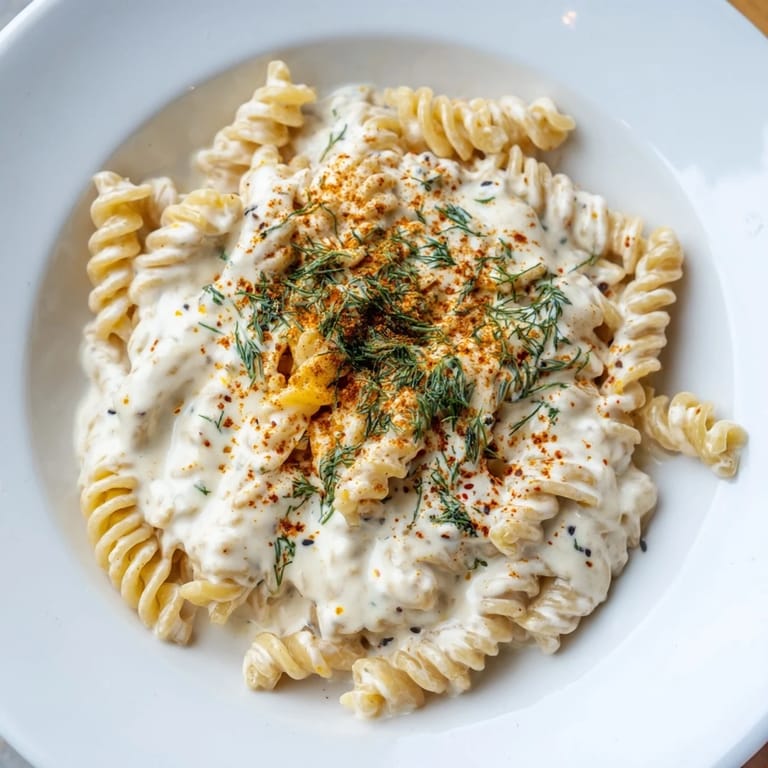
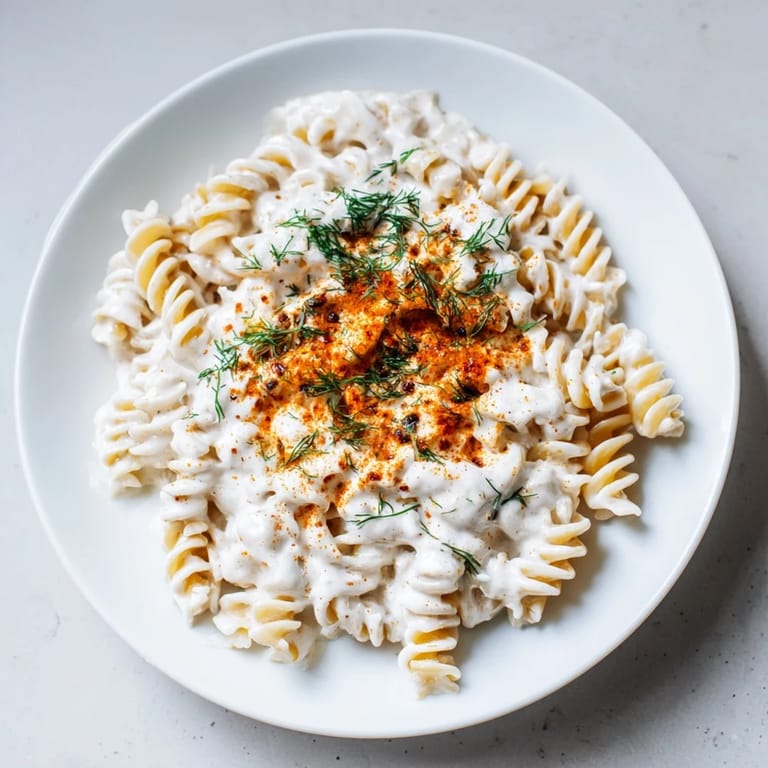
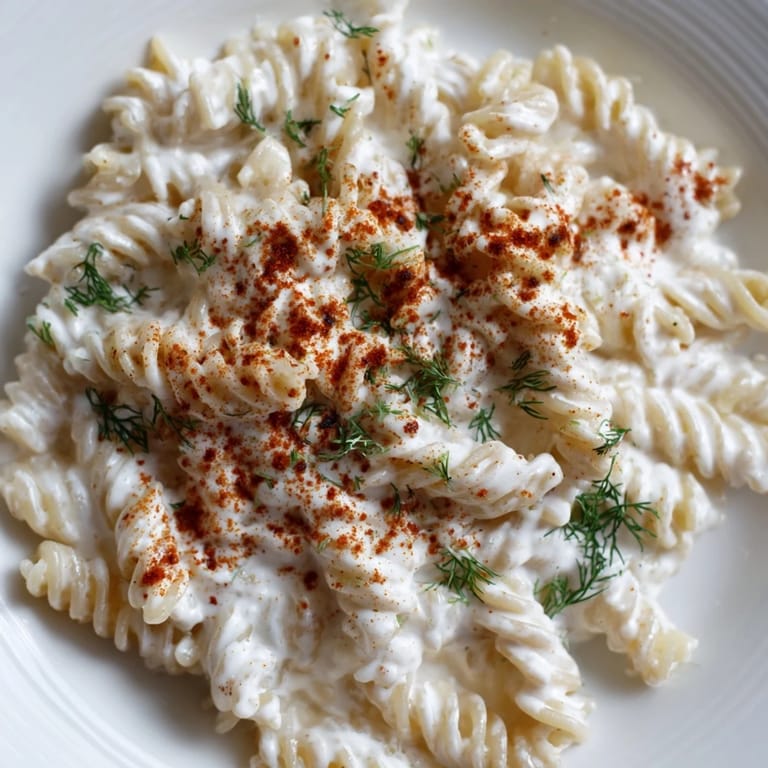
- Divide pasta among bowls and pour that amber-colored spiced butter generously over the top, making sure every bite gets some of the crispy, fragrant bits. Garnish with fresh herbs and serve immediately while everything is still warm.
 Pin
Pin There was an evening when my daughter brought home a friend who said they didn't eat much—turned out they were picky about dairy and spice. I made this anyway, letting them control how much butter to drizzle, and they came back for seconds. That's when I understood that this dish isn't just about comfort; it's about giving people permission to make it their own way.
Why Turkish Yogurt Matters
Turkish and Greek yogurts are thicker and richer than regular yogurt because they've been strained, which means they have more fat and protein. When you heat regular yogurt gently with pasta water, it stays creamy instead of breaking into watery curds. The thickness also means the sauce clings to the pasta instead of sliding off, so you get that luxurious coating with every bite.
The Spice Balance
This dish is built on the idea that spice shouldn't be about heat—it's about depth and aroma. The sweet paprika gives it color and warmth, the Aleppo pepper adds a subtle fruity note if you can find it, and the dried mint ties everything back to its Turkish roots. If you've never cooked with Aleppo pepper before, start with half the amount and taste as you go; every brand has different intensity.
Making It Yours
This is one of those recipes that welcomes improvisation once you understand the structure. I've made it with leftover roasted vegetables stirred into the yogurt, with crispy chickpeas scattered on top, and once with a handful of toasted pine nuts that added the most incredible texture. The base stays the same, but the variations keep it feeling fresh.
- Toast your pine nuts in a dry pan for 2 minutes before sprinkling them on top so they wake up and turn golden.
- If you have time, make a quick salad of thinly sliced cucumber and red onion with a splash of vinegar to serve alongside for brightness.
- Serve with crusty bread to soak up every last drop of that spiced butter—nobody leaves any behind.
 Pin
Pin This dish reminds me that the best meals don't require fancy ingredients or complicated techniques—they just need good quality basics treated with respect and a willingness to taste as you go. It's become my answer to the question, 'What can you make in 25 minutes that feels special?'